Main Menu
Choosing max motion motors is not just a matter of matching horsepower to a machine. The right choice affects energy use, operating temperature, noise, and maintenance intervals. Small mismatches can show up as a motor that runs hot beside a dusty conveyor, or struggles whenever a pump starts under load.
The International Energy Agency’s 2011 report, Energy-Efficiency Policy Opportunities for Electric Motor-Driven Systems, estimates that these systems use about 45% of global electricity. That figure makes selection worth careful attention. Energy-efficiency expert Amory Lovins captured the wider value of efficiency: “Energy efficiency is not just a free lunch; it is a lunch you are paid to eat.” A motor’s purchase price matters, but so do its duty cycle, control method, and lifetime energy costs.
There is no single best motor for every installation. A variable-speed fan, a frequently started compressor, and a steady-duty production line place different demands on equipment. Even a nameplate detail can change the decision. This guide offers seven practical tips for comparing max motion motors, from load and speed requirements to enclosure, efficiency, and service support. Use them as a checklist, not a substitute for reviewing the actual application. Real conditions can be messier than a specification sheet suggests.
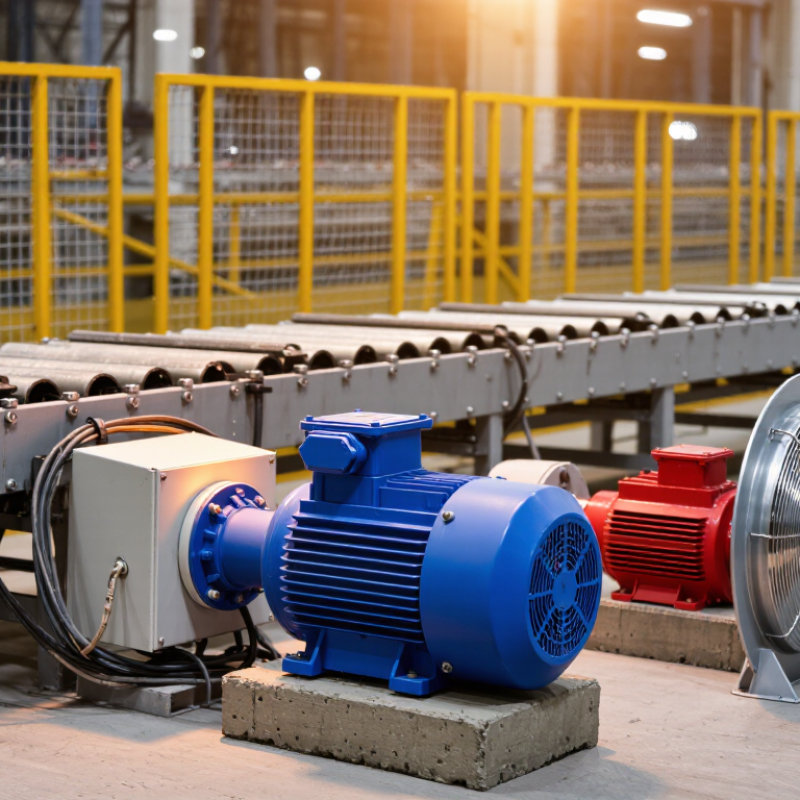
Before choosing a motor, define what the machine must move, how fast, and for how long. Record load, torque, speed range, acceleration, duty cycle, and acceptable positioning error. Be specific. A conveyor carrying wet produce needs a different motion profile from a fan running at steady speed. Measure the actual load where possible; estimates often miss startup peaks. A field reading is better than a tidy spreadsheet guess.
The International Energy Agency’s 2011 report, Energy-Efficiency Policy Opportunities for Electric Motor-Driven Systems, estimates that motor-driven systems use about 46% of global electricity. This is a system-wide figure, not a forecast of savings from one motor. The U.S. Department of Energy’s 2014 motor-system assessment reports that motors account for about 68% of U.S. manufacturing electricity use. These figures show why matching output to real demand matters.
Map the operating environment, too. Check ambient temperature, dust, washdown exposure, vibration, altitude, supply voltage, and available cooling. Then note starts per hour and expected daily runtime. An enclosure suitable for a clean, cool room may fail near a hot, damp process line. Do not size from peak load alone. Compare continuous torque with actual running needs, and verify that the motor can handle brief overloads without overheating.
This illustrative load profile shows how required torque can vary with speed. When selecting a motor, compare its torque–speed curve with the full load profile, and account for acceleration, peak torque, duty cycle, supply voltage, and ambient temperature.
Choosing a motor starts with the movement the machine must perform. AC induction motors suit many steady, continuous loads, while brushless DC motors offer efficient speed control. Stepper motors can position predictably at lower speeds; servo systems suit applications needing feedback and precise motion. The labels alone are not enough. Check the controller, environment, and required duty cycle too.
Torque turns a load; speed determines how quickly it moves. A conveyor carrying boxes may need strong starting torque, even if its running speed is modest. Compare the motor’s torque curve with the load across the full operating range, not just at one rated point. Power connects torque and speed, but a high power rating does not guarantee adequate starting performance. Check peak and continuous ratings separately.
Leave a margin. But not an arbitrary one. Estimate load inertia, friction, acceleration, and expected operating hours, then confirm the motor can handle heat buildup. A spreadsheet can miss a sticky bearing or frequent starts. That happens. Prototype under realistic conditions, measure current and temperature, and listen for vibration. If the motor runs hot or struggles during startup, revisit the sizing assumptions before choosing a larger unit.
Before choosing a motor, confirm that its electrical requirements match the control system. Check supply voltage, continuous and peak current, and whether the controller supports the motor’s feedback device. A connector that fits does not prove the signals are compatible. Compare wiring diagrams and parameter limits, and leave room for startup current. Small mismatches matter.
Mounting details deserve the same attention. Measure the bolt pattern, pilot diameter, shaft size, and available clearance; even a few millimeters can prevent a clean installation. Check the coupling and driven load, too. A motor may fit the frame but still place excessive side force on its shaft. In practice, alignment is easy to underestimate, especially when guards or brackets restrict access. Recheck measurements before ordering.
Then match the motor to the equipment’s actual work. Note the load, speed range, operating hours, starts per hour, and expected stopping frequency. A conveyor that runs steadily has different needs from an indexer that accelerates and stops repeatedly. Review duty ratings, heat limits, and the installation environment against the equipment specifications. If details are missing, ask the equipment supplier or a qualified technician to verify them. Guessing can seem faster, but it may create avoidable fit or control problems later.
7 Tips for Choosing Motors
Evaluate Build Quality, Efficiency, and Manufacturer Support
A motor’s rating plate tells only part of the story. Check the enclosure, shaft finish, seals, and terminal box for signs of durable construction. Look for clear test records, not just efficiency claims. Ask for the test conditions. A result without load, temperature, and voltage details is hard to compare.
Efficiency matters over years of operation. The U.S. Department of Energy’s 2014 motor-systems sourcebook estimates that motors use about 68% of the electricity consumed by U.S. manufacturing. That figure covers a broad industrial category, not every facility, but it shows why small efficiency differences deserve attention. Compare efficiency at your expected load, then check whether the motor will run near that range. Oversizing can waste energy. Still, a clean-looking housing can fool you; inspect bearings, cooling paths, and vibration records where available.
Manufacturer support is part of the purchase, too. Ask how quickly technical questions are answered, whether spare parts are stocked, and how warranty claims are handled. Request installation and maintenance guidance in writing. Small details matter. A support promise is less useful if nobody can explain the service process. I would also verify repair access before ordering; it is easy to overlook until a motor fails during a busy shift.
| Tip | What to Evaluate | Useful Evidence | Decision Check |
|---|---|---|---|
| 1. Match the motor to the application | Required torque, speed range, acceleration, load inertia, and operating duty. | A motor curve or specification sheet showing continuous and peak torque, rated speed, and duty information. | Confirm the motor can meet the real operating profile, not just the peak-load requirement. |
| 2. Verify electrical compatibility | Rated voltage, phase, frequency, current, drive compatibility, and connection requirements. | Nameplate data, wiring diagrams, and documented compatibility with the intended controller or variable-speed drive. | Check that the available power supply and control equipment match the motor ratings. |
| 3. Inspect build quality | Housing rigidity, shaft and bearing arrangement, insulation system, seals, and finish quality. | A detailed construction specification, inspection records, and clear information about materials and bearing design. | Look for construction suited to the load, environment, and expected maintenance conditions. |
| 4. Compare efficiency at relevant loads | Rated efficiency, expected operating load, and energy use over the motor’s typical duty cycle. | Published efficiency data and test information using applicable standards for the motor type and region. | Compare models under similar rating and test conditions; efficiency can vary with load and operating conditions. |
| 5. Check thermal and environmental suitability | Cooling method, temperature limits, enclosure protection, ambient conditions, and exposure to dust or moisture. | Documented insulation and temperature ratings, enclosure rating, and installation guidance. | Choose ratings appropriate to the actual installation; an enclosure rating does not by itself guarantee suitability for every environment. |
| 6. Assess maintenance and serviceability | Bearing service requirements, access to wear parts, repair options, and availability of technical documentation. | Maintenance instructions, parts lists, repair procedures, and a clear recommended inspection schedule. | Estimate the time and resources needed for routine service and likely repairs. |
| 7. Verify manufacturer support | Warranty terms, technical response process, spare-parts access, product documentation, and service coverage. | Written warranty conditions, support contact details, documentation availability, and confirmed parts lead times. | Confirm support commitments in writing before purchase, especially for critical equipment. |
A low motor price can look attractive until installation costs appear. Compare the full quote, including mounting hardware, controls, wiring, freight, and any required setup. Ask whether taxes and commissioning are included. A small line item can change the final bill. That matters.
Check availability before planning a replacement or production run. Ask whether the exact model is in stock, when it can ship, and whether compatible alternatives are available. Confirm lead times in writing, especially if a project depends on a specific shaft size or voltage. “Available” may mean factory stock, not local stock, so clarify the difference.
Read the warranty terms, not just the headline duration. Look for coverage of parts and labor, return shipping, registration deadlines, and exclusions tied to installation or operating conditions. Keep the quote and technical specifications together; they can help resolve questions if a claim arises. I would also compare service access and replacement-part availability. A long warranty is less reassuring if support is difficult to reach. Terms vary, and it is easy to miss a detail when comparing several offers. Take time to check.
Office: (281) 855-2218
Copyright © 2025 Telco Intercontinental Corp. All rights reserved. Privacy Policy | Legal Disclaimer
Telco®, TelcoMotion®, and TelcoGreen® are registered trademarks of Telco Intercontinental Corp.