Why Choose a Solar PV Hybrid Inverter?
A Solar Pv Hybrid Inverter links solar panels, a battery, and the electrical supply in one coordinated system. During daylight, it converts panel output into usable AC power and can direct surplus energy into storage. After sunset, stored energy may serve selected household loads, such as lights, a refrigerator, or a router. That sounds simple. In practice, performance depends on inverter capacity, battery limits, household demand, and system wiring. A hybrid label alone does not guarantee backup during an outage. Backup requires compatible equipment, suitable configuration, and often a dedicated backup circuit.
This article explores why homeowners and small businesses consider this setup, and where it can fall short. It covers energy management, backup capability, battery integration, and trade-offs involving cost and complexity. For example, a home using a kettle, heat pump, and oven at once may exceed what a modest inverter can supply. The right choice begins with actual usage data, not a headline efficiency figure. Check continuous and surge ratings, supported battery models, monitoring features, and warranty terms. Ask an installer to explain what remains powered when the grid fails; the answer can vary by design. Even a well-designed system has limits. A careful comparison helps reveal whether flexibility and stored solar energy justify the added equipment for your needs.
What a Solar PV Hybrid Inverter Is
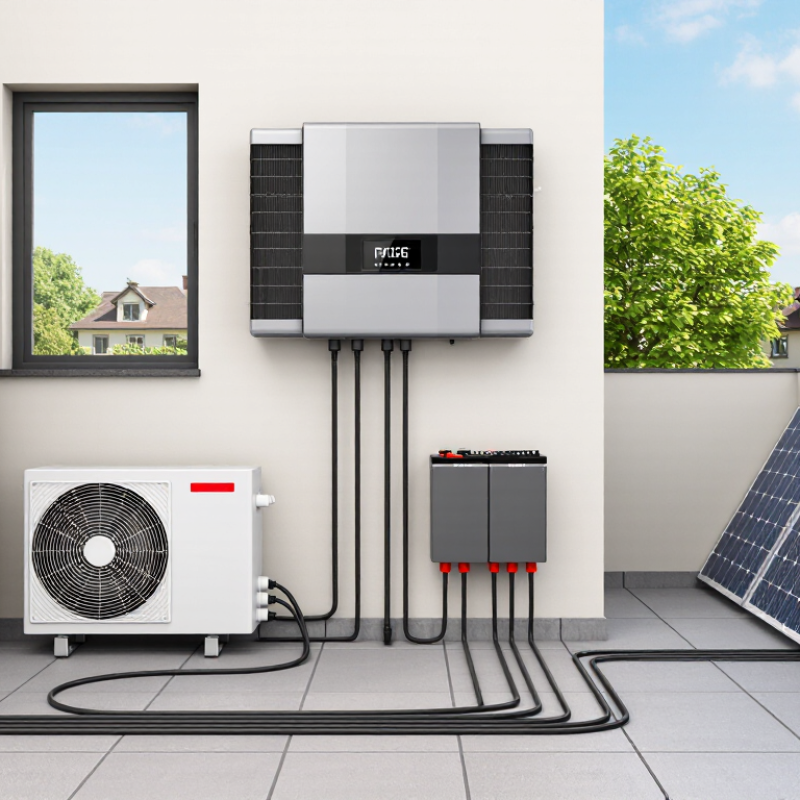
A solar PV hybrid inverter is the control point connecting solar panels, a battery, and a building’s electrical system. Panels produce direct-current electricity, while most household appliances use alternating current. The inverter converts that energy and manages where it goes. Simple, but not effortless.
When sunlight exceeds immediate demand, a compatible system can send surplus power to a battery. Later, the battery may supply the home when solar production falls. Depending on its design and settings, the inverter can also coordinate with the utility grid. A hybrid unit does not automatically provide backup during an outage; backup usually requires suitable equipment, battery capacity, and configured circuits.
For example, a household might run daytime appliances from rooftop solar, store some excess energy, then use stored power after sunset. The actual result depends on panel output, battery size, weather, and household demand. These details matter more than a large number on a product sheet.
Compatibility deserves careful checking, too. Not every inverter works with every battery, and installation settings affect performance. I might be tempted to treat “hybrid” as meaning one complete, seamless solution, but that assumption needs questioning: the inverter is one part of a system, not a substitute for proper design.
How a Solar PV Hybrid Inverter Manages Power
Why Choose a Solar PV Hybrid Inverter?
How a Solar PV Hybrid Inverter Manages Power
A hybrid inverter coordinates solar panels, household loads, a battery, and sometimes the grid. Panels produce direct-current electricity, while most home circuits use alternating current. The inverter converts power and monitors production and demand. When sunlight is strong, it can serve active loads and send surplus energy to the battery, subject to system settings. Simple, but not automatic magic.
When clouds reduce output, the inverter can draw stored energy to help cover demand. At night, it may use the battery or grid, depending on the system’s configuration. During an outage, backup power is available only if the system supports islanded operation and has been configured for it. Some loads may need to be excluded. That detail is easy to overlook.
Battery charging and discharging involve energy losses. NREL’s 2024 Annual Technology Baseline uses about 85% round-trip efficiency as a lithium-ion storage assumption; actual performance varies by equipment and conditions. This is a battery-system benchmark, not an inverter efficiency rating. A practical design should also account for battery capacity, inverter power limits, and household peaks, such as a kettle running while a heat pump starts. Controls can prioritize backup reserves or self-consumption, but those settings involve trade-offs. It is worth checking them against real usage, not just an estimated bill.
Key Benefits of Choosing a Hybrid Inverter
A solar PV hybrid inverter can manage electricity from rooftop panels, a battery, and the grid. This setup lets a household use solar power when available, store some excess, and draw grid power when needed. On a bright afternoon, the battery may charge while appliances use solar electricity. After sunset, stored energy can supply selected household loads, depending on system settings and battery capacity.
This coordination can reduce reliance on grid electricity, especially when household demand matches solar production. It may also provide backup during an outage, but only if the inverter and battery support islanded operation and backup circuits are configured. Backup is not automatic. A refrigerator, router, and a few lights need less power than an electric cooker or water heater.
Hybrid systems can make future storage additions simpler, though compatibility should be checked before purchase. Ask an installer to explain usable battery capacity, conversion losses, warranty terms, and what happens when the battery is empty. Real performance varies with roof shade, weather, battery age, and daily habits. Even careful estimates miss things. A monitoring display can show energy flows, but its figures are useful only when settings and meter data are correct.
Factors to Consider Before Selecting a Hybrid Inverter
A solar PV hybrid inverter can coordinate panels, batteries, and household loads, but its headline power rating tells only part of the story. Start with an hourly load profile: note when major appliances run and which circuits must stay on during an outage. Check continuous output and short-duration surge capacity against those loads. A refrigerator may run modestly but need extra power at startup. Small details matter.
Next, confirm the inverter’s battery compatibility, usable voltage range, and supported communication protocol; a battery that cannot communicate properly may limit operation. Compare its PV input limits with the array’s cold-weather voltage and expected current, then check the number of independent maximum power point trackers for different roof orientations. NREL’s 2024 Annual Technology Baseline uses 85% round-trip efficiency as a utility-scale lithium-ion storage assumption. That is a useful reference, not a promise of home-system performance: conversion losses, operating conditions, and system design differ. Review backup transfer behavior, expansion limits, monitoring access, and warranty terms too. A neat specification sheet can still hide a poor fit. Have a qualified installer verify the design against the site’s actual wiring and load requirements.
Where Hybrid Inverters Are Most Useful
Where Hybrid Inverters Are Most Useful
A hybrid inverter is especially useful when a home’s solar production and electricity use happen at different times. Panels may generate most power at noon, while cooking, laundry, and lighting peak after sunset. A battery stores some daytime energy for later use. The inverter manages power moving between panels, battery, home, and grid.
It can also help where outages are common, provided the system is configured for backup. A homeowner might keep a refrigerator, router, and a few lights running, rather than powering every circuit. Backup capacity depends on battery size, inverter limits, and installation design. Check those details before assuming the system will carry heavy appliances. Small details matter.
Hybrid systems can suit homes facing time-based electricity rates, since stored solar energy may reduce grid use during expensive evening hours. Rural properties with weak grid connections may benefit too, though a hybrid inverter alone does not guarantee reliable off-grid power. Weather, battery capacity, and daily demand all affect performance. The less tidy part is planning: future energy needs are easy to underestimate, and oversized equipment can add cost without much benefit.


