What Is Jewelry Equipment Used For?
Jewelry may look delicate, but producing it often depends on precise tools and controlled processes. Behind a polished ring are practical tasks: measuring a band, securing a tiny stone, shaping metal, and checking a finished surface. Grand View Research valued the global jewelry market at USD 353.26 billion in 2023 and projected a 4.7% compound annual growth rate from 2024 to 2030. This figure describes the jewelry market, not equipment sales. Still, it shows the scale of the industry in which skilled makers and manufacturers work.
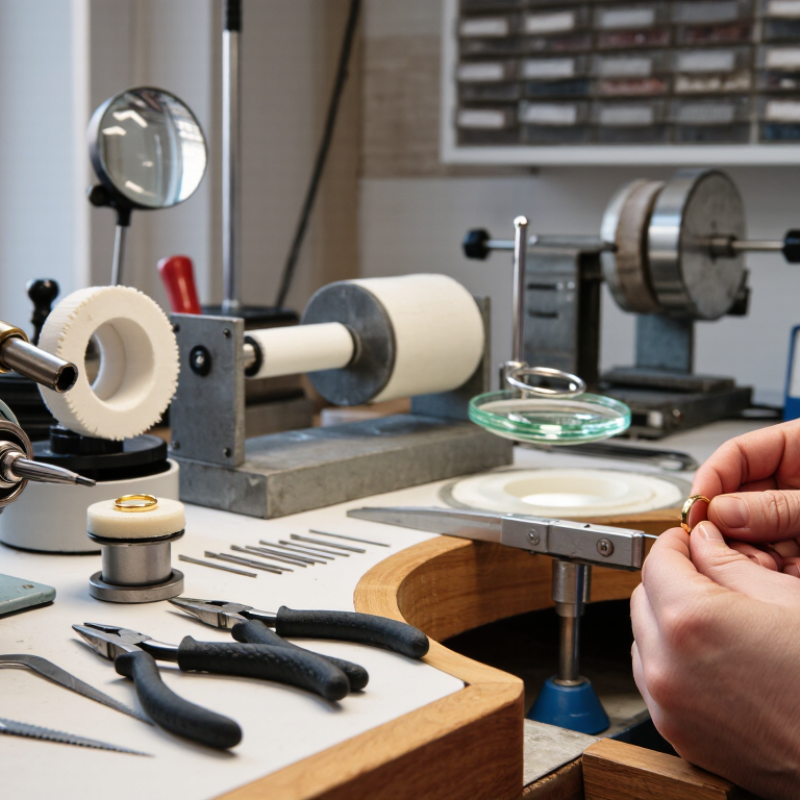
Jewelry Equipment covers the tools and machines used to design, form, join, finish, and inspect jewelry. A bench setup might include a jeweler’s saw, files, pliers, a torch, a polishing motor, and magnifying lenses. Larger workshops may use rolling mills, Casting Equipment, laser welders, or computer-aided design systems. Each serves a different task. A polishing motor smooths surfaces; it does not correct a poorly fitted setting. Equipment supports skilled work, but it cannot replace careful measurement or material knowledge.
The right setup depends on the item, material, production volume, and maker’s experience. A small studio may need reliable hand tools more than industrial machinery. One easy mistake is buying equipment before identifying the actual bottleneck. That deserves a second look. Industry market reports rarely explain these bench-level decisions, so their figures should not be treated as buying advice. Understanding what each tool does—and what it cannot do—helps readers assess equipment with realistic expectations.
What Jewelry Equipment Is and How It Supports Jewelry Making
Jewelry equipment includes the tools and work surfaces used to shape, join, finish, and inspect jewelry. Pliers bend and hold wire, while files smooth rough edges left after cutting. A jeweler’s saw makes controlled cuts through thin metal sheets. For soldering, a heat-resistant bench surface and a torch help join components with precision. Each tool has a specific role, but skill matters just as much. A tool cannot correct every uneven cut.
A stable bench, bright task lighting, and magnification support careful work. Good visibility helps makers spot scratches, loose joints, and tiny gaps before a piece is finished. Small details matter.
Safety equipment is part of the setup too: eye protection guards against flying fragments, and suitable ventilation helps manage fumes during soldering.
Tools should be selected for the materials and tasks at hand, then kept clean and in working order. A worn file or loose plier joint can make precise work frustrating. The setup is rarely perfect; even experienced makers may adjust their tools as a design changes. That small inconvenience can be useful, though, because it encourages a closer look at how each step is being done.
The Main Functions of Jewelry Equipment
What Is Jewelry Equipment Used For?
The Main Functions of Jewelry Equipment
Jewelry equipment helps makers shape, join, finish, and inspect small pieces with control. A jeweler may use a bench pin to support a ring while sawing or filing. Pliers hold wire, while a rolling mill can reduce metal thickness into even sheet or wire. Each tool serves a specific task.
Heat tools and soldering setups join metal components. A torch warms a joint until solder flows into the seam; clean surfaces and steady placement matter. Polishing motors and hand files remove scratches and soften edges. Use suitable eye protection, ventilation, and secure workholding, especially when cutting or heating metal. Small details matter.
Measuring and inspection tools help keep pieces consistent. Calipers check thickness, and a loupe reveals rough settings or uneven solder lines. Some equipment is manual; some is powered, and powered tools can save time but demand practice. Beginners sometimes buy too much at once. A simple bench, dependable lighting, and a few well-chosen tools may be more useful. Even experienced makers revisit their setup. It can be awkward, but regular cleaning and checking catches loose parts before they affect the work.
Types of Tools and Machines Used by Jewelers
Jewelry equipment includes hand tools and machines used to shape, join, size, and finish metal or other materials. Jewelers often use a jeweler’s saw for precise cuts, files to smooth edges, and pliers to bend or hold small components. A bench pin supports the work while cutting, while a mandrel helps form rings. Small tools matter. The right tool can prevent a thin piece from bending out of shape.
Machines handle repetitive or forceful tasks. A flex-shaft tool can drill, carve, and polish with interchangeable attachments. A rolling mill presses metal into thinner sheets or patterned textures. A polishing motor helps bring metal to a bright finish, while a soldering torch joins components with controlled heat. Each machine requires practice; speed alone does not guarantee accuracy. Even experienced makers may need to redo a finish when a surface shows fine scratches.
Tips: Secure small pieces before drilling or polishing, and use the correct attachment for the material. Keep ventilation and eye protection in mind when working with dust, heat, or flying particles. Check tool settings on scrap material first. It takes a little longer, but mistakes on finished work can be costly.
What Is Jewelry Equipment Used For?
Jewelers use tools and machines to cut, shape, join, cast, and finish jewelry. This chart compares the melting points of four pure metals, a useful reference when selecting soldering or casting equipment. Jewelry alloys melt across a temperature range, so their requirements may differ from those of pure metals.
How Equipment Is Used at Each Stage of Production
What Is Jewelry Equipment Used For?
How Equipment Is Used at Each Stage of Production
Jewelry equipment changes at each production stage. During design, calipers and digital modeling tools help set dimensions before metal is cut. A wax or resin printer can turn a model into a casting pattern. For a ring, even a small sizing error may affect comfort and finishing. The sequence is not always tidy. Prototypes often reveal flaws the screen missed.
Casting equipment melts and shapes metal, while rolling mills and drawplates reduce stock into sheets or wire. Soldering tools join components; files and rotary tools refine edges and settings. Polishing motors then smooth the surface, and scales or metal-testing instruments help check weight and composition.
The World Gold Council’s Gold Demand Trends: Full Year 2024 reported global gold jewelry demand of 2,093 tonnes, down 11% from 2023. That figure describes demand, not factory output, but it shows why adaptable tools matter when orders shift.
A tool cannot replace skilled judgment. And finishing can erase detail if pressure is poorly controlled. Makers should match equipment to the material, design, and batch size, then inspect each piece between stages.
How Jewelers Choose and Maintain Their Equipment
What Is Jewelry Equipment Used For?
How Jewelers Choose and Maintain Their Equipment
Choosing equipment starts with the work at hand. A jeweler making fine repairs may need a steady bench pin, bright adjustable lighting, and magnification that feels comfortable for long sessions. A maker shaping sheet metal may value a rolling mill, files, and a secure vise instead. Fit matters. Tools should suit the jeweler’s skill, workspace, and typical materials, not just look impressive. Before buying, check how easily parts can be adjusted or replaced. A tool that feels awkward after ten minutes can slow careful work and strain the hands.
Tips: Test the tool’s balance and controls before committing, when possible. Keep lenses clean, clear dust from moving parts, and inspect cords for wear. Follow the maker’s care instructions, and disconnect powered equipment before cleaning. Small checks help catch problems early.
Maintenance works best as a routine, not a repair-day scramble. Store measuring tools where they will not be knocked out of alignment, and keep sharp tools protected. Listen for new vibration or uneven movement in powered equipment; these can signal a need for inspection. Record repairs and adjustments, even briefly. No checklist catches every issue, and a tool that seems fine today may need attention tomorrow.


