What Is Trichlor Pool Chemical Used For?
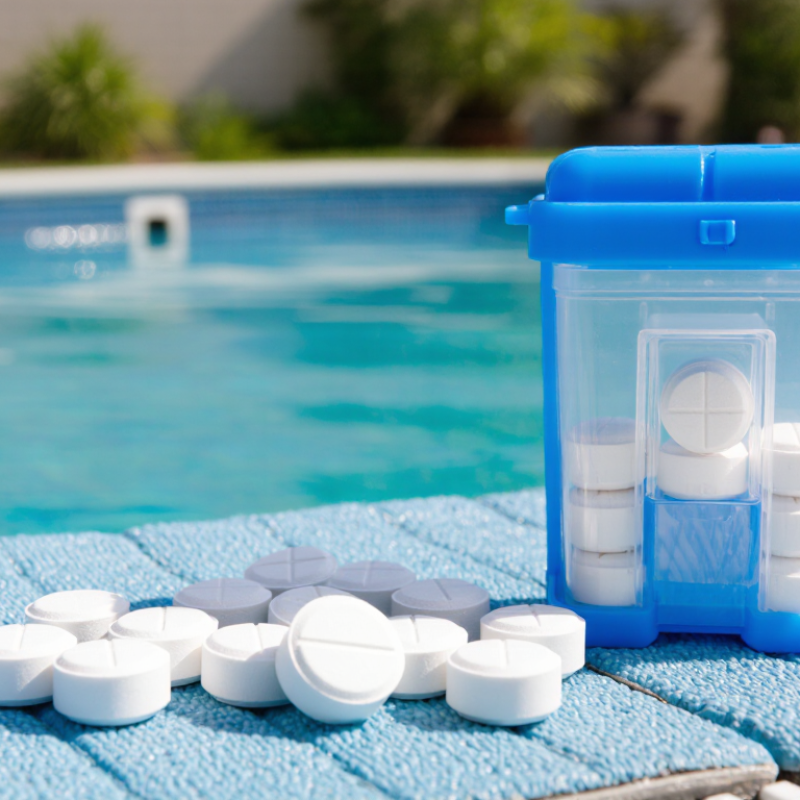
Trichlor Pool Chemical is commonly used to sanitize swimming-pool water by controlling many bacteria and other microorganisms. It is usually sold as slow-dissolving tablets or sticks, making it a practical option for maintaining chlorine over time. Place it only in equipment designed for chlorine tablets, such as a compatible feeder. Never add it directly to a pool unless the product label specifically permits that method. Small details count.
Trichlor also contains cyanuric acid, which helps protect chlorine from sunlight. That can be useful in outdoor pools, where bright afternoons quickly reduce unprotected chlorine. However, cyanuric acid can build up with repeated use. Pool-care educator Rudy Stankowitz’s guidance can be paraphrased this way: “Test the water before adjusting, and let measured results guide each dose.” It is a sensible reminder, not a substitute for the product label or reliable testing.
Trichlor is acidic, too. Over time, its use may lower pool-water pH and total alkalinity, so regular testing matters. Check sanitizer, pH, and stabilizer readings, and adjust them according to the test results and product directions. Avoid mixing pool chemicals, and keep tablets dry and secured away from children and pets. One caveat: Trichlor is not automatically the best choice for every pool. Water conditions, equipment, and existing stabilizer levels can change the decision. A little uncertainty is useful here; test first, then choose a routine that fits the pool.
What Trichlor Is and How It Works
Trichlor, or trichloroisocyanuric acid, is a solid chlorine sanitizer used to control bacteria and algae in swimming pools. Tablets or granules dissolve gradually, releasing chlorine into the water. The active sanitizer forms hypochlorous acid, which damages microorganisms and helps make pool water safer. Trichlor also adds cyanuric acid, a stabilizer that slows chlorine loss in sunlight. That stabilizer is useful outdoors, but it can accumulate over time. A test kit—not appearance alone—shows whether chlorine and stabilizer levels are in range.
The CDC’s 2023 Model Aquatic Health Code sets a minimum free-chlorine level of 1 ppm for pools, or 2 ppm when cyanuric acid is used. These are operating benchmarks, not a dose for every pool; water conditions and local guidance matter. Trichlor is acidic, so steady use may also lower pH. Check pH, free chlorine, and cyanuric acid regularly, and use a feeder designed for the product. Small detail, real impact. I’ve seen clear-looking water tempt people to skip testing; clarity cannot confirm proper sanitation.
What Is Trichlor Pool Chemical Used For? — What Trichlor Is and How It Works | Topic | Details | Practical Pool Guidance |
| What trichlor is | Trichlor is short for trichloro-s-triazinetrione, also called trichloroisocyanuric acid (TCCA). It is a stabilized chlorine sanitizer used in swimming pools. | Check the product label to confirm its active ingredient and follow its directions. |
| Main purpose | It supplies chlorine to help control many disease-causing microorganisms and algae in pool water. | Test the water regularly and maintain chlorine and pH within the ranges recommended by the pool-health authority or product label. |
| How it works | When trichlor dissolves, it releases available chlorine into the water. The chlorine forms hypochlorous acid, an active sanitizer that inactivates many microorganisms. | Sanitizing performance depends on water conditions, including pH, temperature, sunlight, and the amount of contaminants. |
| Stabilizing effect | Trichlor contains cyanuric acid (CYA), which helps protect chlorine from being broken down quickly by sunlight. | CYA can build up with continued use. Test it periodically; excessive CYA can reduce chlorine’s effectiveness. |
| Common forms | It is commonly sold as compact tablets or sticks and dissolves relatively slowly compared with many unstabilized chlorine products. | Use only a feeder or dispenser approved for the product, and follow the label’s instructions for placement and use. |
| Effect on water balance | Trichlor is acidic, so repeated use can lower pool-water pH and total alkalinity. | Test pH and total alkalinity and adjust them as needed using appropriate pool-care procedures. |
| Not a complete water-care solution | Trichlor provides chlorine but does not replace water testing, filtration, circulation, or removal of debris and other contaminants. | Keep the circulation and filtration system operating as recommended and maintain a regular testing routine. |
| Important safety precautions | Trichlor is a concentrated oxidizing chemical. Mixing it with other pool chemicals can cause fire, release of hazardous gas, or other dangerous reactions. | Never mix chemicals. Keep the product dry and in its original, labeled container, and follow the label’s storage, handling, and protective-equipment instructions. |
How Trichlor Sanitizes Pool Water
Trichlor, or trichloro-s-triazinetrione, sanitizes pool water by releasing chlorine as its tablet dissolves. In water, chlorine forms hypochlorous acid, which damages the cell structures of many bacteria and other microorganisms. It also oxidizes some organic contaminants, such as sweat. The process is ongoing, not instant; a tablet in a feeder does not prove the pool is properly sanitized.
Trichlor contains cyanuric acid, which helps shield chlorine from sunlight and slows its loss outdoors. That protection has a trade-off: cyanuric acid can build up, so chlorine may become less effective if levels rise too far. The CDC’s Model Aquatic Health Code recommends at least 1 ppm free chlorine in pools without cyanuric acid, and at least 2 ppm when it is present. Check the water, not just the dispenser. Test free chlorine, pH, and cyanuric acid regularly, and follow the product label for dosing and handling. Trichlor is acidic, so pH can drift downward. A tablet seems simple. The water is less predictable.
Its Role in Controlling Algae and Pool Contaminants
What Is Trichlor Pool Chemical Used For?
Trichlor is a stabilized chlorine sanitizer, commonly sold as slow-dissolving tablets. As it dissolves, it releases chlorine into pool water. That chlorine helps control bacteria and other microorganisms, while breaking down some organic contaminants, such as sweat and sunscreen residue. It is not a substitute for filtration. Leaves, grit, and cloudy debris still need physical removal.
Algae control depends on keeping free chlorine within the range recommended for the pool and product. When chlorine levels fall too low, green film may appear on steps or along shaded walls. Trichlor can help maintain a steadier level between checks, but it cannot guarantee algae-free water. Heavy use, hot weather, and rain can change chlorine demand quickly. Testing matters.
There is a trade-off. Trichlor adds cyanuric acid as well as chlorine, and that stabilizer can accumulate over time. Excessive cyanuric acid may make chlorine less effective, so test it periodically. Trichlor is also acidic and can lower pool pH. A simple test kit can catch changes, though it is easy to put off testing on a busy day. Follow the product label, use suitable protective equipment, and never mix pool chemicals.
What Is Trichlor Pool Chemical Used For?
Trichlor is a slow-dissolving chlorine sanitizer used to disinfect pool water and help control algae. At about 90% available chlorine by weight, it is highly concentrated; it also adds cyanuric acid (stabilizer) to the water. Keep free chlorine and stabilizer within appropriate ranges, and follow product-label directions.
Approximate available-chlorine content by weight for common forms; actual values vary by product and concentration. Sodium hypochlorite shown at a typical 11% value.
Common Trichlor Forms and Application Methods
Trichlor is a stabilized chlorine sanitizer, commonly sold as slow-dissolving tablets or sticks. U.S. EPA product-registration materials commonly list trichlor formulations at about 90% available chlorine, making them concentrated sources of sanitizer. The cyanuric acid in trichlor helps reduce chlorine loss in sunlight, but it also accumulates as the product dissolves. Small tablets dissolve slowly. They suit routine dosing, not rapid correction of a chlorine shortage.
Home and commercial pool operators typically use a compatible floating dispenser or erosion feeder, following the product label and equipment instructions. Keep tablets dry and separate from other pool chemicals; never mix them. Avoid placing them directly on pool surfaces, where concentrated chemical can cause damage. Test free chlorine and pH regularly, and track cyanuric acid as well. The CDC’s 2023 Model Aquatic Health Code sets 100 mg/L as the maximum cyanuric acid concentration for covered pool settings. That limit is a useful warning, not a target for every pool.
Trichlor is acidic, so repeated use may lower pool pH. A feeder setting alone cannot confirm safe water; clear water can still have unbalanced readings. Test before adjusting, and use the label’s dosing directions.
Water-Balance and Safety Considerations When Using Trichlor
Trichlor, or trichloro-s-triazinetrione, is a slow-dissolving chlorine sanitizer commonly supplied as tablets. It helps control bacteria and algae while adding cyanuric acid, which reduces chlorine loss from sunlight. That stabilizer accumulates, though. Each tablet adds more, so regular testing matters.
Water balance needs attention. Trichlor is acidic and can lower pH and total alkalinity over time. The CDC’s Model Aquatic Health Code (2023) sets a pool pH range of 7.0–7.8 and calls for at least 2 ppm free chlorine when cyanuric acid is present. Test with a reliable kit; a clear-looking pool is not proof of safe water. One easy-to-miss detail: chlorine readings can look adequate while excessive stabilizer slows disinfection.
Use tablets only in equipment designed for them, following the product label. Keep them dry and separate from other pool chemicals. Never mix products, even if both are used for pool care. Avoid placing concentrated tablets directly on a pool surface; they can damage finishes. Small routine checks are less glamorous than a sparkling pool. They are also easier than correcting a badly imbalanced one.


