Main Menu
In recent years, micro motors have significantly transformed various industries in China. The versatility of these tiny powerhouses allows for innovations in sectors like automotive, robotics, and healthcare. According to Dr. Wei Chen, a leading expert in micro motor technology, “The future of industry relies on the advancements of micro motors.” This statement underscores the crucial role these devices play in modern manufacturing and technology.
China's rapid industrial growth has spurred an interest in micro motor innovations. These tiny motors are essential components in devices ranging from drones to smart appliances. They offer precise control and enhanced efficiency. However, challenges remain. Many manufacturers must adapt to rapidly changing technologies and ensure quality consistency. Finding skilled workers in this niche field can also be difficult.
As we explore the top ten micro motor innovations reshaping industries in China, it’s essential to recognize the complexities involved. Innovations offer incredible potential, yet they require thorough understanding and commitment. By addressing these challenges, industries can unlock the full power of micro motors. This journey reveals both remarkable advancements and areas for reflection, shaping the future landscape of technology.
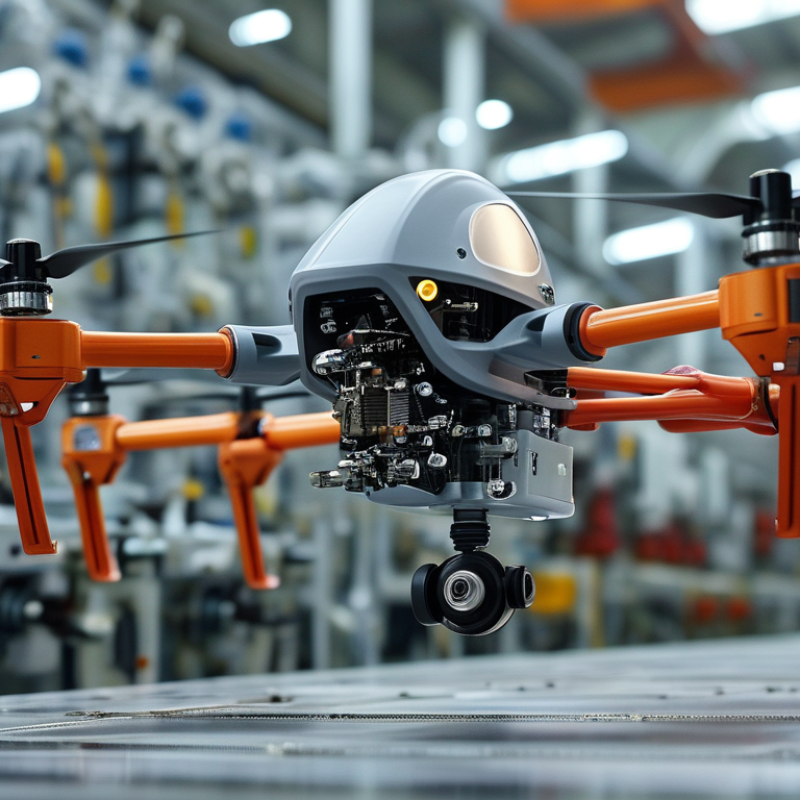
Micro motors are revolutionizing various industries in China, thanks to their distinctive characteristics. These compact devices offer high efficiency and durability, making them suitable for different applications. Energy consumption is minimized, which is critical in today’s eco-conscious market. Many industries benefit from their lightweight design and small footprint, allowing for innovative product designs.
Moreover, precision is another key feature. Micro motors provide superior control, enabling intricate operations in robotics and manufacturing. This precision often reduces the need for larger machinery, leading to lower costs and less waste. However, achieving balance between size and power remains a challenge. Engineers continually seek ways to enhance performance without compromising miniaturization.
The integration of micro motors in smart technologies is noteworthy. Automation relies on these small components to execute tasks with accuracy. Yet, the rapid pace of innovation can lead to inconsistencies in quality. It raises questions about reliability, especially when implemented in critical applications. Continued research and development are essential in addressing these concerns while harnessing the potential of micro motors to drive industrial progress.

Micro motors are at the forefront of innovation in various sectors in China. These tiny devices operate efficiently and are integral to next-generation technology. They find uses in healthcare, automation, and consumer electronics. For example, in healthcare, micro motors power precise instruments for surgeries and diagnostics. This ensures enhanced accuracy and safety in medical procedures.
In the automotive sector, micro motors facilitate advancements in electric vehicles. They control valves and adjust mirrors, significantly improving vehicle performance. The potential for micro motors in renewable energy is also noteworthy. These motors can optimize energy consumption in smart grids, contributing to sustainability efforts.
Despite these advancements, challenges remain. The integration of micro motors into existing systems is not always seamless. Compatibility issues often arise, requiring careful planning and design. Additionally, the production of these motors must address environmental impacts. Continuous efforts are needed to refine processes and enhance sustainability in micro motor manufacturing.
Recent advancements in micro motor design and manufacturing have significantly impacted a variety of industries in China. Innovations such as miniaturized components and enhanced energy efficiency are leading the way. These breakthroughs enable companies to create smaller, lighter, and more powerful motors. As a result, applications in robotics, automotive, and consumer electronics are evolving rapidly.
Moreover, the integration of smart technologies into micro motors is reshaping the landscape. With sensors and connectivity, motors can now communicate data in real time. This opens new avenues for automation and precision control. However, challenges remain in the standardization of manufacturing processes and material quality. The industry constantly seeks solutions to improve reliability and performance.
While these innovations hold great promise, the transition to newer technologies isn't always smooth. Companies often face hurdles in scaling production. Finding skilled labor with expertise in advanced motor technologies can also be daunting. Continuous investment in research and development is essential for overcoming these obstacles. The future of micro motors will undoubtedly depend on addressing these challenges effectively.
| Innovation | Industry Application | Key Features | Benefits |
|---|---|---|---|
| High-Efficiency Brushless Motors | Automotive | Enhanced torque, reduced noise | Improved energy efficiency, longer lifespan |
| Miniature Stepper Motors | Medical Devices | Precise control, compact size | Increased accuracy in surgeries, reduced machine footprint |
| Smart Servo Motors | Industrial Automation | Real-time feedback, adaptive control | Enhanced production efficiency, lower operational costs |
| Piezoelectric Motors | Aerospace | High precision, low power consumption | Improved performance in extreme environments |
| Ultra-Compact DC Motors | Consumer Electronics | Small form factor, high output | Enhancement of portability in devices |
| Modular Motor Systems | Robotics | Customizable components | Flexibility in robot design and function |
| Wireless Power Transfer Motors | Electric Vehicles | Inductive charging technology | Convenience in charging, reduction of wear |
| Nano-Motion Actuators | Optics | High-speed motion, ultra-fine adjustments | Precision in imaging and laser technology |
| Integrated Drive Solutions | HVAC Systems | Built-in controller, communication features | Streamlined installation and operation |
| Brushless Direct Current (BLDC) Motors | Renewable Energy | High reliability, low maintenance | Efficiency in wind and solar applications |
Micro motors are reshaping industries across China, driving energy efficiency and sustainability. These small yet powerful devices are essential in electric vehicles, appliances, and robotics. Their compact design allows for reduced energy consumption while maintaining high performance. As a result, businesses see lower operational costs and decreased carbon footprints.
Organizations are investing in micro motor technology to enhance their green initiatives. These innovations often lead to significant improvements in energy efficiency. For example, smart appliances with micro motors can consume up to 50% less energy than traditional models. This is a vital step toward achieving sustainability goals in manufacturing and everyday life.
Tips: When selecting micro motors, consider their energy rating. Opt for models that offer optimal performance while using less power. Regular maintenance is also critical to keep these motors functioning efficiently. Be mindful, however, that not all motors are designed equally. Research and consult with experts to ensure that you choose the right models for your specific needs.
Micro motor technology is poised to revolutionize various industries in China. Recent reports estimate that this market will reach a valuation of approximately $12 billion by 2025, reflecting a compound annual growth rate (CAGR) of around 8.4% from 2023. The driving forces behind this growth include advancements in automation, robotics, and precision engineering. These innovations are crucial for sectors like automotive, aerospace, and consumer electronics, where efficiency and miniaturization are essential.
The demand for smaller, more efficient micro motors has led to significant investments in R&D. Companies are focusing on improving performance while minimizing energy consumption. A survey revealed that 73% of industry experts believe integrating smart technology will further enhance the capabilities of micro motors. This trend underscores the importance of sustainability and innovation in the production process.
**Tip:** Consider investing in training for your engineering teams. Knowledge of emerging technologies in micro motor design can significantly improve product development.
As micro motors become more efficient, potential challenges arise. Quality control and standardization are areas that require attention. Some manufacturers struggle to maintain the high standards needed for specialized applications. Ensuring consistent quality will be vital for long-term growth and market acceptance.
**Tip:** Collaborate with industry peers. Sharing best practices can improve quality and innovation in micro motor production.
Office: (281) 855-2218
Copyright © 2025 Telco Intercontinental Corp. All rights reserved. Privacy Policy | Legal Disclaimer
Telco®, TelcoMotion®, and TelcoGreen® are registered trademarks of Telco Intercontinental Corp.