+1 (281) 855-2218

Top Heavy Duty Truck Radiator Brands for Buyers

Choosing a Heavy duty truck radiator is not a badge-only decision. A long-haul tractor climbing a desert grade needs dependable heat rejection; a vocational truck crawling through dust needs a core that can handle restricted airflow and regular cleaning. Fit matters, too. A radiator that looks right in a catalog can still require different mounts, hose connections, or cooling capacity.

This guide compares leading heavy-duty radiator brands through practical buyer criteria: application coverage, construction, warranty terms, parts availability, and the clarity of technical support. It also considers the details that are easy to overlook, such as tank material, core design, pressure rating, and compatibility with the truck’s engine and duty cycle. Small checks. Expensive mistakes avoided.

A credible expert quotation needs a verifiable source. No source articles or attributed quotation were provided, so I won’t invent a specialist’s name or words. Instead, this introduction sets a clear standard: compare documented specifications and service evidence, not marketing claims alone. Brand reputation can help narrow the field, but it cannot replace checking the part number against the vehicle and intended workload. Even careful buyers can miss a detail. That is worth admitting—and checking twice.
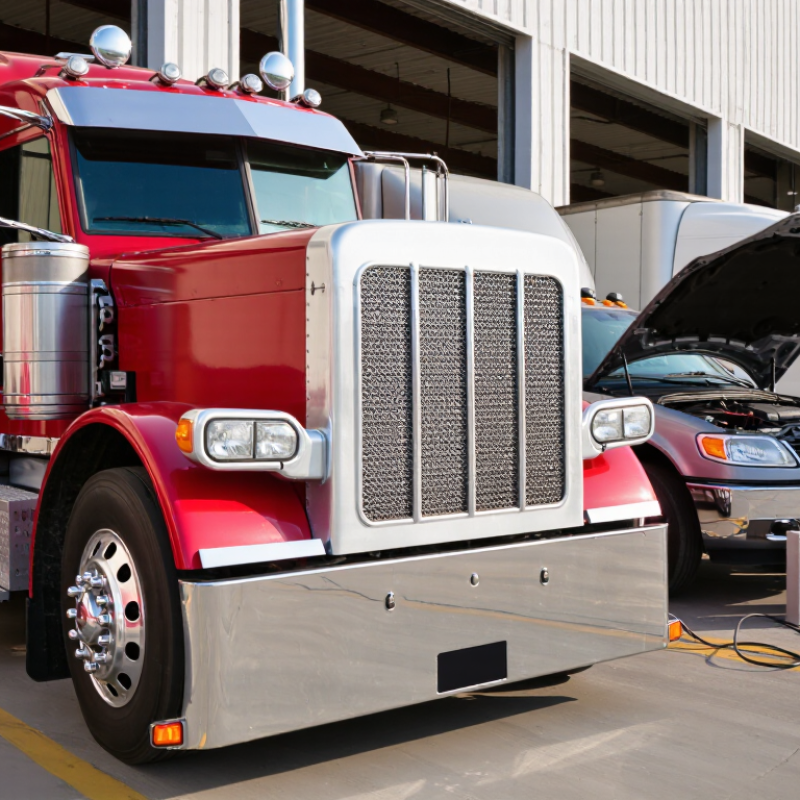
Top Heavy Duty Truck Radiator Brands for Buyers

Heavy-Duty Truck Radiators: Purpose and Key Components

A heavy-duty truck radiator removes heat from engine coolant before the fluid circulates back through the engine. This steady exchange helps prevent overheating during long climbs, heavy hauling, and slow work in hot weather.

Heat has to go somewhere.

The radiator transfers it to outside air, but its performance depends on airflow, coolant condition, and a clear path through the core. A rising temperature gauge deserves attention, though it does not identify the fault by itself. A blocked radiator, failing fan, or low coolant level can produce similar symptoms.

The main component is the core, made of narrow coolant tubes and thin metal fins. Hot coolant flows through the tubes; the fins spread heat across a larger surface for air to carry away.

End tanks direct coolant into and out of the core, while the pressure cap helps maintain system pressure. A fan and shroud draw or guide air through the assembly, especially when the truck moves slowly.

Airflow matters.

Dirt packed between fins can reduce cooling, even if the front looks clean.

Looks can mislead.

Regular checks for leaks, bent fins, loose connections, and damaged hoses provide useful clues, but a visual inspection cannot confirm every internal restriction.

Criteria for Evaluating Heavy-Duty Radiator Brands

Choosing a heavy-duty truck radiator starts with matching its cooling capacity to the engine and working conditions. A truck hauling uphill in summer needs different performance from one making short, light-duty trips. Compare core dimensions, tube design, fin spacing, and rated heat rejection. Confirm that the radiator fits the mounting points and connects correctly to existing hoses. Small mismatches can cause installation delays or leaks.

Tips: Measure the old unit before ordering. Ask for test data on coolant flow, pressure drop, and heat dissipation. Keep those figures for comparison.

Material quality matters, but it is only part of the decision. Look for corrosion-resistant construction and joints designed to handle vibration and repeated temperature changes. Check whether performance claims come from documented testing, not just sales language. A clear warranty and access to replacement parts can also reduce downtime. Ask how claims are tested. A polished specification sheet may still leave gaps; I would verify details against the truck’s actual service demands. Read reviews carefully, since results can vary with maintenance, load, and climate.

Top Heavy Duty Truck Radiator Brands for Buyers - Criteria for Evaluating Heavy-Duty Radiator Brands

Use this brand-neutral scorecard to compare heavy-duty truck radiator suppliers. The suggested weights are a buyer-defined starting point, not measured market rankings.

Evaluation Criterion What to Check Useful Evidence Suggested Weight Score (0–5)
Vehicle and application fit Confirm the radiator matches the truck’s make, model, year, engine, transmission-cooling arrangement, mounting points, and inlet and outlet locations. Application catalog, dimensional drawing, part-number cross-reference, and written fitment confirmation. 20% _____
Cooling performance Check that the radiator is designed for the vehicle’s cooling requirements and operating conditions, including expected engine load and ambient temperature. Published technical specifications, core dimensions, design details, and test information applicable to the exact part. 20% _____
Materials and construction Review core and tank materials, construction method, joint quality, finish, and resistance to corrosion and vibration in the intended service environment. Product specification, material details, construction information, and inspection photographs or samples. 15% _____
Quality control and validation Ask how the product is inspected and tested. Confirm that the supplier can explain its leak checks and applicable pressure or performance testing. Documented inspection process, test records for the supplied part or production batch, and traceability information where available. 15% _____
Installation and serviceability Consider access to fittings, compatibility with the cooling system, installation instructions, and availability of relevant seals or related components. Installation guidance, parts list, technical support, and confirmation of included hardware. 10% _____
Warranty and claims process Read the warranty term, coverage limits, exclusions, required documentation, and steps for handling a defect or fitment issue. Written warranty policy and clear instructions for returns, inspection, and claims. 8% _____
Parts availability and support Check expected lead times, stock visibility, order support, and access to replacement parts or technical assistance. Current availability information, delivery estimates, and documented support channels. 7% _____
Total cost of ownership Compare the purchase price alongside freight, installation, downtime, warranty coverage, and the consequences of choosing an incorrect fitment. Itemized quotation, shipping terms, return policy, and fitment confirmation. 5% _____
Total suggested weighting 100% _____

Scoring guide: 0 = information not provided; 1 = major concerns; 2 = below requirements; 3 = meets requirements; 4 = exceeds requirements; 5 = strongly supported by clear documentation. Apply the same evidence standard to every supplier being compared.

Leading Brands in the Heavy-Duty Truck Radiator Market

The heavy-duty truck radiator market includes original-equipment suppliers, cooling-system specialists, and broad aftermarket distributors. Each serves a different buyer need. OEM-focused suppliers often emphasize vehicle fit, production consistency, and documented performance. Cooling specialists may offer deeper expertise in core design, fin spacing, tank materials, and heat transfer. Aftermarket distributors can provide wider availability and replacement options for older fleets. That difference matters. A familiar label alone is not proof of quality.

Fleet buyers should compare warranty terms, technical documentation, corrosion resistance, and parts support. A radiator that fits the frame but struggles on long climbs can cause costly downtime. Ask for application-specific guidance and verify compatibility with the engine, duty cycle, and cooling package. Inspect the welds and mounting points, too. Independent test data helps, but it may not reflect every route or maintenance condition. Not every supplier publishes comparable figures. That gap deserves scrutiny. Some buyers focus too heavily on purchase price; others pay for features their routes may not need. A leading supplier is one that offers traceable specifications, dependable support, and a realistic fit for the fleet’s operating conditions.

Heavy-Duty Truck Radiator Selection: Coolant Heat Capacity

Coolant heat capacity affects how much heat the fluid can carry through a radiator. These approximate values compare water and ethylene-glycol mixtures by volume at 20°C; actual properties vary by formulation and temperature.

Specific heat capacity is shown in kilojoules per kilogram per degree Celsius. Verify coolant specifications and compatibility with the vehicle manufacturer.

Comparing Brand Fit, Construction, Warranty, and Support

A heavy-duty radiator should match the truck’s engine, chassis, and cooling package—not just its model year. Check core dimensions, inlet and outlet positions, mounting points, fan clearance, and transmission-cooler connections against the vehicle’s specifications. Fit comes first. A small mismatch can mean extra labor or a truck that cannot return to service on schedule.

Construction deserves close inspection. Compare tube and fin materials, header design, and stated pressure-test procedures; ask how the unit handles vibration, corrosion, and repeated heat cycles. Warranty wording matters too. Check coverage length, labor and freight terms, exclusions, and whether proof of installation is required. The American Transportation Research Institute’s 2024 operational-cost report put average trucking costs at $2.270 per mile in 2023, with repair and maintenance at 19.3 cents per mile. These figures are not radiator-specific, but they show why avoidable repair time deserves attention. A longer warranty alone is not proof of better support. Ask whether technical staff can identify the correct replacement using the truck’s build details, and confirm parts availability before ordering. I would still verify every measurement; catalog listings can be incomplete.

Choosing a Radiator Brand for Your Truck and Operating Conditions

Choosing a radiator brand for a heavy-duty truck starts with its working conditions, not the logo on the grille. A truck hauling at low speed through dusty roads faces different cooling demands from one covering long highway routes. Frequent idling, steep grades, heavy loads, and high ambient temperatures all increase heat stress. Fit matters. Check the radiator’s dimensions, inlet and outlet positions, mounting points, and compatibility with the engine and cooling system.

Compare construction and documented performance, not just advertised cooling capacity. Core design, material quality, pressure rating, and resistance to vibration can affect service life. Ask for test information and a clear warranty, and confirm that replacement parts are available where the truck operates. Dusty conditions may call for accessible cleaning between the fins; a radiator that is difficult to inspect can become a maintenance problem. Small details matter.

A sensible choice should match the truck’s duty cycle and the support available to its owner. Review temperature records from demanding routes, if available, and discuss recurring overheating with a qualified technician before replacing parts. A larger core is not automatically better if it does not fit or suit the system. Even careful comparisons leave some uncertainty: real-world cooling depends on airflow, maintenance, and installation, too.

SHOP BY BRAND