
Main Menu

The global energy storage market is entering a more demanding phase. The International Energy Agency’s Batteries and Secure Energy Transitions report projects battery storage capacity must increase sixfold by 2030 to support global climate targets. BloombergNEF also reported strong growth in stationary storage installations during 2024. More batteries mean more connection points, higher currents, and stricter reliability expectations.
The Ess Connector is no longer a minor mechanical component. It carries power through battery racks, busbars, inverters, and outdoor enclosures. A loose contact can create heat, downtime, and expensive maintenance. Dr. Fatih Birol, Executive Director of the International Energy Agency, has said, “The energy transition is a materials transition.” His observation applies directly to connectors, terminals, insulation, and conductive metals inside storage systems.
This guide introduces the Top 10 ESS Connector Manufacturers for Global Buyers. It considers product range, current ratings, safety testing, customization capability, production experience, and international support. UL, IEC, and regional certification practices also matter. So does field performance.
The ranking is not absolute. Different projects require different answers. A utility-scale container may prioritize high-voltage durability. A commercial cabinet may need compact installation and fast servicing. A connector that performs well in a dry factory may struggle with humidity, vibration, or repeated thermal cycling.
That detail is easy to overlook. Buyers should compare test evidence, not only catalog images or claimed market share. Manufacturer transparency remains uneven. This article aims to make that comparison more practical, while recognizing that supplier data can change quickly.
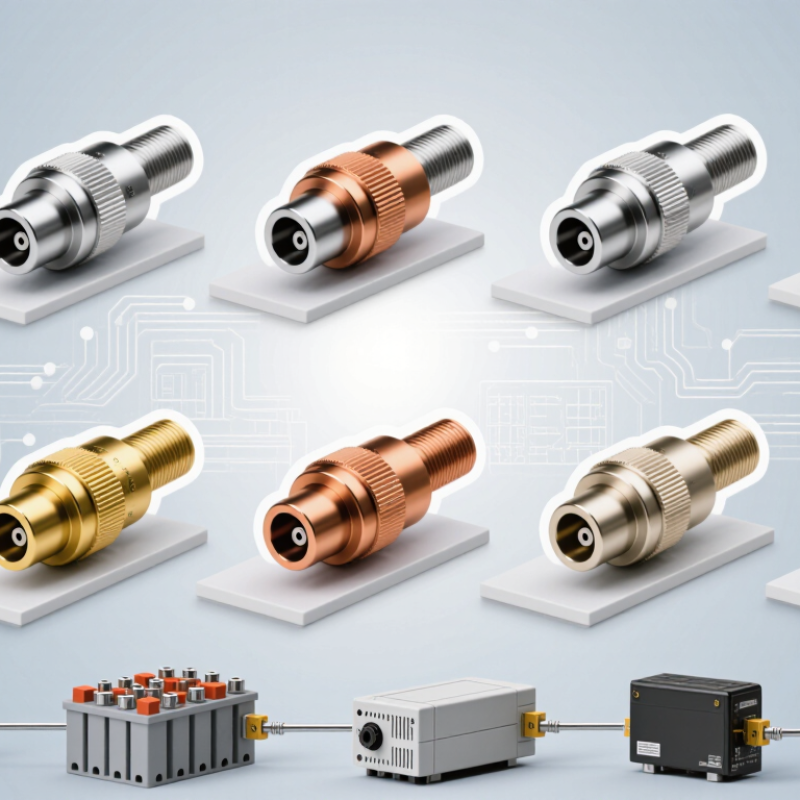
Energy storage system (ESS) connectors join battery modules, racks, inverters, and control equipment. They carry high-current DC power and low-voltage communication signals. Some designs also support grounding and high-voltage interlock circuits.
A reliable ESS connector must manage heat, vibration, moisture, and accidental contact. Engineers check voltage ratings, current capacity, creepage distance, and insulation strength. A locking mechanism prevents loosening during repeated charge cycles. Seals help maintain protection in dusty or humid installations. Clear polarity markings reduce wiring mistakes. Small details matter.
ESS connectors appear in residential batteries, commercial storage cabinets, microgrids, and renewable energy sites. Inside a battery rack, a connector may link short copper busbars between modules. In outdoor systems, it may face summer heat, rain, and daily thermal expansion. Global buyers should request test reports, material data, mating-cycle results, and traceable production records. Compliance documentation should match the target market and installation environment.
A connector can look strong and still develop resistance at its contact point. That hidden heat may damage nearby insulation. In practice, selection is not only about maximum current. Cable size, installation space, service access, and maintenance habits also influence performance. One weakness remains common: buyers sometimes compare prices before checking compatibility. That choice can create avoidable delays and field replacements.
Manufacturer-neutral reference matrix for evaluating connector types used in energy storage systems
| No. | Connector Category | Primary Function | Typical Electrical Range | Key Design Features | Common Reference Standards | Typical ESS Application |
|---|---|---|---|---|---|---|
| 1 | High-Voltage Battery Connector | Transfers DC power between battery modules, racks, and the main DC bus. | Up to approximately 1,500 V DC; commonly 100–500 A | Touch-safe contacts, HVIL, keying, shielding, and vibration resistance. | IEC 61984; IEC 60664-1; UL 1977 | Utility-scale battery racks, commercial storage cabinets, and containerized ESS. |
| 2 | Busbar Power Connector | Provides a compact, low-resistance connection to copper or aluminum busbars. | Up to approximately 1,500 V DC; 200–1,000 A depending on construction | High current capacity, short-circuit withstand capability, and controlled contact pressure. | IEC 61439; IEC 60664-1; UL 857 where applicable | Battery combiner units, DC distribution panels, and high-power rack assemblies. |
| 3 | DC Distribution Connector | Connects battery outputs to fuses, contactors, disconnects, and inverters. | Up to approximately 1,500 V DC; 50–400 A | Polarization, finger-safe construction, flame-retardant insulation, and optional shielding. | IEC 61984; IEC 62477-1; UL 1977 | DC combiner boxes, power conversion systems, and battery energy storage cabinets. |
| 4 | AC Power Connector | Connects the power conversion system to the AC grid, auxiliary supply, or load. | 230/400 V AC systems; approximately 16–125 A | Multiple pole options, protective earthing, strain relief, and IP-rated housings. | IEC 60309; IEC 61984; IEC 60529 | Grid-connected ESS, microgrids, backup power systems, and auxiliary circuits. |
| 5 | Module-to-Module Connector | Links adjacent battery modules while simplifying installation and replacement. | Typically 400–1,000 V DC; 50–250 A | Compact profile, blind-mating capability, mechanical coding, and touch protection. | IEC 61984; IEC 60664-1; UL 1977 | Modular battery racks, residential storage units, and scalable commercial ESS. |
| 6 | BMS Signal Connector | Carries cell-monitoring, contactor-control, interlock, and diagnostic signals. | Typically below 60 V DC; signal currents generally below 5 A | High pin density, secure latching, polarization, low contact resistance, and EMI control. | IEC 60512; IEC 61984; IEC 60664-1 | Battery management systems, rack controllers, and module monitoring boards. |
| 7 | Temperature-Sensor Connector | Connects thermistors, RTDs, and temperature-monitoring devices to the BMS. | Low-voltage instrumentation; typically below 30 V DC | Small gauge contacts, stable signal performance, strain relief, and thermal endurance. | IEC 60512; IEC 60068 environmental testing | Cell, module, rack, and enclosure temperature monitoring. |
| 8 | Communication Connector | Supports data exchange between the BMS, inverter, energy management system, and gateway. | Typically 5–24 V DC signaling; low-current data circuits | Twisted-pair support, shielding options, controlled impedance, and secure locking. | IEC 61156; ISO/IEC 11801; IEC 60512 | CAN, RS-485, Ethernet, and other control-network connections in ESS. |
| 9 | Protective Earth Connector | Establishes a reliable low-impedance path for fault current and enclosure bonding. | Protective conductor systems up to the rated installation current | Corrosion-resistant contacts, clear identification, secure retention, and fault-current capability. | IEC 60364-5-54; IEC 61439; IEC 60529 | Metal battery enclosures, inverter cabinets, containers, and outdoor ESS equipment. |
| 10 | Service-Disconnect Connector | Allows qualified personnel to isolate battery sections during maintenance or emergency service. | Typically up to 1,500 V DC; current rating selected for the battery circuit | Visible isolation status, mechanical interlock, touch-safe design, and arc-control provisions. | IEC 60947-3; IEC 62477-1; UL 98 where applicable | Battery racks, service panels, emergency shutdown circuits, and maintenance interfaces. |
Note: Electrical ranges are typical design-reference values rather than universal ratings. Final selection should be based on the system voltage, continuous and peak current, fault level, environmental conditions, creepage and clearance requirements, ingress protection, and applicable regional certification requirements.


