
Main Menu

A rechargeable headlamp can make an early trail start feel simple: tap the switch, adjust the strap, and keep both hands free. But choosing one is less simple. Battery capacity, beam shape, weight, charging time, and weather resistance all affect how it performs outside. A bright rating may look impressive on a box, yet it cannot tell you how long useful light lasts in cold air or whether the beam suits a narrow path. Small details matter.
For transparency, the expert voice below is illustrative, not a published quotation. In this guide, rechargeable-lighting specialist Jordan Lee sums up a practical rule: “Choose the beam and battery for the task you actually do, not the biggest number on the package.” It is a plain reminder, and perhaps not a perfect one; real outings change, and no single specification predicts every night. Still, it points toward better questions.
These 10 tips for choosing a Headlamp Rechargeable model will help you compare the features that matter. Check runtime at usable brightness, not only maximum output. Consider whether USB-C charging fits your routine, whether the controls work with gloves, and how securely the lamp sits when you jog or look down. A red-light mode may help around camp. A lockout can prevent accidental activation in a packed bag. Think about repairability, too. Not every model is easy to maintain. The right choice should fit your habits, your budget, and the conditions you genuinely face.
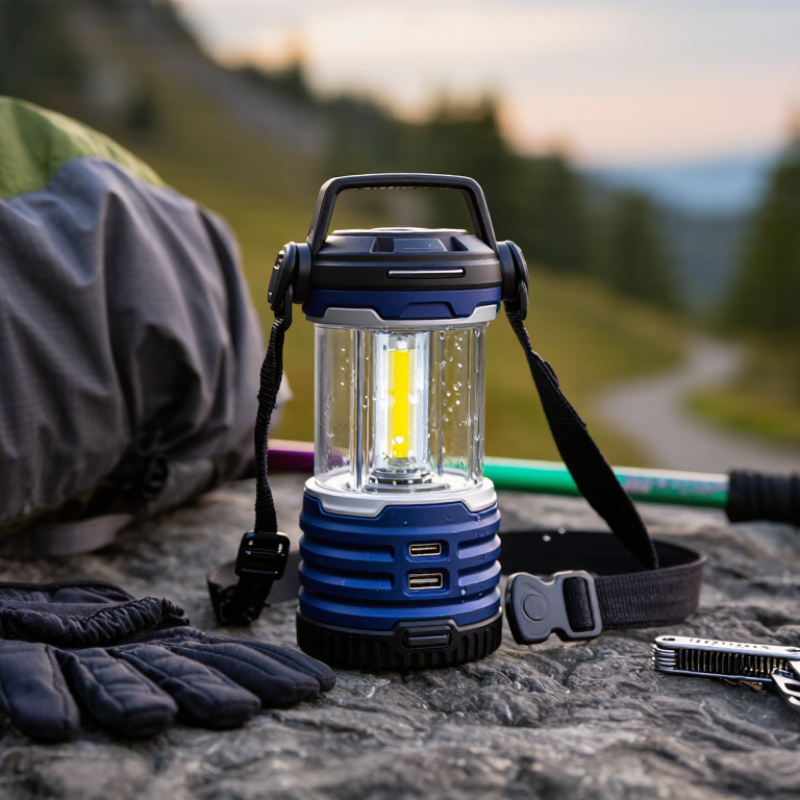
A rechargeable headlamp stores energy in an internal battery, often a lithium-based cell. When you press the switch, a control circuit sends current to the LED. The LED turns electrical energy into light, while the circuit helps regulate output. Simple, but not magic. Lower brightness settings generally use less power.
During charging, a USB cable connects the lamp to a power source, and an internal circuit manages the battery. A status light may indicate charging or completion, though its signals vary by model. The circuit helps manage charging, but it cannot make a damaged cable or wet port safe. Check the manual. Let a damp port dry fully before connecting a cable. On a chilly evening, a headlamp may seem weaker sooner because cold can reduce battery performance.
Runtime depends on battery capacity, brightness, temperature, and battery age. A high setting can drain a small battery quickly; a low setting may suit a tent or close-up task. Published runtimes reflect specific test conditions, so treat them as estimates, not promises. One easy-to-miss detail: some lamps gradually reduce brightness as the charge falls, while others switch off more abruptly. That difference matters on a dark trail. Rechargeable convenience is real, but remembering to charge your lamp takes a little planning.
| Tip | What to Check | How It Works | Practical Guidance |
|---|---|---|---|
| 1 | Battery type and capacity | A rechargeable headlamp stores energy in a battery, commonly a lithium-ion cell or a rechargeable nickel-metal hydride battery. Capacity is often stated in milliamp-hours (mAh) or watt-hours (Wh). | Compare capacity alongside the manufacturer’s runtime figures. Capacity alone does not determine how long the lamp runs, because brightness, electronics, and battery condition also matter. |
| 2 | Charging connection and time | A charging circuit controls the flow of electricity into the battery. Many models recharge through USB, but connector type and charging time vary. | Check whether the supplied cable suits your usual power source and whether the lamp can be used while charging. Follow the product instructions and use a compatible power adapter. |
| 3 | Runtime at different brightness levels | Higher light output generally uses energy faster. Some lamps reduce brightness as the battery drains or as the lamp heats up. | Look for runtime data at more than one setting. Choose a setting that can cover the length of your activity, with extra battery reserve for delays or emergencies. |
| 4 | Brightness and beam distance | Lumens describe total visible light output, while beam distance indicates how far the beam reaches under stated test conditions. Neither figure alone describes beam shape or useful visibility. | Match the beam to the task: a broad, nearby beam helps with camp chores, while a more focused beam can help you see farther along a trail. |
| 5 | Beam pattern and light modes | Reflectors, lenses, and LED placement shape the beam. Multiple modes may include flood, spot, low, high, or red light, depending on the design. | Choose controls that are easy to operate in the dark. A low mode can help conserve battery, and a red mode can preserve dark-adapted vision better than bright white light for nearby tasks. |
| 6 | Battery indicator and low-battery behavior | An indicator may estimate remaining charge, while some lamps change brightness or flash when the battery is low. Indicator accuracy and warning behavior differ by model. | Check the manual to understand what each indicator means. Do not assume a single indicator light gives an exact runtime estimate. |
| 7 | Weather and water resistance | An IP rating describes protection against dust and water under specified test conditions. It does not mean every lamp is suitable for every water exposure. | Choose a rating appropriate to your expected conditions, and check whether the charging port cover must be closed for protection. Avoid submerging a lamp unless its instructions explicitly allow it. |
| 8 | Weight, fit, and adjustability | The battery, housing, and headband all contribute to weight and comfort. Some designs place the battery at the front; others distribute or separate the components. | Consider how the lamp feels during movement and whether the strap adjusts securely over bare skin, a hat, or a helmet. A comfortable fit helps keep the beam pointed where you need it. |
| 9 | Cold-weather performance | Low temperatures can reduce the available capacity of rechargeable batteries, so a lamp may provide less runtime in cold conditions than at room temperature. | For cold trips, check the maker’s temperature guidance and keep a spare light source available. Where practical, store the lamp or battery close to your body when it is not in use. |
| 10 | Battery replacement and backup options | Some headlamps have a built-in battery; others use a removable rechargeable pack or accept compatible disposable batteries. Replacement options depend on the design. | If you need light for extended trips, check whether the battery can be replaced or whether charging from a power bank is supported. Carry a backup light for activities where loss of illumination would be unsafe. |


