+1 (281) 855-2218

How to Choose the Best Air Duct Machine in 2026?

Choosing the right Air Duct Machine in 2026 requires more than comparing prices and motor power. Modern equipment must balance suction strength, filtration quality, portability, noise control, and operator safety. A machine that looks powerful in a product photo may struggle inside narrow, dusty ductwork. Real performance depends on airflow, hose design, brush compatibility, and the condition of the ventilation system.

Experienced contractors usually inspect the job before selecting equipment. They consider duct size, access points, insulation type, debris volume, and available electrical supply. A compact negative-air machine may suit residential work, while larger commercial systems need stronger extraction and longer operating cycles. HEPA filtration can help control fine particles, but only when filters are correctly installed and replaced. Small details matter.

Some choices remain difficult.

Manufacturer claims should be checked against technical documents, warranty terms, and independent field feedback. Look for clear airflow ratings, replacement-filter availability, service support, and practical cleaning instructions. Certification and safety documentation also deserve careful attention. However, no machine solves every problem. Overlooking access limitations or operator training can reduce results, even with premium equipment. This guide compares important features and real-world trade-offs, helping buyers make a more informed decision. It also questions common assumptions, because the most expensive Air Duct Machine is not automatically the best choice for every project.
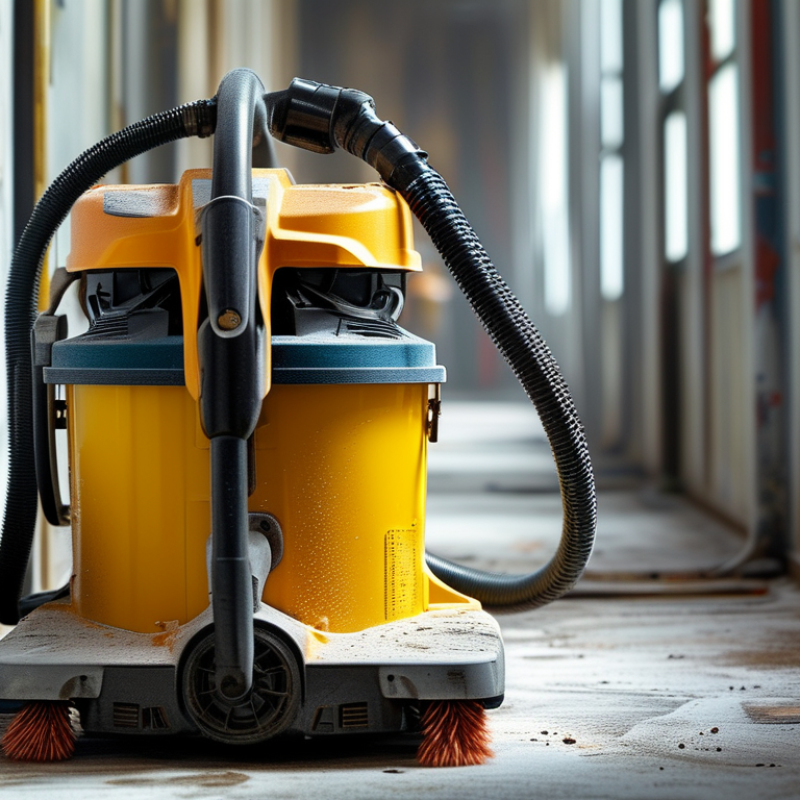
How to Choose the Best Air Duct Machine in 2026?

Understanding Air Duct Machines and Their Main Applications

How to Choose the Best Air Duct Machine in 2026?

Understanding the machine’s application matters more than choosing the largest motor. Air duct machines support cleaning, inspection, negative-air control, and system sealing. The U.S. Department of Energy reports that duct losses can reduce heating and cooling efficiency by more than 30% in some buildings. That figure makes airflow control important, not optional. A suitable machine should match duct diameter, contamination level, airflow resistance, and access conditions.

For routine cleaning, rotary brushes and air-whipping tools remove dust from metal and flexible ducts. HEPA-filtered vacuum units help capture fine particles during removal. Negative-air machines are useful when technicians must control airborne debris near occupied areas. Inspection cameras reveal crushed sections, moisture marks, and loose insulation before cleaning begins. NADCA’s ACR 2021 standard emphasizes source removal, controlled airflow, and post-cleaning verification. Those details separate professional work from noisy equipment use.

Choose machines with adjustable suction, sealed hoses, replaceable filters, and clear pressure readings. OSHA’s respirable crystalline silica guidance also shows why dust control deserves serious attention, even when duct debris looks ordinary. Bigger is not always better. I have seen operators overuse suction and damage fragile flexible ducts. That is an easy mistake. A practical selection should include training, maintenance access, electrical requirements, and measurable results. Performance claims without airflow data deserve caution.

Identifying the Right Machine Type for Your Cleaning Requirements

Choosing an air duct machine starts with the contamination, not the machine’s advertised power. The U.S. Department of Energy reports that typical duct systems may lose 20–30% of airflow through leaks. Therefore, cleaning cannot replace inspection and sealing. For light dust in small residential systems, a portable vacuum with HEPA filtration and flexible air whips is usually practical. It fits narrow access points and reduces disruption inside occupied rooms.

Large commercial systems need stronger negative-air control. A high-capacity vacuum, rotary brush system, and sealed collection equipment can handle longer duct runs and heavier debris. NADCA’s 2021 ACR standard emphasizes source removal, controlled access, and verification after cleaning. That guidance matters when dust is visible around diffusers or insulation fibers enter the airstream. For sensitive facilities, choose HEPA-rated filtration and monitor pressure continuously. The U.S. EPA notes that indoor pollutant levels can be several times higher than outdoor levels, making containment especially important.

Match the machine to duct size, access doors, debris type, and building occupancy. A machine that works well in a warehouse may damage fragile residential insulation. It happens. Check airflow, static pressure, filter loading, noise, and recovery time before purchase. Ask operators to document before-and-after conditions with photographs and particle readings. Specifications look convincing on paper. Field performance is less tidy. A smaller machine may be safer when access is restricted, while excessive suction can pull loose insulation into the system.

Comparing Performance, Capacity, and Compatibility Features

Choosing the best air duct machine in 2026 requires more than comparing motor power. Performance should be measured at working static pressure, not only at free-air airflow. The 2024 ASHRAE Handbook stresses that duct resistance can reduce actual system airflow significantly. A machine rated at 4,000 CFM may deliver far less through long hoses, filters, and narrow access points. Test readings matter.

Capacity must match the building and job frequency. The U.S. Energy Information Administration’s 2020 Residential Energy Consumption Survey shows that space heating and cooling account for about half of household energy use. Poor cleaning equipment can prolong shutdowns and increase operating costs. Look for a durable collection chamber, washable filters, and a motor designed for continuous duty. Bigger is not always better. Excessive suction may damage fragile flexible ductwork or pull loose insulation into the system.

Compatibility is often overlooked. NADCA’s ACR standard emphasizes containment, source removal, and controlled negative pressure during professional cleaning. Select equipment that supports the required hose diameter, duct openings, power supply, and filtration level. Check whether accessories fit tight bends and ceiling-mounted access panels. In field work, I have seen powerful machines fail because the hose connection was wrong. That mistake is expensive. A simple compatibility checklist can prevent it, although real job conditions still demand judgment.

How to Choose the Best Air Duct Machine in 2026? — Comparing Performance, Capacity, and Compatibility Features
Machine Configuration Typical Airflow Range Typical Static Pressure Collection or Filtration Capacity Compatible Duct Sizes Power Configuration Best Application Key Limitation
Portable Negative-Air Machine 1,000–2,000 CFM
(1,700–3,400 m³/h)
Up to approximately 4–6 in. w.g.
(1.0–1.5 kPa)
24–36 gal debris collection capacity; commonly configured with a pre-filter and HEPA final filter Approximately 4–24 in. round or equivalent rectangular ductwork, depending on hose and access fittings 120 V or 230 V single-phase electric power; usually 1.5–3 kW Lower airflow and shorter hose capability than truck-mounted systems
High-Pressure Rotary Brush System Airflow depends on the connected vacuum collector; commonly 800–1,500 CFM at the cleaning zone Brush drive pressure is application-dependent; vacuum requirement commonly reaches 4–6 in. w.g. Uses a separate vacuum collector; debris capacity is commonly 24–36 gal Approximately 4–20 in. round ducts; flexible shafts commonly support branch cleaning over limited distances 120 V or 230 V electric motor; typical brush motor rating is 0.75–1.5 kW Requires access openings and does not replace source-capture vacuuming
Air Whip and Compressed-Air Cleaning System Vacuum collector commonly operates at 1,000–2,500 CFM Vacuum collector commonly operates at approximately 4–8 in. w.g. Typically paired with a 24–55 gal collection drum or disposable containment bag Approximately 4–36 in. round or rectangular ducts with suitable air-whip attachments Requires a compressed-air supply; many tools operate at approximately 90–120 psi Needs a suitably sized compressor and careful control to prevent debris migration
Truck-Mounted Vacuum System Approximately 3,000–5,000 CFM
(5,100–8,500 m³/h)
Approximately 8–12 in. w.g.
(2.0–3.0 kPa)
Approximately 10–20 cu. ft. debris capacity, depending on the hopper and separator design Approximately 6–48 in. ducts, subject to hose length, access, and system layout Vehicle-mounted engine or auxiliary power system; high fuel and maintenance requirements Higher transport, setup, fuel, ventilation, and operating costs
HEPA Air Scrubber 500–2,000 CFM
(850–3,400 m³/h)
Designed for filtration airflow rather than long-distance duct extraction Prefilter stages are commonly disposable; HEPA filters are rated to remove at least 99.97% of 0.3-micron particles when correctly tested Connects to containment areas or limited duct sections through flexible hoses; not normally used as the primary duct-cleaning machine 120 V or 230 V single-phase electric power Cannot substitute for a high-airflow source-capture vacuum during heavy debris removal
Negative-Air Machine with HEPA Filtration 1,000–3,000 CFM
(1,700–5,100 m³/h)
Approximately 4–8 in. w.g., depending on filter loading and hose configuration Multi-stage filtration with a final HEPA filter; collection volume commonly ranges from 24 to 55 gal Approximately 6–36 in. ducts when matched with suitable access panels and hoses 230 V single-phase or three-phase electric power on higher-capacity units Airflow decreases as filters load; filter monitoring and replacement are essential
Compact HVAC Coil and Duct Vacuum 400–1,000 CFM
(680–1,700 m³/h)
Approximately 3–5 in. w.g. Approximately 5–15 gal debris container; usually fitted with washable or replaceable filters Small residential ducts, return plenums, registers, grilles, and HVAC coil areas 120 V single-phase electric power; typically below 2 kW Not suitable for long hose runs, large trunks, or heavy construction debris
Selection note: Airflow and static-pressure figures are representative operating ranges for common equipment configurations, not guaranteed ratings for every machine. Actual performance changes with hose diameter, hose length, filter loading, duct leakage, access openings, and the number of connected branches. Choose a machine whose electrical supply, filtration level, hose system, and collection capacity match the project requirements.

Evaluating Safety, Durability, Maintenance, and Operating Costs

How to Choose the Best Air Duct Machine in 2026?

Evaluating Safety, Durability, Maintenance, and Operating Costs

Safety should be checked before airflow performance. Look for stable wheels, guarded moving parts, clear controls, and a reachable emergency stop. Inspect the power cable for tough insulation and reliable grounding. Local electrical requirements still matter. Never treat a printed safety label as proof of safe design.

Durability appears during ordinary work, not showroom demonstrations. Examine the housing, hose connections, seals, and bearing areas for weak points. A machine with excessive vibration may damage floors, loosen fittings, and tire operators. Noise matters. Test it cold. Starting performance can reveal motor stress that disappears after warming. In field evaluations, simple controls usually survive longer than crowded electronic panels, although advanced monitoring can improve fault detection.

Maintenance affects every operating cost. Choose access panels that open without special tools, washable filters, and replaceable wear parts. Record cleaning time, filter changes, energy use, and unexpected stoppages. A lower purchase price can become expensive when one blocked filter reduces airflow for hours. Watch the load. Compare power consumption under realistic duct resistance, not idle conditions. I would also question optimistic service intervals; dusty sites often require earlier cleaning. That judgment is imperfect, but actual work conditions should guide the schedule. Keep a basic inspection log, because memory is unreliable during busy shifts.

How to Choose the Best Air Duct Machine in 2026?

A balanced evaluation should prioritize worker safety while also considering service life, maintenance requirements, and total operating cost. The chart below presents a practical weighted decision model for comparing air duct machines without using company or brand data.

Safety receives the highest weighting because dust exposure, electrical protection, airflow control, and filtration directly affect operators and building occupants. Durability reflects construction quality and expected service life, while maintenance and operating cost cover filter replacement, consumables, energy use, and routine servicing.

Selecting the Best Air Duct Machine for Your Budget and Workflow

How to Choose the Best Air Duct Machine in 2026?

Selecting an air duct machine should begin with your daily workflow, not the product’s feature list. I have found that cleaning crews lose time when machines cannot fit narrow service entrances. Measure your vehicle, storage area, and common duct sizes before comparing models. A compact machine may suit apartment work, while larger systems handle long commercial runs more efficiently. Check airflow, suction strength, hose length, filter access, and operating noise. These details affect real productivity.

Your budget should include maintenance, replacement filters, power use, and staff training. A cheaper machine can become expensive when cleaning takes longer. I once focused too heavily on suction power and overlooked hose handling. That choice slowed the team in tight ceiling spaces. It was a useful mistake. Ask for clear technical specifications, safety information, warranty terms, and service support. Verify these details through independent reviews and experienced technicians, rather than trusting impressive advertising alone.

Tips: Test the machine with your actual hoses and duct fittings. Bring a tape measure. Listen to its noise level in an enclosed room. Choose washable or easily replaced filters when dust loads are high. Keep a simple maintenance log. Also, leave some budget for unexpected repairs; equipment rarely performs perfectly forever.

SHOP BY BRAND