What is Construction Equipment and How to Choose the Right One?
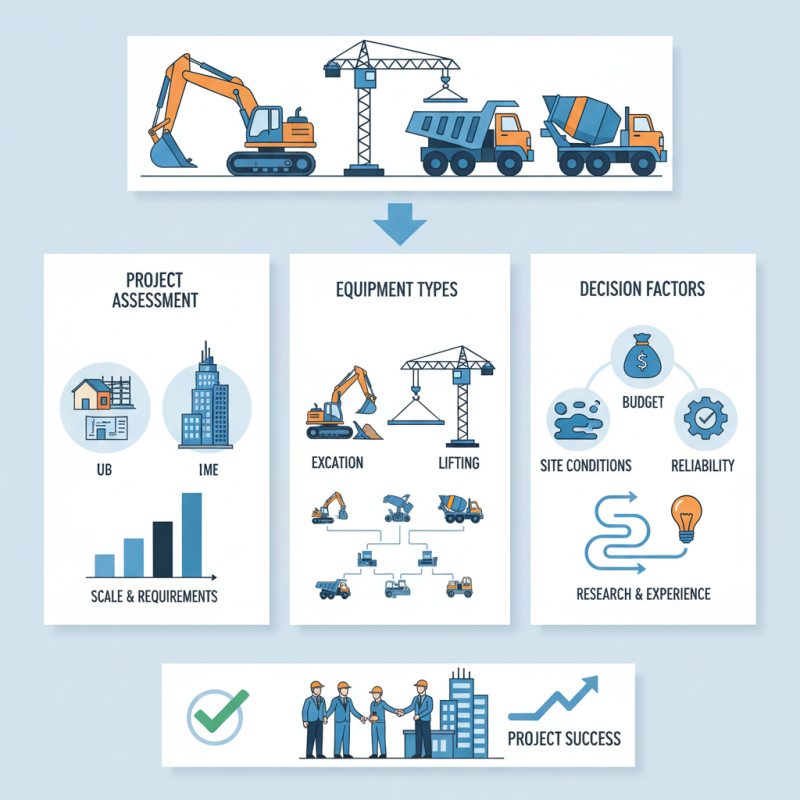
Construction Equipment plays a crucial role in the modern construction industry. Choosing the right tools and machinery can significantly affect project success. Various types of equipment exist, catering to specific tasks. For instance, diggers are essential for excavation, while cranes are vital for lifting heavy materials.
Understanding the features and capabilities of Construction Equipment is vital. Each project has unique demands, and equipment must align with them. For example, a small residential project may not require the same equipment as a large commercial site. It’s essential to evaluate the scale and requirements before making a decision.
With numerous options available, navigating choices can be overwhelming. Contractors must consider factors like budget, site conditions, and equipment reliability. Unfortunately, many overlook these details, leading to costly mistakes. Taking time to explore options and learning from past experiences will improve decision-making in selecting Construction Equipment.
Understanding Construction Equipment: Types and Functions
Construction equipment plays a crucial role in various projects. There are several types to consider, each serving a unique function. For instance, excavators are ideal for digging and earthmoving tasks. They provide leverage and mobility, making them essential for large-scale operations. Conversely, bulldozers are powerful machines designed for pushing heavy materials. Understanding the distinct roles of each type can greatly enhance project efficiency.
When selecting construction equipment, assessing specific project needs is vital. Consider factors like terrain, material type, and project duration. Smaller projects might benefit from compact machinery, while larger sites require robust options. Always weigh the efficiency of the equipment against its cost. It's a delicate balance; cutting corners too much can lead to setbacks.
It's also important to reflect on the operator’s skill in using the chosen equipment. Even the best machine is ineffective in untrained hands. Therefore, training should not be overlooked. Careful planning includes both the equipment and the people operating it. This holistic approach can lead to better outcomes and smoother operations in the construction process.
Key Factors in Choosing Construction Equipment for Your Project
Choosing the right construction equipment is crucial for any project. Several key factors come into play. First, assess the nature of your project. Will you be digging a foundation or lifting heavy materials? Different tasks require different machines. Consider the size of your site as well. A compact excavator might be best for tight spaces, while larger areas can accommodate bigger machinery.
Next, evaluate equipment specifications. Understand the load capacity and power output. Analyze whether the equipment can handle the materials you'll be working with. Reliability is vital, as delays due to equipment failure can be costly. Also, think about the skill level of your crew. Not all workers can operate complex machinery. It’s essential to balance capability with usability.
Finally, budget constraints are unavoidable. Renting is an option, but it may not always be cheaper in the long run. Weigh the pros and cons. Sometimes, purchasing equipment might be a better investment. Take time to reflect on these factors. This process isn’t just about immediate needs; it affects future projects as well. Making thoughtful decisions now can lead to smoother operations later.
Construction Equipment Usage by Type
Evaluating Equipment Size and Capacity for Optimal Performance
When selecting construction equipment, evaluating the size and capacity is crucial. The equipment must match the scale of your project. Oversized machines can waste fuel and increase costs. Conversely, undersized equipment may lead to inefficiencies and delays. Understanding these dynamics helps in making informed decisions.
A careful assessment of the worksite is necessary. Consider the specific tasks required. Heavy lifting may need larger equipment, while precision tasks might utilize smaller machines. Additionally, terrain and accessibility play significant roles in your choice. A machine that cannot maneuver on rough ground may hinder progress.
Reflecting on past experiences can help refine your decision-making process. A smaller operator might underestimate the importance of capacity, resulting in costly downtime. On the other hand, ignoring equipment limitations can lead to accidents or damage. Balancing the need for power and practicality ensures optimal performance on your construction project.
Cost Considerations: Budgeting for Construction Equipment
When budgeting for construction equipment, understanding upfront costs and long-term expenses is crucial. The initial purchase price is just the tip of the iceberg. Reports estimate that maintenance costs can account for 20-50% of the total lifecycle cost of equipment. This can significantly impact your budget. Factoring in regular maintenance, repairs, and potential downtime should be a priority.
Another essential consideration is financing options. Many contractors struggle with cash flow when they buy expensive units outright. A study indicated that nearly 60% of construction firms utilize financing to acquire equipment. Lease agreements often emerge as an attractive alternative. They offer lower upfront payments and greater flexibility. However, it’s important to evaluate the total cost of ownership versus leasing options.
Determine the specific needs for the project. Understand the type of equipment required based on work scope and timeline. Overestimating can drain funds while underestimating may cause delays and cost overruns. Assessing equipment utilization is key. Reports suggest that up to 30% of construction equipment remains idle. This inefficiency can lead to unnecessary costs, prompting reevaluation of purchasing decisions. Investing wisely requires ongoing reflection and adjustment.
What is Construction Equipment and How to Choose the Right One? - Cost Considerations: Budgeting for Construction Equipment
| Equipment Type | Average Cost ($) | Operating Costs ($/hour) | Maintenance Cost (% of value/year) | Lifespan (Years) |
| Excavator | $100,000 | $50 | 10% | 10 |
| Bulldozer | $80,000 | $60 | 12% | 15 |
| Cranes | $200,000 | $100 | 15% | 20 |
| Backhoe Loader | $75,000 | $45 | 10% | 10 |
| Forklift | $30,000 | $30 | 8% | 8 |
Maintenance Tips for Ensuring Longevity of Construction Equipment
Maintenance is crucial for the longevity of construction equipment. Regular inspections can prevent major issues. Check oil levels and hydraulic fluids frequently. Replace filters as needed. This can avoid costly repairs down the line. Cleaning machinery after use prevents dirt build-up, which can cause wear and tear.
Scheduled maintenance is vital. Adhere to the manufacturer’s recommendations for service intervals. Sometimes, it’s tempting to skip these checks, but that can lead to failures. Documenting service history also builds reliability. Maintain a log of repairs and inspections.
Operator training impacts equipment lifespan. A well-trained operator will handle machines with care. Improper use often leads to unnecessary damage. Regular training refreshers can strengthen skills. Creating a culture of maintenance awareness within your team is essential. This helps in recognizing early signs of equipment distress.


