Main Menu
Choosing the right Pcr Cosmetic Tube supplier affects product safety, appearance, and customer trust. It also influences filling efficiency, shipping stability, and long-term brand reputation. A visually attractive tube may still fail during crimping, squeezing, or repeated bathroom use.
Experienced buyers examine more than price. They check resin composition, barrier performance, wall thickness, cap fit, and printing durability. For recycled materials, ask for clear PCR content documentation and batch traceability. Request samples from several production lots, not one carefully selected unit. Test them with the actual formula, especially oils, acids, fragrances, and active ingredients. Small compatibility problems can become expensive recalls.
Supplier evaluation should include factory audits, quality records, inspection procedures, and realistic production capacity. Confirm whether the supplier controls molding, decoration, assembly, and packing internally. Independent testing may verify leakage resistance, drop performance, torque, and migration requirements. Regional packaging regulations also deserve professional review. Requirements can differ between markets.
No supplier is perfect. That matters. A factory may offer excellent printing but weaker communication. Another may provide strong documentation but longer lead times. Ask how problems are reported, corrected, and prevented from returning. Reliable partners share limitations early. They do not hide behind polished samples.
The best choice balances technical evidence, transparent communication, consistent quality, and total cost. Begin with a written specification. Include dimensions, materials, color targets, tolerance limits, testing methods, and delivery expectations. With careful comparison, a Pcr Cosmetic Tube supplier can support safer launches and more dependable packaging performance.
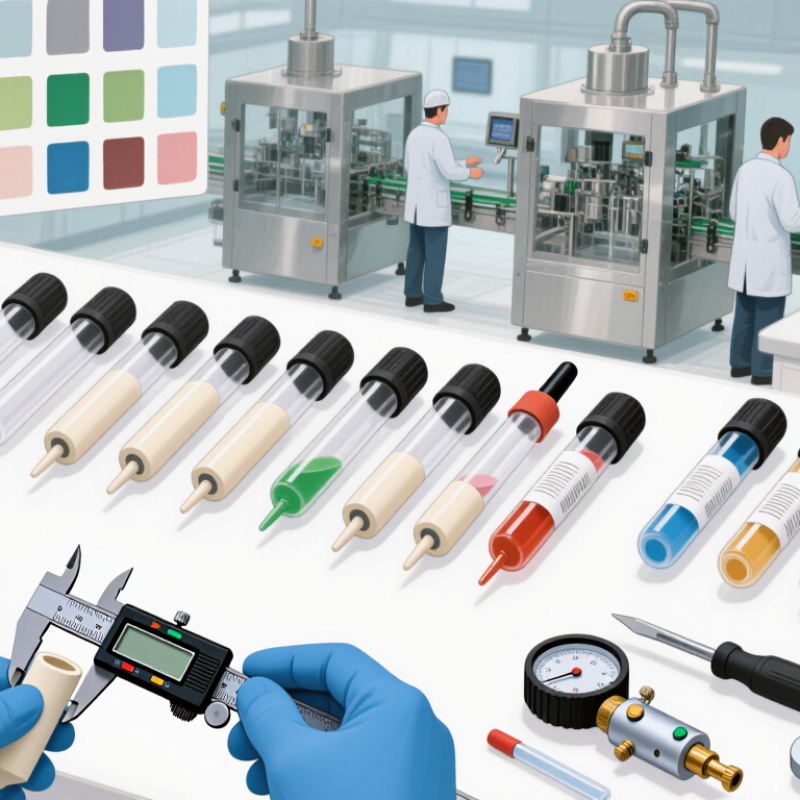
Before contacting a supplier, describe the tube your product actually needs. Set the required volume, diameter, wall thickness, shoulder shape, cap style, and decoration method. Consider the formula too. Oils, acids, pigments, and fragrances may affect material compatibility. A tube that looks attractive can still fail during filling or transport.
Clarify your PCR target with measurable details. Specify whether you need post-consumer recycled plastic, the requested percentage, and the acceptable color range. Darker PCR material may hide variation, while lighter shades can reveal small specks. Ask for evidence of recycled content, batch traceability, and testing records. Request samples for squeeze testing, leakage checks, drop testing, and formula compatibility. Practical experience matters here. Lab results alone may not predict retail handling. I have seen sustainability targets become vague when teams ignore caps, labels, and production waste. That deserves a second look.
Write a requirement sheet before comparing quotations. Ask suppliers to separate PCR content from total recyclable content. Check whether the proposed structure supports your filling line. Confirm minimum order quantities, lead times, and quality controls. Discuss what happens when recycled feedstock varies. A reliable supplier should explain limitations clearly, not promise perfection. Keep one sample from every approved batch, and record its weight, appearance, and performance. Small records help reveal gradual changes. Perhaps your first PCR target is too ambitious. Adjust it using test data, not marketing pressure.
Manufacturing discipline matters just as much. Review ISO 9001 quality systems, environmental controls, and documented inspection procedures. Check whether the supplier performs wall-thickness measurement, cap-torque testing, leakage testing, and drop testing. A tube may look perfect under showroom lighting. It can still fail after filling, transport, or repeated opening.
Request production samples, not only display samples. Compare color variation, odor, print adhesion, seam strength, and compatibility with oils or active ingredients. ISO 22716 is designed for cosmetic manufacturing, but its controlled practices can still guide supplier discussions. It does not replace packaging tests.
Tips:
Confirm PCR content through independent laboratory testing when possible. Require retained samples and full batch traceability. Review the supplier’s corrective-action records. Ask difficult questions early. A low price can conceal higher rejection costs.
I have seen small neck defects create large filling problems. One more concern: PCR quality can vary between batches, so fixed specifications and regular revalidation are necessary.
The UNEP Turning off the Tap report states that plastic pollution could be reduced by 80% by 2040, but progress depends on measurable, repeatable decisions.
How to Choose the Best PCR Cosmetic Tube Supplier?
A reliable PCR cosmetic tube supplier should explain its customization process clearly. Ask about recycled content, tube size, wall thickness, color, cap design, and decoration methods. Confirm whether the chosen PCR percentage affects flexibility, odor, or surface appearance. Request physical samples, not only digital drawings. Small details matter, especially around the shoulder and sealing area. A tube that looks excellent may still leak during filling or transport.
Certification checks require careful attention. Review ISO certificates, material declarations, testing reports, and factory quality records. Check the certificate scope, issuing body, expiration date, and production site. Do not accept a logo as evidence. The supplier should provide batch traceability and a certificate of analysis when appropriate. Packaging materials may also require migration, heavy metal, or restricted-substance testing, depending on the target market. Requirements differ across countries.
Ask how the supplier manages regulatory compliance throughout production. Can it control PCR content consistently? Are incoming materials inspected? How are defects recorded and corrected? I have found that clear answers reveal more than polished brochures. Still, no supplier is perfect. A missing document may be an oversight, but repeated vague replies deserve caution. Request a pilot order and inspect samples after filling, aging, and transport simulation. That extra step can expose problems early.
Choosing the best PCR cosmetic tube supplier requires more than comparing the lowest unit price. Request a detailed quotation with tooling, decoration, packaging, and shipping costs listed separately. A cheaper tube may become expensive after color matching or custom molding fees. Minimum order quantities also matter. Large orders can reduce the unit price, but they may leave you with excess inventory and storage costs.
Lead time should be measured from approved artwork, not from the first inquiry. Ask how long sampling, mold adjustment, production, and inspection each require. A reliable supplier should explain possible delays clearly. I once underestimated approval time, and the shipment missed a planned product launch. That mistake changed my purchasing checklist. Supply capacity deserves equal attention. Ask about monthly output, backup equipment, raw material availability, and quality control records. A supplier may accept your order, yet lack capacity during seasonal demand.
Tips: Compare the full landed cost, not only the factory price. Request a written production schedule. Test samples before placing a large order. Check whether the supplier can repeat color, dimensions, and closure fit consistently. Ask for recent capacity data when your forecast exceeds normal volumes. Be cautious with vague promises. They often sound attractive, but they provide little protection when plans change. Keep a small safety stock if your packaging is critical, although this can tie up cash. Recheck the numbers before signing.
| Supplier Code | Typical Tube Formats | Material Options | Indicative Unit Price (USD / piece) | Minimum Order Quantity | Tooling or Plate Cost | Sample Lead Time | Mass-Production Lead Time | Monthly Supply Capacity | Decoration Options | Quality and Compliance Documents | Payment Terms | Best Fit |
|---|---|---|---|---|---|---|---|---|---|---|---|---|
| Supplier A | 10 ml, 15 ml, 30 ml squeeze tubes | PE, PCR-PE, multilayer PE | $0.085–$0.145 | 10,000 pieces | $300–$800 for custom tooling | 7–10 working days | 25–35 working days | 3–5 million pieces | Offset printing Silk screen Hot stamping | COA, MSDS, REACH, RoHS, ISO 9001 | 30% deposit; 70% before shipment | High-volume standard products |
| Supplier B | 15 ml and 30 ml laminated tubes | Aluminum-plastic laminate, PCR-PE shoulder options | $0.120–$0.220 | 20,000 pieces | $500–$1,200 for plates and tooling | 10–14 working days | 30–40 working days | 1.5–2.5 million pieces | Full-color printing Matte varnish Metallic effect | COA, MSDS, REACH, ISO 9001, packaging test report | 30% deposit; balance against shipping documents | Premium barrier-sensitive formulas |
| Supplier C | 5 ml, 10 ml, 15 ml travel-size tubes | PE, bio-based PE, PCR-PE | $0.095–$0.180 | 5,000 pieces | $250–$650 for custom decoration | 5–8 working days | 20–30 working days | 800,000–1.2 million pieces | Digital printing Label application Color matching | COA, MSDS, REACH, PCR material declaration | 50% deposit; 50% before shipment | Startups and small launch batches |
| Supplier D | 20 ml, 30 ml, 50 ml standard tubes | LDPE, HDPE, PCR-HDPE | $0.070–$0.125 | 25,000 pieces | $200–$600 for standard-size adjustments | 7–12 working days | 20–28 working days | 5–8 million pieces | Flexographic printing Embossing Cap color matching | COA, MSDS, REACH, ISO 9001, GMP audit support | 30% deposit; 70% before shipment | Cost-sensitive repeat orders |
| Supplier E | 10 ml, 15 ml, 30 ml airless cosmetic tubes | PE, PP components, PCR-PP component options | $0.180–$0.360 | 10,000 pieces | $800–$2,000 for airless mechanism tooling | 12–18 working days | 35–50 working days | 500,000–900,000 pieces | UV coating Hot stamping Color injection | COA, MSDS, REACH, ISO 9001, compatibility test report | 40% deposit; 60% before shipment | Oxidation-sensitive creams and serums |
| Supplier F | 15 ml, 30 ml, 50 ml custom-shape tubes | PE, PCR-PE, sugarcane-based PE | $0.135–$0.280 | 15,000 pieces | $1,000–$3,000 for custom molds | 15–20 working days | 40–55 working days | 300,000–700,000 pieces | Custom molding Multi-color print Soft-touch finish | COA, MSDS, REACH, ISO 9001, sustainability declaration | 40% deposit; 60% before shipment | Distinctive premium packaging designs |
| Supplier G | 10 ml and 15 ml sample or promotional tubes | PE, recycled PE, aluminum laminate | $0.110–$0.240 | 3,000 pieces | $150–$500 for artwork and printing setup | 5–7 working days | 18–25 working days | 400,000–800,000 pieces | Digital printing Short-run labels Basic foil stamping | COA, MSDS, REACH, basic material traceability | 50% deposit; 50% before shipment | Market testing and promotional kits |
| Supplier H | 30 ml and 50 ml high-barrier tubes | ABL laminate, PBL laminate, PE caps | $0.145–$0.260 | 20,000 pieces | $600–$1,500 for tooling and printing plates | 10–15 working days | 30–45 working days | 1–2 million pieces | High-resolution print Gloss or matte finish Tamper-evident seals | COA, MSDS, REACH, ISO 9001, barrier-performance report | 30% deposit; 70% before shipment | High-barrier masks and treatment products |
Choosing the best PCR cosmetic tube supplier requires evidence, not polished promises. Request production samples, not only catalog pieces. Check wall thickness, cap fit, seal strength, print adhesion, and drop resistance. Fill tubes with your formula and observe leakage, odor, discoloration, and paneling after storage. A sample can pass in the factory yet fail on a filling line.
Audits reveal whether quality survives daily pressure. Review batch records, calibration logs, incoming-material checks, and corrective-action reports. ISO’s Survey 2023 recorded more than 1.26 million ISO 9001 certificates worldwide, but certification alone proves little. Visit the site or use an independent auditor. Confirm PCR content through supplier declarations, test reports, and traceable material records. The OECD’s Global Plastics Outlook estimates that only 9% of plastic waste was recycled globally in 2019. Therefore, recycled-content claims deserve careful verification.
Customer support is another reliability test. Ask how quickly the supplier handles a cracked tube, color mismatch, or delayed shipment. Request a named technical contact and a written escalation process. Response quality matters. Send difficult questions before signing. Notice vague answers, slow replies, or missing documents. I would also place a small pilot order before a full launch. It adds time, but it exposes weak packaging control early. My own checklist would be stricter after every failure, because no supplier evaluation is perfect.
Office: (281) 855-2218
Copyright © 2025 Telco Intercontinental Corp. All rights reserved. Privacy Policy | Legal Disclaimer
Telco®, TelcoMotion®, and TelcoGreen® are registered trademarks of Telco Intercontinental Corp.