How to Choose a Vacuum Packing Machine in 2026
Choosing a Vacuum Packing Machine in 2026 starts with the work it must do, not the longest feature list. A home cook sealing occasional leftovers has different needs from a food producer packing dozens of portions each hour. The right choice depends on product type, bag size, daily volume, and available workspace. Small details count.
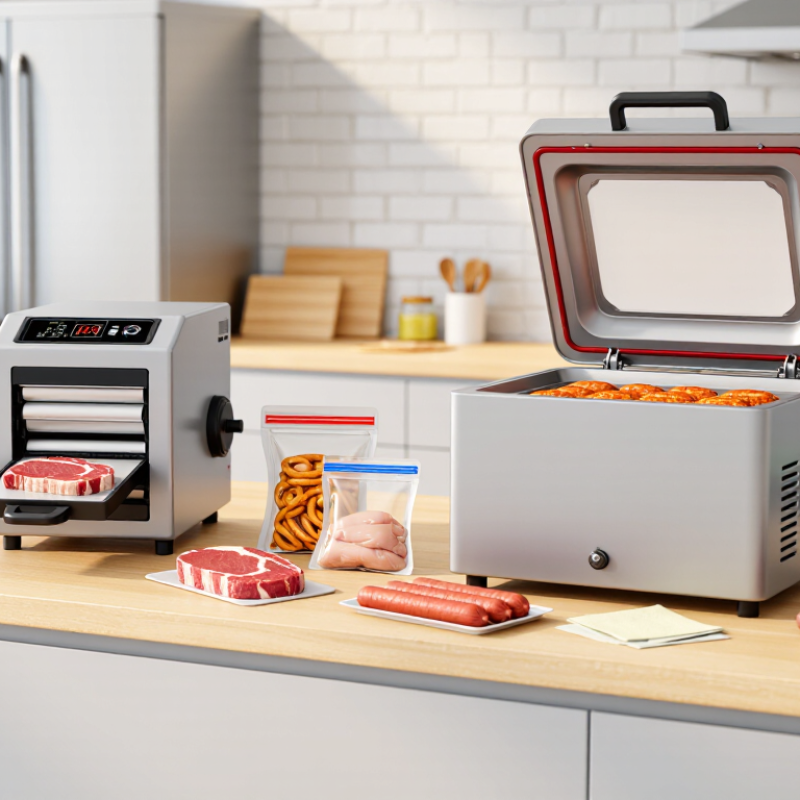
Compare external suction models with chamber machines. External models often suit dry, solid foods and lighter workloads. Chamber models can handle liquids more reliably, but they usually need more counter space and investment. Check the usable seal width against your largest bag, and confirm that replacement bags are easy to source. A narrow seal can be frustrating when packages contain bulky cuts or uneven edges.
Think beyond the first successful seal. Ask about cleaning steps, pump maintenance, replacement parts, warranty coverage, and access to service. If possible, test the machine with the actual foods and packaging you plan to use; a sample bag of dry rice cannot reveal how a moist marinade behaves. Review the manufacturer’s stated duty cycle rather than assuming advertised speed equals real production capacity. Not always. Vacuum packaging can help reduce air exposure, but it does not replace proper refrigeration, handling, or storage guidance. This guide will help you weigh practical performance, operating costs, and support before choosing. No machine is perfect for every setup, and a few test runs may change your mind.
Define Your Packaging Needs and Operating Environment
Before comparing machines, map the product and a normal shift. Record package size, daily volume, peak-hour demand, and how often operators change products. A wet fish fillet, a dusty powder, and a sharp-edged part place different demands on seals and chamber interiors. Test the actual product, not an empty bag. Seal failures often show up only when residue reaches the sealing area.
FAO’s 2019 State of Food and Agriculture estimated that about 14% of food is lost between harvest and retail. Vacuum packaging cannot prevent every loss, but the figure makes shelf-life and handling needs worth measuring. Choose the machine around your product’s required barrier, storage temperature, and distribution route. Then inspect the room: available floor space, power supply, humidity, washdown routines, and operator skill all affect reliable output. A compact tabletop unit may fit a small prep room, yet struggle through repeated high-volume cycles. Not always obvious. Ask suppliers to run a timed trial using your bags and product, and record cycle time, seal consistency, and cleanup effort. Leave room for imperfect results; one successful test does not prove a full shift will run smoothly.
Compare Vacuum Machine Types and Packaging Methods
Choosing a vacuum machine is a process-fit decision, not a motor-power contest. Chamber machines evacuate the whole chamber, making them practical for moist products and repeated bag runs. External-suction models usually suit dry goods and smaller batches, but liquids can interfere with sealing. Grand View Research estimated the global vacuum-packaging market at about $29.5 billion in 2023, with projected annual growth of 4.7% through 2030. The Flexible Packaging Association reported $42.9 billion in U.S. flexible-packaging sales for 2023; that figure includes many products, not vacuum bags alone. These reports show market scale, not which machine your line needs.
Packaging method matters just as much. Bags are flexible and simple to change; chamber equipment works with many bag formats. Tray sealing can present products neatly, while thermoforming creates packages from rollstock and may suit higher-volume production. But tooling, film compatibility, changeover time, and seal consistency can outweigh headline speed. A clear pouch that wrinkles around a sharp edge is still a poor package.
Tips
Test your actual product, not an empty sample bag. Check the seal after cooling, inspect corners for leaks, and record cycle time across several runs. For food, vacuum packing does not replace safe handling or required refrigeration. One easy mistake is buying for peak output, then discovering the machine is awkward for everyday batches.
Match Machine Capacity to Product Size and Daily Output
Start with the largest product you will pack, not the average one. Measure its length, width, height, and pouch clearance. A bulky roast or a tray with a raised rim may need a larger chamber than expected. Check the seal bar length too; the pouch must lie flat across it. Small detail. Test the actual product, since sharp edges, moisture, and uneven shapes can affect sealing.
Estimate required throughput from daily demand and available packing hours. For example, 600 packs in six productive hours means 100 packs per hour, before changeovers or cleaning. Compare that target with the machine’s cycle rate using your pouch size and product load. PMMI’s 2024 State of the Industry report puts U.S. packaging machinery shipments at $10.9 billion in 2023, up 5.8% year over year. That growth shows sustained investment, but it does not guarantee a machine will meet your line’s real output. Request a timed product trial.
Allow room for breaks, reloading, and occasional slow cycles. A machine rated for high output may fall short when operators handle large pouches by hand. Check how long it takes to load, seal, and unload a full chamber. I would leave a modest capacity buffer, then validate it during a normal shift. A tidy spreadsheet can still miss awkward products.
How to Choose a Vacuum Packing Machine in 2026 — Match Machine Capacity to Product Size and Daily Output Typical planning ranges for comparing chamber size, bag fit, and production capacity | Machine Type | Typical Usable Chamber
(L × W × H) | Typical Seal Bar Length | Typical Bag Size and Load | Typical Output
(Bags per Hour) | Estimated Output
(Bags per 8-Hour Shift) | Common Product Fit |
| Compact tabletop, single chamber | About 300 × 300 × 75 mm | About 260 mm | Small bags, usually up to about 200 × 300 mm; 1 bag per cycle | 60–120 | 336–672 | Small portions, coffee, cheese, hardware, and occasional low-volume packing |
| Floor-standing, single chamber | About 450 × 450 × 100 mm | About 400 mm | Small-to-medium bags, usually up to about 300 × 400 mm; 1–2 bags per cycle | 120–240 | 672–1,344 | Meat portions, prepared foods, seafood, and regular small-batch production |
| Large single chamber | About 600 × 500 × 120 mm | About 500 mm | Medium-to-large bags, usually up to about 400 × 500 mm; 2–4 bags per cycle when arranged efficiently | 180–360 | 1,008–2,016 | Bulk cuts, larger food portions, trays or components that need additional chamber space |
| Double chamber, alternating workstations | About 700 × 600 × 150 mm per chamber | About 600 mm | Medium-to-large bags; commonly 4–8 smaller bags per cycle, depending on layout | 400–800 | 2,240–4,480 | Continuous batch work with an operator loading one chamber while the other runs |
| Automatic belt-type vacuum machine | Product and bag capacity depend on belt and sealing configuration | Configuration-dependent; often designed for repeated, uniform bag sizes | Typically suited to consistent bags and automated feeding; confirm maximum product height and bag dimensions | 600–1,500 | 3,360–8,400 | High-volume lines with repeatable products, steady feeding, and compatible packaging materials |
Output figures are approximate planning ranges, not guaranteed machine ratings. Shift estimates assume 8 hours with 70% productive operating time; actual results depend on vacuum cycle settings, product loading, bag material, operator handling, and maintenance stops. Check the machine’s usable chamber dimensions and seal length against the filled bag, and leave a clean, flat area above the product for sealing. Confirm final dimensions and throughput with the equipment specification before purchase.
Assess Seal Quality, Controls, Safety, and Maintenance
A reliable vacuum packing machine should create a continuous seal, not just remove air quickly. Inspect several test packs under normal working conditions. Look for channels, wrinkles, or food residue crossing the seal area. A wider seal can offer more tolerance, but only if temperature and pressure remain consistent. Let sample packs cool before checking them; a hot seal may look firm before it has fully set.
Controls should be clear enough for staff to repeat a cycle without guesswork. Adjustable vacuum time, sealing time, and temperature help accommodate different bag materials and contents. Try the settings with the actual bags you plan to use. Small details matter. A confusing display or accidental button press can lead to uneven results during a busy shift. It is tempting to trust a neat-looking seal; that judgment can be wrong. Check sample packs by gently pressing them and watching for air return.
Safety and maintenance deserve equal attention. Check for an accessible emergency stop, stable placement, and guards around hot sealing bars. Keep hands clear during operation. Ask how often seals, gaskets, filters, or pumps need inspection, and whether routine cleaning is straightforward. A simple maintenance log can reveal repeated issues, such as residue building near the sealing strip. Read the machine’s care instructions before using oils or cleaning agents; the wrong product may damage components. No checklist catches everything, so leave time for a real trial run.
How to Choose a Vacuum Packing Machine in 2026
Compare seal consistency, adjustable cycle settings, safety features, and access to routine maintenance parts. Bars show suggested checklist points—not measured product ratings or industry statistics.


