How to Choose the Right Dashboard Instrument in 2026
Choosing a Dashboard Instrument in 2026 starts with the job it must do, not the screen that looks most impressive. A speedometer, temperature gauge, or multi-function display can each suit a different vehicle and driver. The right choice depends on accurate readings, clear visibility, compatible sensors, and a dependable power connection.
Start with the measurements you need to monitor. Check that the instrument supports your vehicle’s signal type and sensor range. Then consider where it will sit. Glare on a bright afternoon can make small numbers hard to read. At night, overly strong lighting can be distracting. Physical dimensions matter, too; measure the available dashboard space before ordering.
Useful specifications include display resolution, refresh behavior, operating-temperature range, and stated accuracy. Compare these details with the manufacturer’s installation guidance, and ask a qualified technician when wiring or sensor compatibility is uncertain. A polished interface does not guarantee reliable data. Neither does a long feature list.
There is no universal best option. Some drivers prefer a simple analog dial. Others need alerts and several readings in one display. Be honest about your habits. A feature you rarely use may add cost and complexity. Even careful research has limits: product descriptions can omit details that become obvious only during installation. That is worth remembering. This guide explains how to assess fit, readability, compatibility, and value before choosing a Dashboard Instrument for 2026.
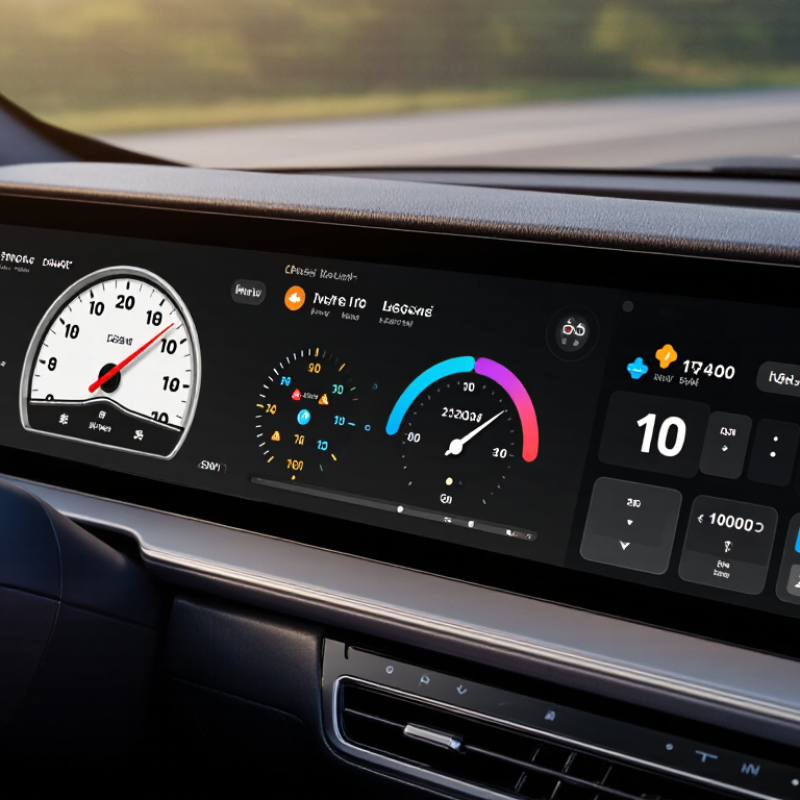
Determine the Dashboard Instrument’s Purpose and Function
A dashboard instrument should solve a specific driving or monitoring problem, not simply fill an empty space. Decide what information matters most: speed, coolant temperature, oil pressure, battery voltage, or another measurable condition. A speed display needs to be easy to read at a glance. A temperature gauge should show meaningful changes before they become urgent. Different jobs require different ranges and levels of detail.
Consider how the instrument will be used. A warning light can signal a fault, but it cannot show whether a reading is gradually changing. A numeric display offers precision, though tiny digits may be hard to read in bright sunlight. Check that the sensor, wiring, measurement range, and units suit the vehicle or equipment.
For example, a gauge that tops out too low may sit at its limit during normal operation. That is not useful. In 2026, digital displays may combine several readings, but more information can also create clutter. It is easy to overvalue extra features. I would rather have one clear, reliable reading than a polished screen that hides the number I need.
Check Vehicle Compatibility and Installation Requirements
How to Choose the Right Dashboard Instrument in 2026
Compatibility starts with your vehicle’s year, trim, engine, and existing display layout. Dashboard instruments may connect through OBD-II, a separate sensor, or a vehicle-specific harness. A matching plug does not guarantee that every feature will work. Check supported protocols, data fields, and any adapter requirements. S&P Global Mobility reported that the average age of U.S. vehicles reached 12.6 years in 2024, highlighting how widely vehicle systems can differ. Confirm compatibility for your exact model year and trim, not just the vehicle name.
Installation matters just as much. Measure the available dash space and cable route before buying. Check that the instrument will not obstruct airbags, controls, vents, or your view of the road. NHTSA recorded 3,308 deaths in distraction-affected crashes in 2022, making clear, glance-friendly placement worth considering. Follow the installation guide, and avoid pinched wires behind trim. Some vehicles may need professional fitting. A tidy setup can still be a poor fit.
Tips: Photograph the dashboard and connector, then compare them with the guide. Check power needs and sleep-mode behavior to reduce battery-drain risk. Measure twice. If your exact year and trim are not listed, ask before drilling or routing cables.
Compare Display Types, Readability, and Essential Features
How to Choose the Right Dashboard Instrument in 2026
A dashboard instrument should make essential information easy to read at a glance. Analog gauges offer familiar shapes and clear needle positions, but provide limited layout flexibility. LCD and TFT screens can show speed, warnings, and trip data together. OLED displays can deliver strong contrast, though performance and readability depend on the design. Check the screen from your normal driving position, not just in a showroom. Can you read it in bright sun? What about at night?
Readability matters more than a long feature list. The National Highway Traffic Safety Administration’s 2013 Visual-Manual Driver Distraction Guidelines recommend that individual glances away from the road stay within two seconds, with total glance time no longer than twelve seconds for a task. These limits concern in-vehicle tasks, not instrument screens alone, but they offer a useful design benchmark. Look for legible numerals, adjustable brightness, clear warning icons, and controls that are simple to understand. A vivid display may impress indoors, yet glare can make it harder to use. The trade-off is easy to miss.
Tips: Compare displays in daylight and darkness. Check whether critical warnings remain visible when other information changes. If possible, test the menus before buying; a screen can be clear but still feel cluttered. Some details only become obvious after a few drives.
Evaluate Accuracy, Durability, and Safety Standards
How to Choose the Right Dashboard Instrument in 2026
Evaluate accuracy under real operating conditions, not just the number printed on a specification sheet. Check the instrument’s stated tolerance and how readings were tested. A temperature gauge, for example, should respond consistently as the engine warms, without sudden jumps or prolonged lag. Compare its display with a trusted reference during installation. Small differences matter. A neat reading is not always a correct one.
Durability depends on the environment behind the dashboard. Cabin heat, vibration, dust, and occasional moisture can gradually affect sensors, wiring, and connectors. Look for clear operating-temperature limits and sturdy, well-sealed connections. If possible, inspect the housing and cable strain relief in person. Some tests happen on a clean bench, though real vehicles are less forgiving. I would not treat a short warranty as proof of poor quality, but I would ask what it actually covers.
Safety documentation deserves equal attention. Confirm that the instrument and its installation method meet standards applicable to the vehicle and region. Ask for test records or conformity documents, not just a vague safety claim. Check whether the display remains legible in bright sun and dim conditions, and whether wiring instructions specify suitable circuit protection. A gauge that distracts the driver or gives misleading readings can create risk. Fitment also matters: an awkward viewing angle may look acceptable while parked, then prove difficult on the road.
How to Choose the Right Dashboard Instrument in 2026
Speedometer accuracy: the chart compares actual road speed with the upper indication limit specified by UNECE Regulation No. 39 for applicable vehicle categories.
Under the regulation’s applicable test conditions, indicated speed must not be below actual speed and must not exceed 1.1 × actual speed + 4 km/h. When comparing instruments, also check documented environmental durability testing and confirm that warning indicators meet the vehicle’s applicable safety requirements.
Select an Instrument That Fits Your Budget and Needs
Choose a dashboard instrument by matching its job to your actual driving, not by choosing the most feature-packed option. A temperature gauge, for example, is useful if you need quick readings at a glance. A compact digital display may suit a vehicle with limited dash space. Check that its measurement range, units, and sensor type match your vehicle’s requirements. Compatibility matters more than a polished face.
Set a firm budget before comparing options. Include more than the purchase price: wiring, sensors, mounting hardware, and professional installation can add up. A low-cost instrument may need extra adapters, while a pricier one may include the parts you need. Read the specifications and installation guidance carefully. If a measurement range or fitment detail is unclear, ask a qualified technician before buying. Guessing can waste money.
Consider how you’ll use it every day. Can you read it in bright sunlight? Are the markings clear from your normal driving position? Keep it simple. Extra alerts and displays are only helpful when they answer a real need. One easy mistake is paying for data you rarely check. Still, the cheapest option is not always the best value; poor visibility or difficult installation can become a daily annoyance. A small sketch of your dashboard and a list of essential readings can help narrow the choices.


