How to Choose the Best EV Charger for Your Needs?
Choosing the right EV Charger is essential in today's electric vehicle landscape. As electric cars gain popularity, the demand for efficient charging solutions grows. Industry expert Lisa Chen, a consultant for EV charging infrastructure, emphasizes, "Selecting the appropriate EV charger can enhance your driving experience and save you time."
When considering an EV charger, several factors come into play. Power levels, charging speeds, and compatibility with different vehicle models are crucial. However, many drivers overlook their specific needs. A charger that works for one driver may not suit another. It’s vital to reflect on your daily routines and charging patterns.
In this evolving market, reliability matters. Investing in a charger with proven durability can prevent future inconveniences. Think about where you will install it and the available power supply. These decisions can impact performance. Adapting to this new technology requires careful thought, but the right EV charger can make the transition smoother.
Understanding Different Types of EV Chargers Available on the Market
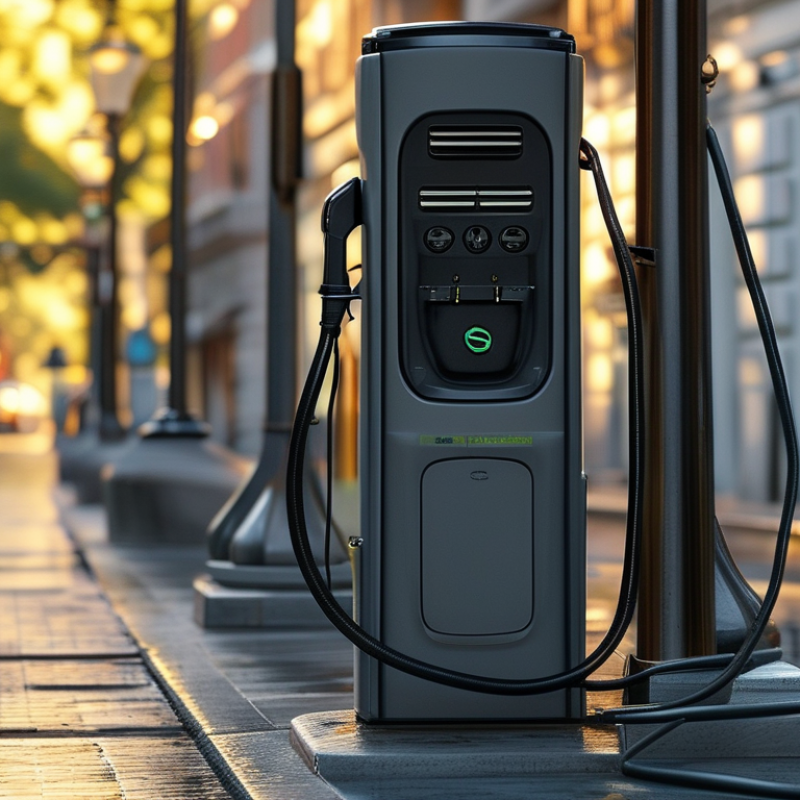
Electric vehicle (EV) chargers come in various types, each suited for different charging needs. The most common categories are Level 1, Level 2, and DC Fast Chargers. Level 1 chargers utilize a standard household outlet. They are affordable and easy to install but offer slow charging rates, usually around 4 to 5 miles of range per hour. This option is ideal for overnight charging at home.
Level 2 chargers provide a significant upgrade. They are commonly found in public charging stations. These chargers can deliver up to 25 miles of range per hour. A study by the Department of Energy reveals that around 80% of EV owners use Level 2 chargers at home. This indicates the growing reliance on more potent charging solutions. The installation costs can be higher, but the convenience often justifies this expense.
DC Fast Chargers are game-changers for long-distance travel. They can deliver an 80% charge in as little as 30 minutes. However, they are less common for home use. Many installers express concern about their compatibility with all EV models. Understanding these options is vital for effective decision-making. Not all chargers suit every EV, making careful selection crucial. The market is evolving rapidly, but knowing your charging needs will guide you toward the best choice.
Assessing Your Vehicle's Charging Needs and Compatibility
When choosing an EV charger, assessing your vehicle's charging needs is crucial. Each electric vehicle has specific requirements based on its battery capacity and charging technology. For example, a standard Level 2 charger suits most home setups. It provides a good balance of speed and efficiency. However, some vehicles have fast-charging capabilities that demand more power.
Consider how often you drive. If your daily commute is short, a basic charger may suffice. But for longer trips, investing in a higher-tier model could be wise. Look into your vehicle's compatibility with various charging stations. This information is readily available in the vehicle's manual. Not every charger works with every model, and confusion can lead to frustrations.
It's also essential to evaluate installation requirements. Some chargers may need professional installation while others are plug-and-play. Analyze your garage space and electrical system. Could a heavy-duty outlet handle a more powerful charger? Reflect on these details to make an informed choice. The right charger can enhance your driving experience and ensure a reliable power source.
Evaluating Charging Speed and Power Output Options
When selecting an EV charger, it's crucial to evaluate charging speed and power output. The charging speed is typically measured in kilowatts (kW). Higher kW means faster charging. Level 1 chargers usually deliver about 1.4 kW, while Level 2 chargers can provide 3.7 kW to 22 kW. This difference impacts how quickly your vehicle can recharge at home or in public stations.
Tips: Consider your daily driving habits. If you only make short trips, a Level 1 charger may suffice. However, if you're on the go frequently, investing in a Level 2 charger can minimize downtime.
Power output is another vital factor. A charger with a higher power output can support multiple vehicles or higher-capacity batteries efficiently. However, not all EVs can accept the maximum power available. Always check your vehicle's specifications to match it with the charger capabilities. This avoids wasted investment and potential frustration.
Tips: Evaluate your power supply. Make sure your home can handle the charger’s requirements. Upgrading your electrical system might be necessary, which could increase your costs. Consider all aspects before making the final choice to ensure you meet your needs without overspending.
Considering Installation Requirements and Location Challenges
When choosing an EV charger, installation requirements and location challenges significantly impact your decision. Research indicates that 80% of EV users charge at home. This means your home’s electrical capacity is crucial. If you're in an older home, your circuit may not support a high-power charger. Upgrading your electrical system can be costly and time-consuming.
Consider where you park. If your garage is detached, running a cable can be a hassle. The installation might require digging or additional permits, which can add to expenses. According to a 2023 study, nearly 30% of installations face delays due to location issues. Parking in multifamily units presents similar challenges, often necessitating permission from property management.
Planning ahead can save you money and headaches. Evaluate your typical charging habits. Do you drive long distances regularly? If so, a higher-capacity charger makes sense. However, if your daily commute is short, a slower charger might suffice. Balancing your charging needs with installation constraints will lead to a more efficient choice.
How to Choose the Best EV Charger for Your Needs? - Considering Installation Requirements and Location Challenges
| Charger Type | Charging Speed (kW) | Installation Complexity | Location Suitability | Cost Estimate |
| Level 1 Charger | 1.4 kW | Easy | Home & Garages | $300 - $600 |
| Level 2 Charger | 7.2 - 22 kW | Moderate | Home, Parking Lots | $500 - $1,500 |
| DC Fast Charger | 50 - 350 kW | Complex | Highway, Commercial | $10,000 - $50,000 |
| Solar EV Charger | Varies | Moderate to High | Home, Eco-Friendly Areas | $1,000 - $4,000 |
Examining Cost Factors and Long-term Savings of EV Chargers
When choosing an EV charger, cost factors play a crucial role. The initial cost often includes the charger itself and installation costs. The price range can vary significantly, from a few hundred to several thousand dollars. It is essential to evaluate your specific needs. A more expensive model may offer faster charging but may not always be necessary for low daily mileage.
Long-term savings are another key consideration. A home charger can reduce charging costs compared to public stations. Electricity rates vary, so consider your local rates when estimating savings. Additionally, some EV chargers may come with advanced features like smart charging. While they may cost more upfront, the ability to charge during off-peak hours can significantly lower your energy bill.
It's also important to think about your driving habits. If you regularly drive long distances, investing in a faster charger can save time. However, if your driving is mostly around town, a basic model might suffice. Reflecting on your typical usage can guide you in making an informed choice. Balancing cost with practical usage will lead to better long-term satisfaction.


