+1 (281) 855-2218

China Top 10 Nozzle Hydrant Suppliers for Global Buyers

Choosing a Nozzle Hydrant supplier is not just a price comparison. Buyers need dependable flow, durable materials, compatible connections, and clear product documentation. A small detail matters: thread dimensions must match the local system, or installation can become costly.

NFPA’s report, Fire Loss in the United States During 2023, estimated 1.39 million fires that year. That figure describes U.S. fire activity; it does not measure hydrant demand or prove that any product prevents loss. NFPA 291 provides guidance for hydrant flow testing, while AWWA Manual M17 addresses hydrant installation, field testing, and maintenance. These references help buyers ask better questions about performance and upkeep.

Look for evidence, not slogans. Request flow-test records, material specifications, pressure ratings, coating details, and applicable third-party approvals. Check whether the supplier can provide spare parts and technical support after delivery. Ten suppliers may offer similar-looking products. Their documentation and service can differ sharply.

One limitation deserves candor: no source material was supplied here to verify a named Nozzle Hydrant expert’s quotation. Inventing a quote would weaken trust. The practical principle is simpler: verify each claim against test records and recognized standards. Start with the supplier comparison, then assess which manufacturers can substantiate quality for your project, region, and operating conditions.
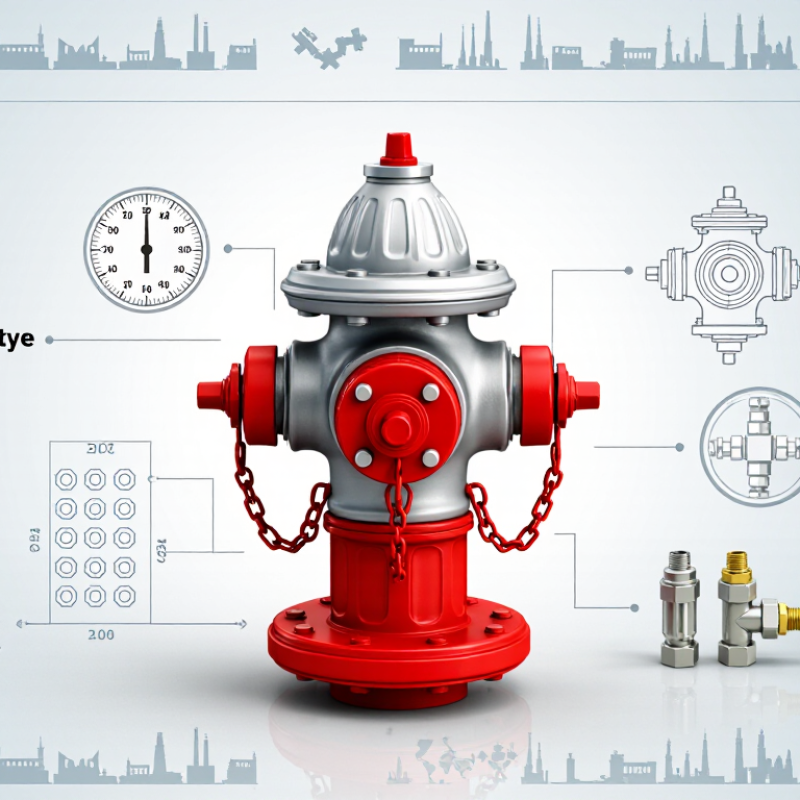
China Top 10 Nozzle Hydrant Suppliers for Global Buyers

What Nozzle Hydrants Are and How They Work

A nozzle hydrant is a fixed outlet connected to a pressurized water main. Its valve controls water flow, while the nozzle directs the discharge into a hose or toward a target. In supplier catalogs, “nozzle hydrant” can describe different outlet arrangements, so buyers should confirm connection size, pressure rating, materials, and operating method. A handwheel may open the valve gradually; a sudden turn can create a pressure surge. The sound is unmistakable.

NFPA’s report, Fire Loss in the United States During 2022, estimated 1,504,500 fires that year. The figure shows why dependable water access matters, though it does not measure hydrant performance. NFPA 291 provides guidance for hydrant flow testing, including measuring flow and residual pressure. Those readings help assess local supply; a hydrant’s appearance alone cannot confirm its available flow. Field conditions matter. Sediment, corrosion, or a partly closed upstream valve can change results.

Tips: Check outlet threads and cap fit before ordering. Ask for pressure and flow-test records, plus installation and maintenance instructions. Match the nozzle to the hose and intended stream; small mismatches can cause leaks or awkward handling. Verify local specifications with a qualified fire-protection professional.

Main Types and Technical Features of Nozzle Hydrants

Nozzle hydrants are commonly classified by barrel design: wet-barrel and dry-barrel models. A wet-barrel unit keeps water in the body and provides separate outlet valves for direct access. Dry-barrel units drain after closure, reducing freeze exposure in colder locations. That distinction matters. Climate, installation depth, and drainage conditions should guide selection, not price alone.

Outlet configuration is another key difference. Common arrangements include one or more threaded or flanged nozzles, with sizes and thread forms varying by market. Check mating equipment carefully. Outlet caps, cap chains, and clear markings help crews identify connections and keep debris out. Operating nuts, stem seals, and internal waterways also affect operating effort, leakage risk, and maintenance intervals. Small details matter.

Buyers should compare working-pressure ratings, body materials, corrosion protection, flow capacity, and operating torque against project specifications. Request dimensional drawings and pressure-test records, then confirm that the delivered unit matches the approved configuration. Field experience suggests drainage and access clearance are easy to overlook. Even a robust hydrant can be difficult to use if buried too deeply or blocked by paving. Testing plans should follow local requirements and product instructions; one checklist may not suit every site.

How to Evaluate Chinese Nozzle Hydrant Suppliers

Evaluating a Chinese nozzle hydrant supplier starts with the product, not the catalog. Ask for drawings showing inlet dimensions, outlet size, operating pressure, and materials. Compare these details with hydrant systems used in your target market. Small mismatches matter. An adapter may fit on paper but leak during repeated coupling.

Request recent test records for flow, pressure resistance, leakage, and coating adhesion. Check whether each report identifies the tested model and production batch. During a factory review, observe machining, assembly, and final inspection—not only the showroom. Ask how rejected units are recorded and corrected. That answer can reveal more than a polished presentation. Evidence varies.

Review material specifications, traceability, warranty terms, spare-part availability, and export packaging. Get a sample and inspect its threads, nozzle movement, finish, and fit with your own equipment. Clarify whether the quoted price includes testing, documents, and protective caps. Compare promised lead times with actual production capacity, especially during peak orders. A capable supplier may still communicate poorly. Test response quality with technical questions before committing. No single certificate settles the question; practical checks can expose details a document misses.

China’s Top 10 Nozzle Hydrant Suppliers for Global Buyers

China’s Top 10 Nozzle Hydrant Suppliers for Global Buyers should be compared by product evidence, not catalog claims alone. Start with the hydrant’s intended setting: a municipal street, industrial site, or facility with limited access. Check nozzle size, outlet configuration, operating pressure, and connection type against the project drawings. Details matter.

Ask shortlisted suppliers for material specifications, dimensional drawings, pressure-test records, and coating information. Castings should be free from visible defects, while threads and flanges should match the buyer’s installation requirements. A tidy product photo cannot confirm either point. Request samples or a live inspection when order volume justifies the cost. Some buyers skip this step, then discover that a small interface difference delays installation.

For cross-border purchasing, clarify packaging, spare-part availability, production lead time, and export documents before confirming an order. Ask how each supplier handles inspection failures and replacement parts. Compare like with like: test conditions and quoted specifications should be stated clearly. I would not assume that a long supplier list means every candidate fits the same project. One uncomfortable detail remains: paperwork can look complete while the actual product varies between batches. Independent checks may help, especially for large orders.

Export, Certification, and Purchasing Considerations for Global Buyers

For global buyers comparing nozzle hydrant suppliers, export readiness means more than a low quotation. Confirm the nozzle type, rated pressure, body material, inlet connection, and coating before comparing prices. Ask for technical drawings and test reports tied to the exact model offered. Certification requirements vary by destination and project; check the certificate’s scope, issuing body, validity, and model coverage. A document may look complete but describe a different product. Easy to miss.

Before placing a large order, agree on inspection steps, packing details, lead time, and delivery terms in writing. Check that dimensions match the hydrant system already installed, especially thread or coupling specifications. For a first purchase, a sample or pre-shipment inspection can reveal fit and finish issues that photographs hide. Export documents should match the goods and destination requirements. Confirm responsibilities for freight, insurance, and any required import paperwork with the relevant parties. No checklist catches everything.

Tips: Keep one approved specification sheet for every supplier quote. Record open questions, including test conditions and spare-part availability. If an answer is vague, ask for evidence before paying a deposit.

China Top 10 Nozzle Hydrant Suppliers for Global Buyers - Export, Certification, and Purchasing Considerations for Global Buyers

Anonymous buyer-evaluation framework, not a verified supplier ranking. Supplier-specific identities, capabilities, certifications, and export records have not been independently established here. Confirm all claims directly with each manufacturer and the relevant destination-market authorities.

Shortlist Slot Product-Sourcing Focus Key Technical Details to Compare Evidence to Request Export and Purchasing Checks
01 Adjustable fire-fighting nozzles Flow range, spray-pattern adjustment, inlet connection, materials, and operating pressure stated on the datasheet. Product datasheet, material declaration, dimensional drawing, and test reports for the offered model. Confirm the required hose coupling and thread standard with the buyer; request a pre-shipment sample where fit is critical.
02 Straight-jet and selectable-pattern nozzles Specified flow and pressure points, jet performance, shutoff arrangement, inlet size, and corrosion-resistant construction. Test method and results tied to the exact model and configuration; clarify whether results are factory-tested or independently witnessed. Compare performance at the same pressure and flow conditions; confirm packaging protects the nozzle and coupling during transport.
03 Hydrant outlet nozzles and adapters Outlet connection type, nominal size, thread or coupling standard, sealing method, and pressure rating. Connection drawings with tolerances, thread identification, pressure-test records, and material specifications. Do not assume connections are interchangeable across markets; approve a mating sample or verified interface drawing before ordering.
04 Hydrant branch pipes and nozzle assemblies Assembly length, inlet and outlet interfaces, valve or shutoff options, pressure rating, and applicable material grades. Assembly drawing, bill of materials, inspection plan, and test records covering the complete assembly. Specify whether components must be supplied as one tested assembly or as separate parts; list included accessories in the purchase order.
05 Fire-hose nozzles with local-market couplings Coupling standard and size, gasket material, thread details where relevant, and nozzle-to-hose compatibility. Dimensioned interface drawings and documented compatibility with the buyer's hose and hydrant connection. State the destination-market connection requirement in the RFQ; avoid relying on nominal size alone to establish compatibility.
06 Corrosion-resistant nozzles for demanding environments Base metal or alloy, coating system, elastomer type, and suitability for the intended water and environmental conditions. Material certificates where specified, coating details, and test evidence appropriate to the agreed service conditions. Define the exposure conditions and acceptance criteria; do not treat a material or coating description as proof of service life.
07 Nozzles supplied with hydrant-system components Interface compatibility, system pressure requirements, component scope, and whether the nozzle is included in the system approval. System bill of materials, component-level documentation, and any applicable third-party approval covering the offered configuration. Check that approval documents name the relevant model and configuration; approval of one component does not automatically cover others.
08 Custom or private-label nozzle orders Drawing revision, branding and marking requirements, packaging, minimum order quantity, and change-control process. Approved pre-production sample, signed drawing, inspection criteria, and written confirmation of tooling and intellectual-property terms. Agree ownership of custom tooling, sample approval milestones, and remedies for unauthorized design or marking changes.
09 Nozzles for regulated destination markets Applicable product rules, required language and markings, traceability, and accepted conformity-assessment route in the destination country. Current certificates or declarations, scope and validity details, issuing-body information, and supporting test reports for the exact product. Verify requirements with the importer or competent authority. ISO 9001 concerns quality management and is not, by itself, product approval.
10 Export-ready nozzle orders and repeat supply Production lead time, batch traceability, inspection plan, spare-part availability, and packaging specification. Commercial invoice and packing-list capability, country-of-origin documentation where applicable, inspection records, and references that can be checked. Agree Incoterms® 2020, shipment responsibility, HS classification with a qualified customs adviser, payment milestones, and pre-shipment inspection terms.

Standards and certification requirements depend on product type and destination market. For example, EN 14384 addresses pillar fire hydrants and EN 14339 addresses underground fire hydrants; these standards should not be assumed to certify a standalone nozzle. Verify the applicable requirements and the validity and scope of all submitted documents before purchase.

SHOP BY BRAND