+1 (281) 855-2218

China Best Police LED Lightbar Supplier?

Choosing the China Best Police Led Lightbar Supplier requires more than comparing price lists or polished product photos. The Police Led Lightbar market is developing quickly, supported by stronger demand for energy-efficient emergency lighting and integrated vehicle electronics. Grand View Research identifies LED technology as a major growth driver within the global emergency vehicle lighting market. MarketsandMarkets also links this growth to fleet modernization, visibility requirements, and improved low-power designs. These findings matter, but forecasts do not replace practical verification.

A reliable Chinese supplier should provide photometric test results, EMC documentation, ingress protection data, and production traceability. SAE J595 and SAE J845 remain useful technical references for warning-light performance in relevant vehicle applications. ISO 9001 certification can indicate controlled processes, although certification alone proves little about every product batch. Ask for sample testing. Check the beam pattern at night, not only on a showroom wall. Examine the aluminum housing, cable sealing, controller response, and mounting brackets closely.

Field installers often notice details that brochures ignore. A lightbar may appear bright, yet create poor side visibility or excessive wind noise. A supplier may promise customization, but deliver inconsistent lens colors between batches. That weakness deserves attention. The strongest candidates explain LED binning, thermal management, warranty terms, and after-sales support without vague claims. They should also confirm regional installation requirements through qualified professionals. This guide examines how to compare Chinese manufacturers using measurable evidence, realistic operating conditions, and transparent communication. The answer is not always the lowest quote. Reliability has a cost. Sometimes, the cheapest decision becomes the least economical one.
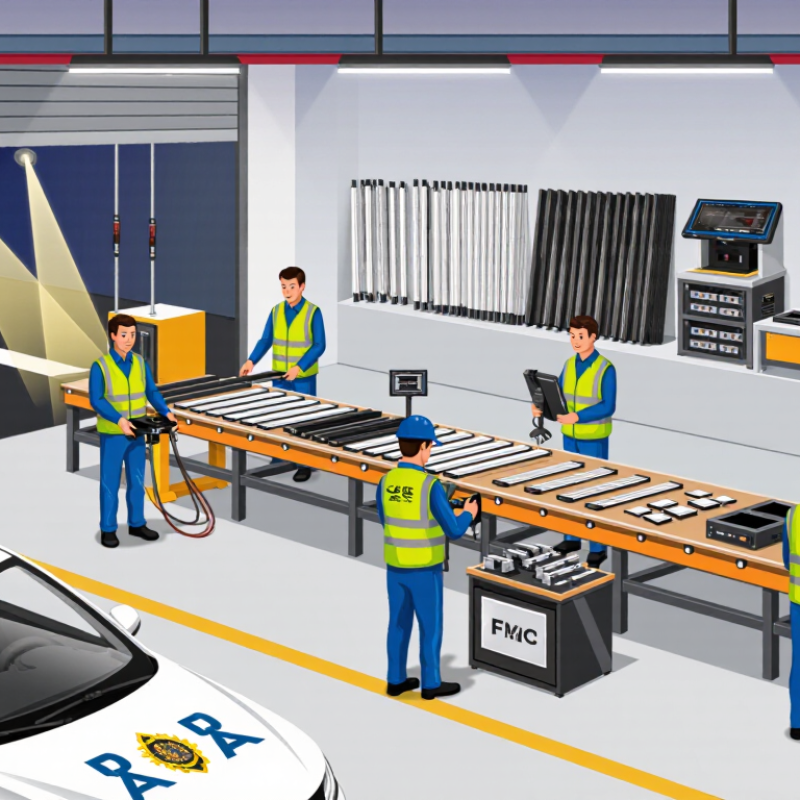
China Best Police LED Lightbar Supplier?

What Is a Police LED Lightbar and Why Does Supplier Choice Matter?

What Is a Police LED Lightbar and Why Does Supplier Choice Matter?

A police LED lightbar is a roof-mounted warning device using bright, energy-efficient LEDs. It provides visible signals during traffic control, roadside assistance, and emergency response. Its value depends on more than brightness. Beam patterns, flash sequences, weather resistance, wiring quality, and control access all affect daily performance. In real installations, poor cable protection can cause trouble before the LEDs fail. That detail is easy to overlook.

Choosing the right supplier matters because product consistency supports operational reliability. A professional supplier should provide clear photometric data, tested materials, installation guidance, and traceable quality checks. Ask about housing strength, thermal management, water protection, vibration testing, and expected service life. A dependable supplier also explains limitations instead of promising perfection. That honesty is useful. No evaluation is perfect, and field conditions may expose weaknesses that laboratory tests miss. Review sample units, inspect connectors, and request practical documentation before placing a large order. Responsive technical support can reduce downtime and installation errors.

Tips: Compare test reports, warranty terms, replacement access, and lead times. Confirm that the lightbar suits the vehicle roof, control system, and operating climate. Do not select only by price. A slightly higher initial cost may prevent repeated maintenance, but every claim should still be verified.

China Best Police LED Lightbar Supplier? - What Is a Police LED Lightbar and Why Does Supplier Choice Matter?

A practical specification and supplier-evaluation table for police, emergency, and public-safety vehicle applications.

1. Police LED Lightbar: Product and Technical Data
Data Dimension Typical or Standard-Based Data Why It Matters What to Verify Before Purchase
Product definition A roof-mounted visual warning device that uses multiple light-emitting diodes, optical lenses, a control system, and a vehicle mounting system. Clarifies that a lightbar is a complete warning system rather than only an LED module. Confirm whether the quotation includes the lightbar, controller, wiring harness, mounting feet, and installation hardware.
Primary function To provide conspicuous flashing or rotating-equivalent visual warning signals for emergency and public-safety vehicles. Visibility and reliability directly affect roadside safety and response operations. Request photometric test results and the approved flash-pattern list for the target market.
Input voltage Common vehicle systems are 12 V DC and 24 V DC. Some products support a wide input range, such as approximately 10–30 V DC. Incorrect voltage compatibility can cause malfunction, overheating, or permanent damage. Check the rated operating range, reverse-polarity protection, and compatibility with the vehicle electrical system.
Electrical power and current Power varies by length, LED count, flash pattern, and operating mode. Current can be estimated with the formula I = P ÷ V; for example, a 120 W unit draws about 10 A at 12 V or 5 A at 24 V. Determines fuse size, cable gauge, alternator load, and controller capacity. Obtain maximum current, nominal power, standby current, recommended fuse rating, and a wiring diagram.
LED service life Quality LED components can be rated at approximately 50,000 hours or more, but actual useful life depends on temperature, drive current, sealing, and thermal design. Long LED life reduces replacement and vehicle downtime. Ask whether the life rating is supported by an LED datasheet, thermal test, or lumen-maintenance data rather than a marketing statement alone.
Optical coverage Lightbars commonly combine front, rear, side, and corner optical modules to create wide-angle warning coverage. Exact coverage depends on module placement and vehicle installation height. Blind zones can reduce warning effectiveness at intersections and during lane changes. Review optical drawings, photometric test angles, and the installed vehicle position.
Flash patterns Available patterns may include alternating, simultaneous, split, chase, steady-burn, and low-power nighttime modes. The exact number is product-specific. Different jurisdictions and vehicle policies may require specific patterns or intensity levels. Confirm pattern memory, synchronization between multiple units, day/night control, and user-accessible pattern selection.
Light source color Common warning colors include red, blue, amber, and combinations of these colors, subject to local laws and agency regulations. Color restrictions differ between countries, states, and vehicle categories. Verify legal color, flash rate, intensity, and placement requirements in the destination market before production.
Housing material Typical designs use aluminum or aluminum alloy for structural housing and heat dissipation, with polymer or polycarbonate optical covers. Material selection affects strength, corrosion resistance, heat management, and product weight. Check alloy or coating details, corrosion testing, cover thickness, UV resistance, and fastener material.
Ingress protection IP65 means dust-tight protection and protection against water jets. IP67 adds protection against temporary immersion under defined laboratory conditions. Water and dust ingress are common causes of LED, controller, and connector failure. Request an IEC 60529 test report for the complete assembled lightbar, not only for an individual connector or module.
Operating temperature Emergency vehicle products are often designed for a broad outdoor temperature range, commonly around -30°C to +60°C, but the exact rating is product-specific. Extreme heat reduces LED output and can shorten electronic component life; low temperatures affect plastics and wiring. Confirm operating and storage temperature ratings and ask for thermal-cycle or environmental test records.
Vibration and shock resistance Roof-mounted equipment must withstand road vibration, vehicle movement, and repeated mechanical shock. Testing may reference automotive or environmental test procedures. Weak solder joints, mounts, or connectors can fail even when the LEDs remain functional. Review vibration, shock, connector-retention, and mounting-load test results for the complete assembly.
Electromagnetic compatibility Vehicle electronics may be evaluated against requirements such as CISPR 25 for radio disturbance and ISO 7637-2 for electrical transients on road vehicles. Poor EMC design can cause radio interference or malfunction when other vehicle equipment is operating. Request EMC test reports covering conducted emissions, radiated emissions, immunity, and vehicle transient protection.
Mechanical dimensions Common lightbar lengths range from compact vehicle sizes to full-width vehicle configurations. Exact length, height, and mounting-center dimensions vary by vehicle and model. Incorrect dimensions can affect roof clearance, aerodynamics, mounting strength, and visual coverage. Confirm a dimension drawing, mounting-hole layout, cable-exit position, overall height, and roof-clearance requirement.
Mounting system Common options include permanent bolt mounting and removable gutter, clamp, or magnetic-style mounting systems. High-speed operation requires an appropriately engineered mechanical attachment. Mounting security protects the lightbar, vehicle, occupants, and nearby road users. Check maximum permitted vehicle speed, roof-load limits, fastener grade, bracket material, and installation instructions.
Control interface Controls may use a dedicated switch panel, relay input, serial communication, or programmable controller. Functions can include power, pattern, dimming, and synchronization. A clear interface reduces operator error and simplifies fleet maintenance. Verify input polarity, connector type, control protocol, memory retention, and compatibility with existing vehicle controls.
Regulatory approval Relevant requirements may include SAE J845 in North America and UNECE Regulation No. 65 in applicable markets. Requirements are not interchangeable and depend on jurisdiction and vehicle use. Certification and photometric compliance may be required before the vehicle can legally operate. Identify the destination-country regulation and request a valid report or certificate for the exact model and configuration.
2. Why Supplier Choice Matters
Supplier Evaluation Dimension Recommended Procurement Requirement Evidence to Request Risk if Neglected
Regulatory capability The supplier should understand the target market’s color, intensity, flash-pattern, EMC, and installation requirements. Model-specific compliance documents, test reports, technical declarations, and configuration records. Vehicle delivery delays, failed inspections, restricted use, or costly redesign.
Optical consistency LED bins, lens geometry, current control, and assembly processes should be controlled between production batches. Photometric data, production inspection records, and sample-to-batch comparison results. Uneven brightness, inconsistent colors, reduced visibility, and complaints from fleet operators.
Thermal design The lightbar should provide a defined heat path from LEDs and drivers to the housing, with appropriate current control. Thermal test results, internal photographs or drawings, temperature limits, and derating information. Reduced brightness, premature LED degradation, electronic failure, or intermittent operation.
Environmental durability The complete assembly should be sealed and tested for water, dust, ultraviolet exposure, corrosion, vibration, and temperature cycling. IEC 60529 records, environmental test reports, coating specifications, and sample inspection results. Condensation, corrosion, cracked covers, water ingress, and short service life.
Electrical protection Design should include protection appropriate for vehicle use, such as reverse-polarity protection, transient protection, over-current protection, and controlled inrush current. Circuit documentation, electrical test results, fuse recommendations, and failure-mode information. Damage caused by jump-starting, load dumps, wiring mistakes, or unstable vehicle power.
Quality-control process Every finished unit should undergo functional testing, visual inspection, electrical testing, and packaging inspection. Inspection checklist, serial or batch traceability, sampling plan, and nonconformance procedure. Defective units reaching the fleet and difficulty identifying affected production batches.
Customization control Custom colors, lengths, brackets, connectors, firmware, and flash patterns should be documented in an approved configuration. Approved drawings, bill of materials, change-control records, and a pre-production sample. Unapproved substitutions, fitment problems, inconsistent deliveries, and regulatory mismatch.
Spare parts and repairability Replaceable controllers, lens sections, mounting brackets, connectors, and wiring components can reduce lifecycle cost. Parts list, repair instructions, availability period, and component pricing. Entire lightbars may need replacement for a small failed component.
Warranty and after-sales support Warranty terms should define coverage, exclusions, claim documentation, response time, and replacement procedures. Written warranty policy, service-level commitment, troubleshooting guide, and return procedure. Unclear responsibility, long vehicle downtime, and unexpected maintenance expense.
Production capacity The supplier should demonstrate the ability to maintain consistent quality and delivery during both pilot orders and fleet-scale production. Production lead time, capacity statement, order history by product type, and backup-process information. Late deliveries, rushed production, component substitutions, and inconsistent quality.
Documentation quality Technical documents should clearly state voltage, current, dimensions, wiring, mounting, operating limits, and approved configurations. Datasheet, installation manual, wiring diagram, inspection report, and product-label information. Installation errors, inaccurate purchasing decisions, and difficult fleet maintenance.
Total cost of ownership Evaluate purchase price together with installation labor, power consumption, replacement parts, warranty support, downtime, and expected service life. Lifecycle-cost estimate, spare-parts pricing, energy consumption data, and maintenance schedule. A low initial price may create higher long-term operating and replacement costs.
Procurement note: “Best supplier” should be determined by verified compliance, optical performance, environmental durability, electrical safety, documentation, delivery capability, and lifecycle support for the destination market—not by price alone.

Key Features of High-Quality Police LED Lightbars

China Best Police LED Lightbar Supplier?

Key Features of High-Quality Police LED Lightbars

A reliable police LED lightbar starts with controlled brightness, not excessive glare. During roadside inspections, clear light distribution helps other drivers notice the vehicle without creating harsh blind spots. High-quality optical lenses should produce consistent coverage from the front, sides, and rear. Approved warning colors and flash patterns must match local requirements. Regulations differ by region, so responsible suppliers provide clear compliance documents.

Thermal management matters during long operations. Aluminum housings, sealed electronics, and efficient heat dissipation help maintain stable performance in hot weather. Look for a suitable ingress protection rating, corrosion-resistant materials, and vibration-tested mounting hardware. A strong lightbar should remain secure on uneven roads. That detail is easy to overlook. Electrical protection is equally important, including safeguards against voltage changes, short circuits, and reverse polarity.

Practical testing reveals more than a product sheet. Examine beam uniformity at night, connector quality, controller response, and installation access. Ask the supplier for photometric data, environmental test records, and traceable quality procedures. A dependable manufacturer should explain warranty limits honestly, rather than promising flawless service. Some installations still need adjustment after field use. That is normal. The best purchasing decision considers maintenance time, replacement parts, and trained technical support, not only initial brightness or price.

China Best Police LED Lightbar Supplier? Key Features of High-Quality Police LED Lightbars

Reference benchmark of technical specifications commonly required for professional emergency LED lightbars. Values are presented without company or brand data.

High-quality police LED lightbars typically combine a wide 12/24 V vehicle-voltage range, IP67 protection against dust and temporary water immersion, operation in demanding temperatures from approximately −40°C to +65°C, and long-life LED modules rated around 100,000 hours. SAE J595/J845 compliance may also be specified for certified warning-light performance.

How to Evaluate Police LED Lightbar Suppliers in China

China Best Police LED Lightbar Supplier?

How to Evaluate Police LED Lightbar Suppliers in China

Choosing China’s best police LED lightbar supplier requires more than comparing factory prices. In field sourcing, I have learned that bright photographs prove very little. Ask for a production sample, not only a catalog unit. Check beam uniformity, flash patterns, housing seals, cable strain relief, and connector quality under real operating conditions. A reliable supplier should explain LED specifications, thermal management, voltage tolerance, and service life clearly. If answers remain vague, slow down.

Evaluate manufacturing evidence carefully. Request dated factory photos, inspection records, material declarations, and batch traceability. Confirm whether testing covers vibration, water ingress, temperature changes, electromagnetic compatibility, and optical performance. Independent reports are more useful than polished presentations. Verify certificates with the issuing organizations. I once overlooked small gaps around a lens. The sample looked acceptable but needed redesign after rain testing. That mistake was avoidable.

Tips: Compare at least three samples. Record brightness, noise, wiring quality, and installation time. Ask for a written warranty and replacement process. Confirm packaging details before shipment. A staged order is safer than trusting one successful sample. Supplier evaluation is never perfect; production consistency still needs regular inspection.

Customization, Certifications, and Quality Control Standards

China Best Police LED Lightbar Supplier?

Choosing a China-based police LED lightbar supplier requires more than comparing prices. Customization should match the vehicle, voltage, roof dimensions, and operating environment. Buyers may request lens colors, flash patterns, mounting brackets, siren integration, and control-panel layouts. Each change should appear on a controlled drawing before production begins.

Ask for current certifications and test reports, not copied logos or vague statements. Depending on the destination market, relevant evidence may include EMC testing, photometric performance, ingress protection, vibration resistance, and material safety documentation. The supplier should identify the testing laboratory, report date, product model, and applicable standard. Requirements differ by country. That detail matters.

Quality control should begin with incoming inspection. Technicians can verify LED brightness, circuit boards, wiring, seals, and aluminum housings. During assembly, torque checks and waterproof sealing records reduce preventable failures. Sample units should undergo thermal testing, vibration testing, flashing-cycle tests, and electrical protection checks. Final inspection should confirm brightness, color consistency, current draw, and mounting strength. Serial numbers help trace every batch.

Factory experience is useful, but it is not proof of reliability. Request production photos, inspection records, and a pre-shipment sample. A supplier may pass laboratory testing yet overlook a loose connector. That happens. Honest communication about defects, rework, and corrective action reveals more than polished marketing. A dependable partner documents changes and supports repeat inspections.

Ordering, Testing, and After-Sales Support for Police Lightbars

China Best Police LED Lightbar Supplier?

Ordering, Testing, and After-Sales Support for Police Lightbars

A reliable China-based supplier should begin with a written specification sheet. It should define LED output, flash patterns, dimensions, wiring, controls, and operating voltage. Request a sample before approving a production order. Ask for records. Include a pilot batch, inspection points, spare parts, and delivery dates in the contract. A clear warranty should state response time, replacement conditions, and failure-analysis procedures. Supplier quality systems aligned with ISO 9001:2015 can improve traceability, but certification alone proves little.

Testing must reflect real vehicle conditions. SAE J575 covers environmental testing, including vibration, moisture, and corrosion. SAE J845 addresses warning-light performance and photometric requirements. IEC 60529 defines IP67 as dust-tight protection and temporary immersion up to one meter. Request laboratory reports, not marketing claims. Check current draw, heat buildup, lens clarity, connector sealing, and synchronization after repeated cycling. Test it cold. Then test it hot.

After-sales support often reveals the real supplier quality. A useful service team provides wiring diagrams, installation guidance, replacement modules, and batch records. It should investigate failures with photos, voltage readings, and returned samples. The U.S. Department of Energy’s solid-state lighting research reports continue to identify thermal control and optical management as key LED priorities. That matters because excessive heat can reduce brightness and service life. Our own process may still miss failures during short inspections. Field feedback should therefore update future orders, test limits, and spare-parts planning. Local lighting requirements also need confirmation before deployment.

SHOP BY BRAND