What is Branch Shredder and How to Choose the Best One?
A Branch Shredder is an essential tool for gardeners, landscapers, and property owners. It helps to manage yard waste efficiently. With many models available, selecting the best one can be confusing. The right choice depends on various factors, including the size of your yard, the type of branches you need to shred, and your budget.
When considering a Branch Shredder, think about its capacity and power. Electric models are quieter and easier to handle, while gas-powered ones offer more strength. It's also valuable to evaluate the design and portability of the machine. A heavier shredder might be less mobile but could handle larger jobs better.
However, the best choice often lies in personal need. You may find that a highly rated machine doesn’t fit your specific requirements. Therefore, research and reflect on your actual needs. Reading reviews from other users can help guide your decision. Ultimately, the perfect Branch Shredder is one that balances power, efficiency, and usability for your unique situation.
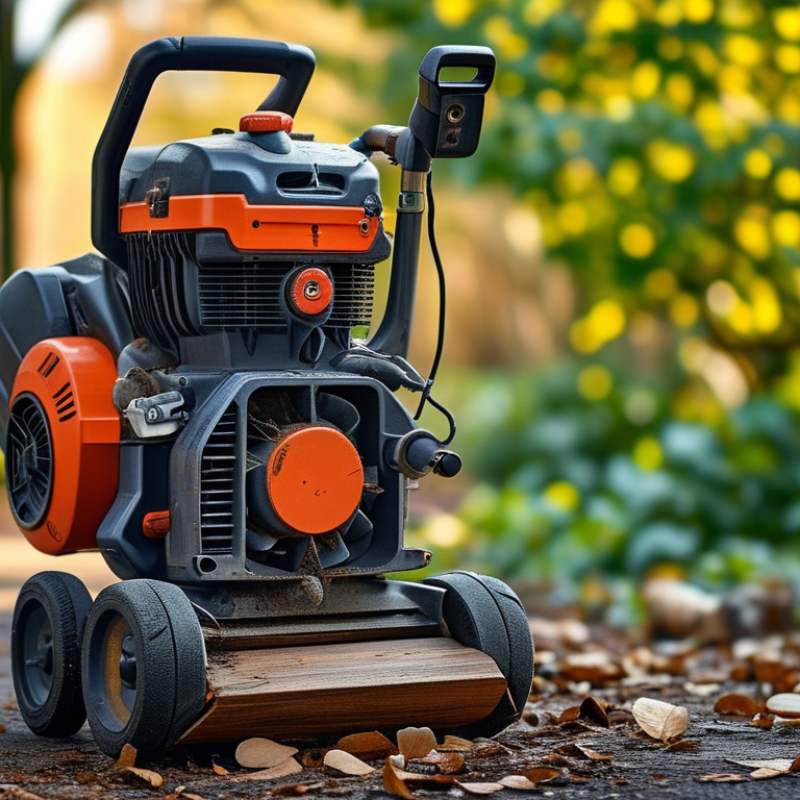
What is a Branch Shredder and Its Main Functions
A branch shredder is a powerful tool designed to cut and recycle branches and yard waste. It serves multiple functions, making yard maintenance much easier. By chipping branches, it reduces their volume, converting them into mulch or compost. This process not only saves space but also enriches the soil.
One vital aspect to consider is the size of the branches you aim to shred. A smaller shredder may struggle with large limbs. Match the shredder's capacity to your needs. Assess the engine power as well; more horsepower helps in handling tougher materials.
Tips: Always check the safety features of the shredder. Look for machines with automatic shut-off capabilities. This ensures you stay safe while operating it. Additionally, consider noise levels. Some machines can be quite loud, which may be disruptive in residential areas. Being aware of noise regulations is crucial for compliance.
Types of Branch Shredders: Gas, Electric, and Manual Options
When selecting a branch shredder, understanding the different types is essential. Gas-powered shredders are powerful and ideal for large properties. They can handle thicker branches and deliver robust performance. However, they tend to be heavier and require regular maintenance. For users in urban settings or those conscious of emissions, gas models might not be the best fit.
Electric shredders provide a quieter alternative. They are lightweight and often easier to maneuver. These models are perfect for smaller gardens where branches aren’t overly thick. Limited by cord length or battery life, they may not be suitable for larger properties.
Manual shredders are the simplest option. They require physical effort but offer control over the shredding process. However, this can be taxing for larger batches of branches.
Each type has its pros and cons. Assess your needs carefully. Consider your garden size and branch thickness. Think about maintenance, noise levels, and power requirements. Not every shredder fits every need. Take the time to evaluate your options before making a decision.
Key Factors to Consider When Selecting a Branch Shredder
When choosing a branch shredder, several key factors play a crucial role. The size of the machine is one of them. If you have a large property, a larger shredder is generally more efficient. According to industry reports, shredders with a capacity of 3 inches or more can handle most residential needs. Consider the type of wood you will be shredding. Softer woods like pine are easier to shred than dense hardwoods, which can require more power.
Tip: Check the motor power before purchasing. A minimum of 15 to 20 HP is ideal for heavy-duty tasks. This ensures that your shredder can handle thicker branches without stalling.
The design of the shredder is also significant. Look for features like blades that are easy to sharpen and replace. A well-designed machine can save time and maintenance costs in the long run. Noise levels are often overlooked; quieter models may be beneficial for residential areas.
Tip: Test the noise levels if possible. Some shredders can exceed 100 dB, potentially disturbing your neighbors.
Selecting the right branch shredder requires careful consideration. Assess your typical branch size and frequency of use. This will guide you to make a more informed decision tailored to your needs. Balancing power, design, and sound can enhance your gardening practices effectively.
Industry Insights: Average Cost and Performance Metrics
When selecting a branch shredder, understanding its costs and performance is crucial. Industry reports indicate that the average price for a quality branch shredder ranges from $500 to $3,000. Factors influencing the cost include engine size, durability, and features such as self-feeding capabilities. Smaller, electric models tend to fall on the lower end of the price spectrum. In contrast, commercial-grade models can exceed $3,000, offering enhanced power and efficiency.
Performance metrics are essential for evaluating a shredder's effectiveness. A shredder's throughput—measured in pounds per hour—can vary significantly. Certain models can process up to 3,000 pounds of branches daily, while others may struggle with 500 pounds. Users often overlook this aspect, leading to poor purchase decisions. Noise levels, often neglected, range from 85 to 100 decibels, affecting usability. It’s vital to balance power with maintenance costs. Higher efficiency models might save time but can incur more expensive repairs. Understanding these nuances can guide better decision-making, ensuring you get the most performance for your investment.
Branch Shredder Performance Metrics
Maintenance Tips for Optimal Performance of Your Shredder
Regular maintenance of branch shredders is crucial for ensuring optimal performance. A recent industry report found that poorly maintained equipment can lose up to 30% of its efficiency over time. Therefore, regular checks and routine servicing are vital. Keep blades sharp and clean, as dull blades can lead to uneven shredding and increased strain on the motor. A clean machine ensures better performance and longer lifespan.
Checking and tightening all bolts and screws is also necessary. Loose components can affect the shredder's balance and lead to potential breakdowns. Moreover, inspecting belts and cables regularly can help identify wear and tear before they cause failures. It is wise to replace worn parts timely to avoid larger repair costs later.
Storing the shredder in a dry, covered area will protect it from weather damage. If kept outside, moisture can cause rust. Additionally, using the shredder within its operational limits is essential. Overworking the machine not only diminishes its performance but also leads to frequent maintenance requirements. Owners should always refer to the user manual for specific maintenance schedules and guidelines.
What is Branch Shredder and How to Choose the Best One? - Maintenance Tips for Optimal Performance of Your Shredder
| Feature | Description | Recommendations |
| Power Source | Gasoline vs Electric | Choose based on your needs and available power sources. |
| Cutting Capacity | Maximum branch diameter the shredder can handle. | Consider your typical branch sizes when choosing. |
| Weight | It affects portability and maneuverability. | Lighter models are easier to transport. |
| Shredding Mechanism | Different designs include drum vs. rotary. | Drum shredders are typically more powerful. |
| Safety Features | Emergency stop, safety guards, etc. | Always prioritize safety features. |
| Maintenance Requirements | Regular sharpenings, oiling, cleaning. | Follow manufacturer guidelines for upkeep. |
| Price Range | Cost can vary widely based on features. | Set a budget that reflects your needs. |


