Main Menu
Choosing the best gear drive motors for industrial applications starts with the machine, not the catalog. A conveyor moving wet aggregate has different needs from a packaging line running thousands of short cycles. Torque, speed, shock loads, duty cycle, mounting position, and ambient temperature all shape the right choice. Small details matter. A hot gearbox housing or a faint change in operating noise can signal a mismatch before production stops.
Machinery reliability authority Heinz P. Bloch’s published guidance emphasizes that equipment reliability depends on operating conditions and disciplined maintenance, not selection alone. That principle matters when comparing gear drive motors in 2026. This guide examines drive types, efficiency, service factors, materials, controls, and maintenance access. It also considers what manufacturers disclose about ratings and testing. A high-efficiency label is useful, but it does not tell the whole story. Buyers should match published data to their actual load profile and installation.
There is no universal winner. A compact helical unit may suit a quiet, continuous-duty line, while a robust worm drive may fit a different layout or speed requirement. Still, trade-offs deserve scrutiny. Lower purchase cost can bring higher energy use, and a technically impressive motor may be oversized for the task. The comparisons ahead aim to make those decisions clearer, while recognizing that real site conditions can challenge any shortlist. Verify critical specifications with the supplier before ordering.
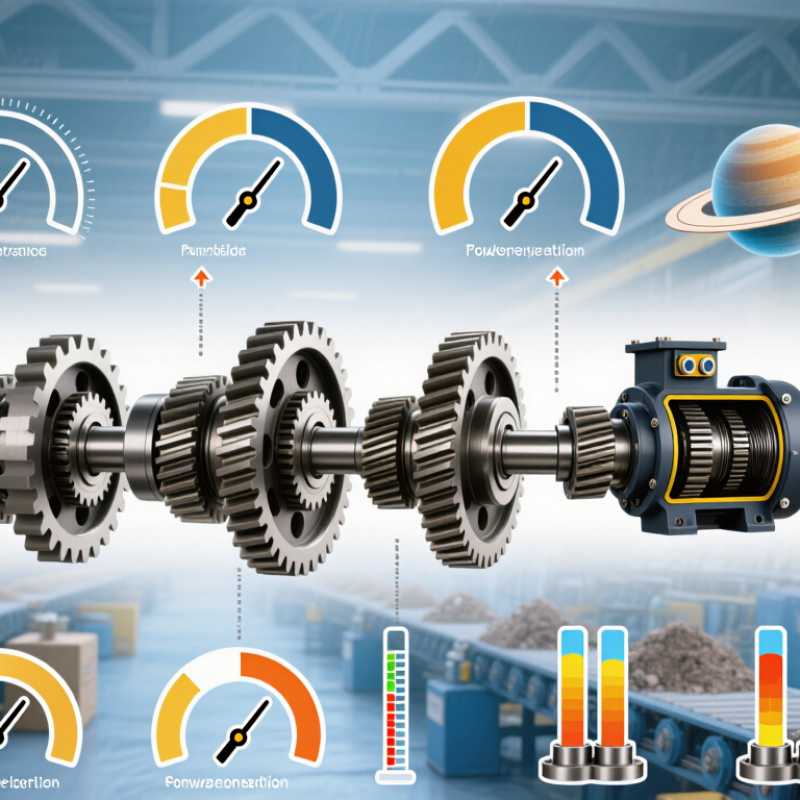
A gear drive motor combines an electric motor with a gearbox. The motor creates rotation; gears change its speed and torque to suit a machine. A conveyor may need slow, steady movement, while a mixer may need stronger turning force. The gearbox’s ratio shapes that output. A 10:1 reduction, for example, cuts speed to roughly one-tenth while increasing available torque, minus losses inside the gears. The calculation is tidy; the real load is not. Starts, stops, heat, and shock loads all matter.
The International Energy Agency’s 2011 report, Energy-Efficiency Policy Opportunities for Electric Motor-Driven Systems, estimates that these systems use about 46% of global electricity. That figure covers motor-driven systems broadly, not gear motors alone, but it shows why matching a drive to its task matters. Check the required output speed, torque, duty cycle, and mounting position before selecting a unit. A gearbox that is too small may overheat under repeated heavy starts; an oversized one can add cost and occupy valuable floor space. Listen for changes, too. A new rattle or rising case temperature deserves investigation, though it does not identify the cause by itself.
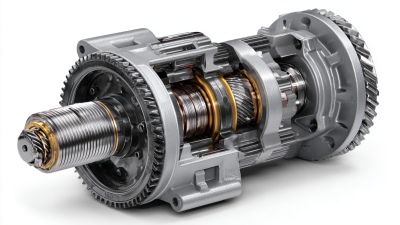
Industrial gear drive motors combine an electric motor with a gearbox to deliver controlled speed and torque. Helical gearmotors suit continuous conveying and mixing, where smooth, efficient operation matters. Bevel-helical units redirect power through an angle, useful when equipment layouts are tight. Worm gearmotors offer compact right-angle drives and high reduction, but may lose more energy as heat. Planetary gearmotors provide high torque in a compact package, often for indexing or heavy-duty motion. Each type has trade-offs.
The International Energy Agency’s 2011 report, Energy-Efficiency Policy Opportunities for Electric Motor-Driven Systems, estimates motor-driven systems use about 45% of global electricity. That figure covers many systems, not gearmotors alone, but it shows why drive selection and operating conditions matter. Check required output speed, starting torque, daily run time, mounting position, and ambient temperature. On a factory floor, a reducer running near a hot washdown line may need different sealing and lubrication from one powering a dry indoor conveyor. Small details matter. A catalogue efficiency rating can mislead if the selected reducer runs far below its intended load. Measure the real duty cycle where possible, then compare suitable gear types with a qualified engineer. There is no perfect choice.
| Gear Drive Motor Type | Typical Gear Ratio Range | Typical Gearbox Efficiency | Key Characteristics | Common Industrial Applications | Selection Considerations |
|---|---|---|---|---|---|
| Inline Helical | Approximately 3:1–100:1, depending on stages | Often about 90–97% per stage | Parallel input and output shafts; smooth, quiet operation and good efficiency. | Conveyors, mixers, packaging lines, and general material handling. | Check output torque, duty cycle, mounting position, and allowable radial loads. |
| Helical-Bevel | Approximately 5:1–200:1 across available configurations | Often about 90–97% per stage | Right-angle shaft arrangement; combines compact layout with efficient power transmission. | Conveyors, process equipment, wastewater systems, and space-constrained machinery. | Verify shaft orientation, service factor, and installation clearances. |
| Worm Gear | Approximately 5:1–100:1 per stage | Often about 50–90%; varies significantly with ratio, materials, and operating conditions | Right-angle, compact design; sliding contact can increase heat and reduce efficiency at higher ratios. | Small conveyors, gates, positioning equipment, and low-to-moderate-duty drives. | Assess heat dissipation, lubrication, duty cycle, and whether a brake is needed for load holding. |
| Planetary | Approximately 3:1–100:1 per stage or multistage arrangement | Often about 90–97% per stage | High torque density and compact coaxial layout; load is shared across multiple planet gears. | Robotics, machine tools, mobile equipment, and precision automation. | Compare backlash, torsional stiffness, peak torque, and required positioning accuracy. |
| Parallel-Shaft Helical | Approximately 5:1–200:1 across available configurations | Often about 90–97% per stage | Offset, parallel shafts; suitable for high torque and flexible conveyor layouts. | Bulk-material conveyors, crushers, feeders, and heavy-duty process lines. | Check shaft loads, mounting arrangement, shock loading, and maintenance access. |
| Bevel-Helical | Commonly approximately 6:1–200:1 in multistage units | Often about 90–97% per stage | Right-angle input stage with helical reduction stages; designed for efficient, higher-torque drives. | Heavy conveyors, elevators, mixers, and demanding production machinery. | Confirm starting torque, overload conditions, thermal capacity, and required service factor. |
Note: Gear ratios and efficiency figures are indicative ranges, not guaranteed ratings. Actual performance depends on the specific design, ratio, lubrication, load, speed, temperature, and operating conditions. Confirm final selections against the motor and gearbox manufacturer’s technical data.
Choosing an industrial gear drive motor starts with the machine’s real load, not its headline power rating. Estimate output torque, operating speed, and starting demand, including brief jams or heavy starts. A conveyor carrying uneven bins may need a different service factor than a steady mixer. Match the reduction ratio to the driven equipment, then check motor power and allowable shaft loads. A close fit on paper can still run hot.
Check duty cycle, ambient temperature, dust, washdown exposure, mounting position, and cooling. Gearbox efficiency and backlash matter when energy use or positioning accuracy is important. Confirm the motor can handle frequent starts and variable-speed control if needed. Review lubricant requirements, seal access, noise, and replacement space. These details are easy to overlook. Actual operating conditions may be less stable than the design brief suggests, so allow a sensible margin without oversizing blindly.
Tips: Record load, speed, starts per hour, and ambient temperature before comparing models. Keep it measurable. If possible, verify the assumptions against operating data; an early estimate can be wrong.
Comparing gear drive motors starts with the load, not the catalog headline. Record the required output speed, continuous torque, starting frequency, and expected operating hours. A conveyor moving wet cartons may run steadily, while a mixer can face sharp torque changes. Check both rated and peak torque against those real conditions. Peak torque matters.
Match the gear ratio to the driven machine’s speed range, then compare efficiency at the actual operating point. A high efficiency figure at one speed may not describe performance across a variable-speed cycle. Measure temperature after a sustained run, especially near the gearbox housing and motor bearings. Heat tells you something. Rising temperatures can point to excess load, poor ventilation, or unsuitable lubrication, though ambient conditions also affect readings.
Reliability checks should include bearing and seal design, lubrication intervals, backlash limits, and protection from dust or washdown. Ask for test data on noise, vibration, and thermal rise, not just a general durability claim. Inspect mounting alignment and shaft loading; small installation errors can shorten service life. I would leave a sensible service margin, but not choose an oversized unit automatically, since that can add cost and reduce efficiency. A neat datasheet is useful; site measurements may still change the ranking.
Compare gearbox types by typical efficiency, then assess reliability against your application’s load, duty cycle, operating temperature, and maintenance requirements.
How to read this chart: The bars show indicative efficiency ranges at rated load, not results for specific products. Actual efficiency varies with design, ratio, size, lubrication, and operating conditions. For reliability, compare service factor, thermal capacity, bearing and seal specifications, lubrication needs, and documented life-test data.
In 2026, the right gear drive motor depends less on a headline torque figure than on the machine’s duty cycle. For steady conveyors and mixers, helical gear motors are a practical option: they run efficiently under continuous loads and suit common mounting layouts. Bevel-helical units work well for right-angle drives where floor space is limited. Planetary gear motors provide high torque in a compact package for indexing equipment and heavy automation. Worm gear motors offer quiet, straightforward reduction, but can generate more heat during long shifts. Check real operating conditions.
Before specifying a motor, compare output speed, service factor, starts per hour, ambient temperature, and shaft loads. A unit sized only for nominal power may struggle during loaded starts. Ask about thermal limits, lubrication intervals, and maintenance access. A sealed housing helps, but it does not eliminate inspection. In a dusty packaging area, check the enclosure rating and cable entry, then make sure cooling fins stay clear. Measure noise and casing temperature after installation, not just on a test bench. Small details matter. Catalog ratings are useful, but perhaps teams give them too much weight: belt tension, misalignment, and frequent reversing can change the load picture. Document assumptions and leave room for engineering review.
Office: (281) 855-2218
Copyright © 2025 Telco Intercontinental Corp. All rights reserved. Privacy Policy | Legal Disclaimer
Telco®, TelcoMotion®, and TelcoGreen® are registered trademarks of Telco Intercontinental Corp.