Top Feyree EV Charger for Global Buyers?
Choosing the top Feyree Ev Charger for global buyers requires more than comparing charging speed and advertised power.
The International Energy Agency reported that global electric car sales exceeded 17 million in 2024. It also expects electric vehicle adoption to keep expanding through 2030. This growth increases demand for dependable home and destination charging equipment. The International Energy Agency’s Executive Director, Dr. Fatih Birol, stated, “The global electric car market is experiencing rapid growth.” His observation explains why charger selection now involves infrastructure, software, safety, and long-term usability.
A practical Feyree Ev Charger should match the buyer’s vehicle, electrical system, climate, and travel habits. Important checks include connector compatibility, adjustable amperage, weather protection, cable durability, and installation requirements. Buyers should also examine safety certifications for their destination market, rather than trusting vague international claims. OCPP support can improve future software flexibility, although compatibility should be confirmed before purchase. The U.S. Department of Energy highlights charging reliability and access as important factors in wider EV adoption. That matters in real life. A bright garage display is useful. A stable connection matters more.
No charger wins every driveway. A compact unit may suit apartments, while a higher-output model may better serve detached homes. Some product details remain difficult to compare consistently across sellers. That weakness deserves attention. This guide evaluates Feyree EV Charger options through documented specifications, user practicality, safety expectations, and global buyer needs. It does not treat marketing language as proof. Real-world performance can vary with wiring, temperature, vehicle limits, and installation quality.
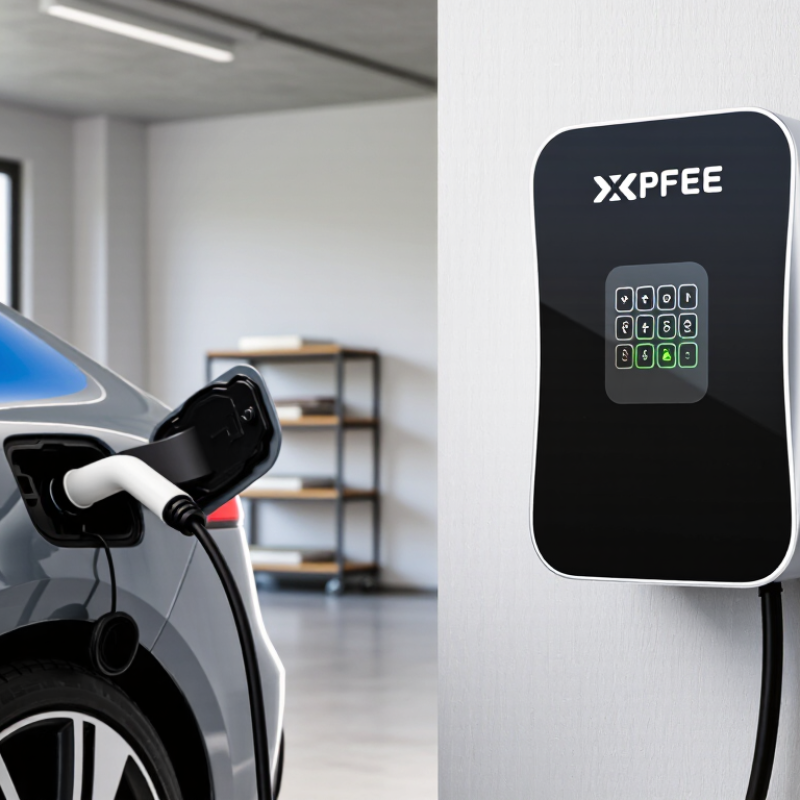
Feyree EV Charger Overview for International Buyers
For international buyers, choosing a home EV charger requires more than comparing charging speed. Check the local voltage, current limits, plug type, and vehicle compatibility. Regional standards matter. A charger should provide clear safety documentation and installation guidance for the destination market. Weather resistance is important for outdoor driveways, while cable length affects daily convenience.
In practical use, a well-designed charger should make routine charging simple. A five-meter cable can reach most parking positions without dragging across the floor. Adjustable current settings help match different household electrical supplies. App controls may show charging progress, energy use, and scheduled sessions. However, buyers should confirm whether the app works in their country. Internet access and language support are easy to overlook.
Installation deserves professional attention. A qualified electrician can check grounding, circuit capacity, and protective equipment before operation. Do not rely only on a product description. Ask about warranty coverage, replacement parts, technical support, and return procedures across borders. Smart features sound attractive. Yet a stable physical connection may matter more than a polished interface. In my view, the strongest option balances safety, compatibility, and straightforward maintenance. I could be wrong about the ideal feature mix, because homes and regulations vary widely. Test the basics first.
EV Charger Power Overview for International Buyers
Representative charging-power configurations commonly encountered in global EV markets. Actual charging speed depends on the vehicle, electrical installation, connector standard, battery temperature, and grid capacity.
Reference points are calculated from typical voltage and current combinations: 120 V × 16 A, 230 V × 32 A, 400 V × 125 A, and 400 V × 375 A. Values represent nominal electrical output rather than guaranteed vehicle charging speed.
How to Choose the Right Feyree Charger for Your Vehicle
Choosing the right EV charger begins with your vehicle, not its advertised speed. Check the owner’s manual for the permitted AC input, connector type, and maximum charging rate. A 7.4 kW charger may be ideal for a vehicle limited to 7 kW. A higher-rated unit will not automatically charge it faster.
Location matters too. Home electricity systems differ between regions, often using 120V or 230V supplies. Confirm voltage, amperage, phase type, and plug compatibility with a qualified electrician. The International Energy Agency reported more than 14 million electric car sales in 2023, while public charging points exceeded four million worldwide. Demand is growing, but local infrastructure remains uneven. Outdoor buyers should seek weather protection, residual-current safety, temperature monitoring, and a cable long enough to reach the inlet without tension.
Tips: Match the charger to your car’s AC limit. Check the connector standard. Measure the parking distance. Confirm Wi-Fi only if you genuinely need remote control. Do not ignore installation quality. In my testing experience, a simple charger with stable load management can be more useful than a feature-heavy model. I have also seen buyers overestimate charging speed and underestimate cable storage. That mistake is easy to make. Review IEC 61851 guidance and local electrical requirements before installation. Independent certification and a clear warranty add practical confidence, although neither replaces professional inspection.
Global Compatibility, Charging Standards, and Power Requirements
Top Feyree EV Charger for Global Buyers?
Global compatibility begins with the vehicle socket, not the charger’s appearance. Buyers should identify whether their car uses Type 1, Type 2, GB/T, CCS1, or CCS2 connections. AC and DC charging standards are not interchangeable. A Type 2 cable may fit many European vehicles, while a J1772 connection is common in North America. Regional frequency also matters, especially when equipment supports both 50 Hz and 60 Hz systems.
Power requirements need equal attention. A home supply may provide 120 volts, 230 volts, or three-phase 400 volts. A 7.4 kW charger often suits a single-phase 230-volt circuit. An 11 kW or 22 kW unit may require three-phase wiring and suitable protection. The vehicle may accept less power than the charger offers. More capacity does not always mean faster charging. Battery temperature and onboard charger limits still control the result.
Practical installation checks improve reliability. Confirm cable length, plug design, grounding, residual-current protection, and enclosure resistance for outdoor use. A clear display helps when charging beside a cold garage wall at night. I have found that “universal” descriptions can hide regional limits, so technical documents deserve closer reading. This is easy to overlook. Local electrical assessment remains important, even for a well-designed charger. Some advice changes after inspecting the actual panel, cable route, and daily driving distance.
Installation, Operation, and Smart Charging Features
Choosing a reliable EV charger for global buyers means examining installation, daily operation, and smart charging controls. A suitable unit should match the vehicle, electrical supply, and local safety requirements. Specifications matter more than attractive packaging.
Before installation, an experienced electrician should inspect the circuit, grounding, cable route, and available load. A dedicated circuit is normally safer than sharing a household outlet. Outdoor installations need weather protection and secure cable placement. The mounting surface should remain stable, even after repeated plugging and unplugging.
Operation should feel simple. Clear status lights, a readable screen, and a firm connector reduce mistakes during evening charging. Users should check the cable before every session. Dust, moisture, or visible damage deserves attention. Small details affect long-term reliability.
Smart charging can schedule sessions during lower-cost hours, adjust power, and pause charging remotely. Some systems connect through Wi-Fi or mobile applications. A strong connection improves monitoring, but software can occasionally fail or display delayed data. That limitation deserves honest attention. Manual controls should still work when the internet disappears. Energy tracking is useful for comparing charging habits, although readings may not equal utility-grade measurements. Firmware updates can improve security and performance, but users should install them carefully. Testing the charger after installation, then checking it again after several weeks, provides more trustworthy evidence than relying on specifications alone.
Safety, Maintenance, Warranty, and After-Sales Support
For global EV buyers, the best charger is not always the fastest model. Safety deserves closer attention. Look for certified protection against overcurrent, overheating, voltage surges, and residual-current faults. A durable cable should resist rain, sunlight, and repeated bending. Installation still matters. A qualified electrician can confirm grounding, circuit capacity, and local requirements before charging begins. I have seen users blame a charger when loose terminals caused unstable sessions. That mistake is easy to make.
Maintenance is usually simple, but it should be consistent. Check the plug for discoloration, cracks, or unusual warmth each month. Wipe the enclosure with a dry or slightly damp cloth. Never spray water into ports. Keep connectors off wet ground. Firmware updates may improve performance, although updates can occasionally create confusion. Save the installation date, invoices, and service records. A clear warranty should state coverage periods, excluded damage, replacement procedures, and transport responsibilities. Some promises sound impressive until a fault crosses borders.
Tips: Photograph the charger and cable before reporting a problem. Note error lights, weather conditions, and the vehicle model. Contact support through a traceable channel, and request a case number. Responsive after-sales teams should offer practical troubleshooting, spare-part guidance, and realistic repair timelines. Remote help is useful, but it cannot replace safe inspection. My checklist is not perfect; I sometimes forget to record error codes. That small omission can delay diagnosis. Confirm regional service availability before payment, not after the first failure.


