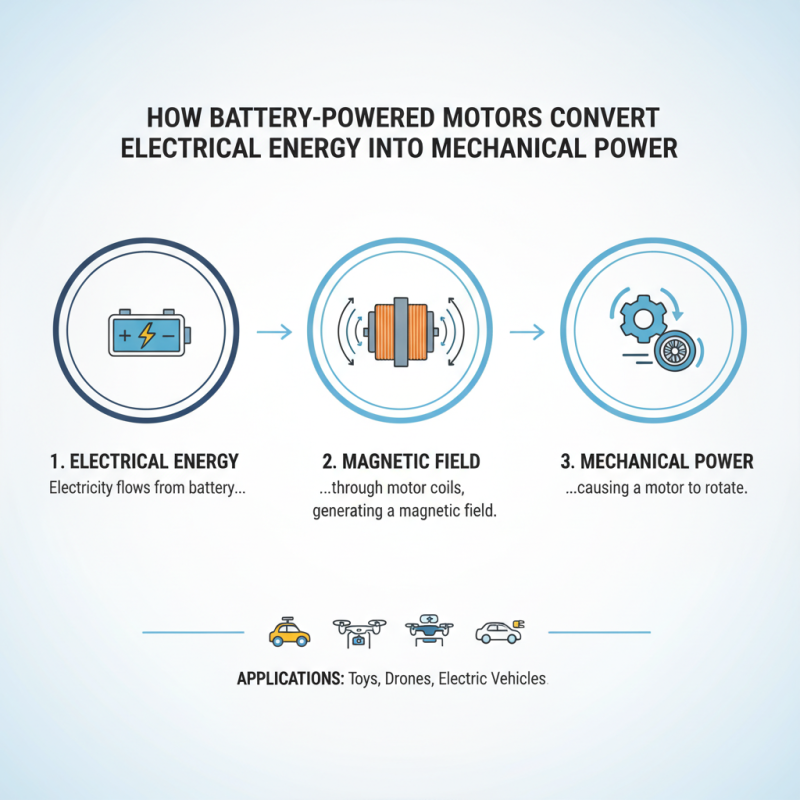
What is a Battery Powered Motor and How Does It Work?
Battery powered motors have become essential in various applications today. These devices convert electrical energy from batteries into mechanical energy. This innovative technology powers everything from household appliances to electric vehicles.
The popularity of battery powered motors stems from their efficiency and eco-friendliness. Users appreciate their ability to eliminate harmful emissions. These motors are often lighter and quieter than their traditional counterparts. However, the performance can vary based on battery quality and design.
Understanding how battery powered motors function involves grasping key components. These include the rotor, stator, and the power source. Notably, the efficiency of these motors may be influenced by environmental factors. Despite their advantages, challenges remain in optimizing battery life and performance. This calls for ongoing research and improvements in battery technology.
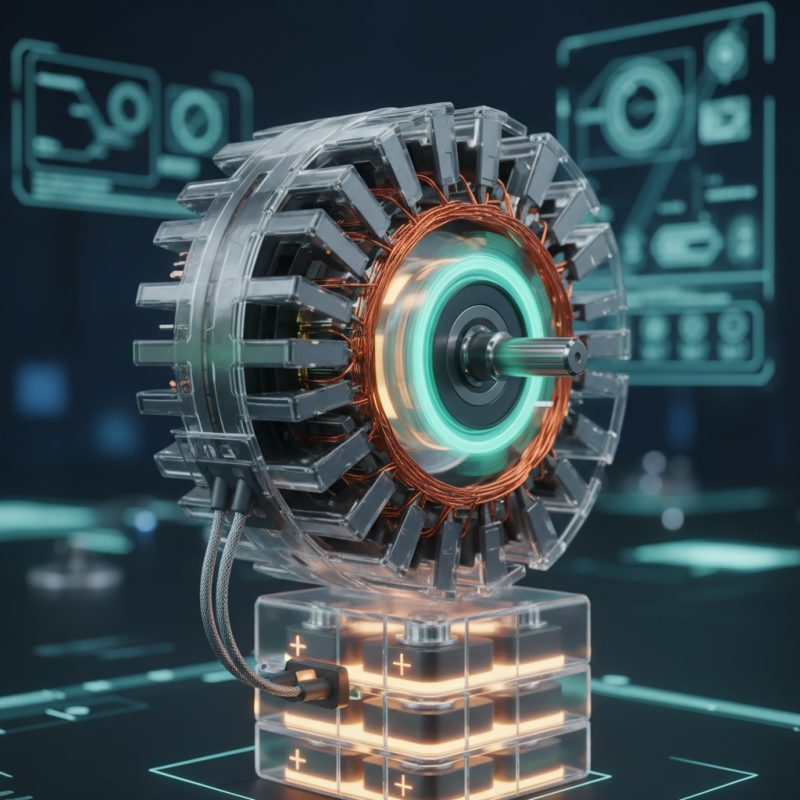
Definition of Battery Powered Motors and Their Common Applications
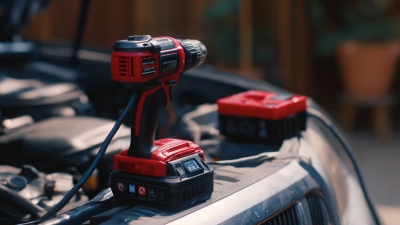
Battery-powered motors are essential in various applications. These motors rely on stored electrical energy to create motion. They convert electrical energy directly into mechanical energy through electromagnetic principles. Common applications include electric bicycles, lawnmowers, and handheld power tools.
In everyday life, battery-powered motors are everywhere. They are found in toys, kitchen appliances, and even in small electric vehicles. The ability to operate without a direct power source adds to their convenience. Users can take advantage of portable and lightweight designs that simplify mobility. Still, these motors often have limitations, such as runtime and the need for regular charging.
Tips: For maximum efficiency, regularly maintain your battery-powered devices. Clean the motor’s components to prevent dust buildup. This helps ensure optimal performance. Always check the battery condition. A worn-out battery can cause reduced power output. Consider the environment too; extreme temperatures can affect battery life. Understanding these aspects can enhance the longevity of your tools and devices.
Components of a Battery Powered Motor: An Overview
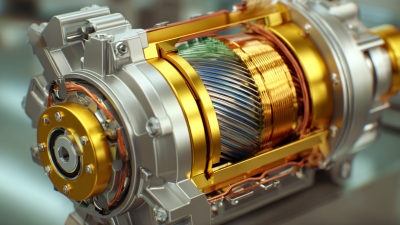
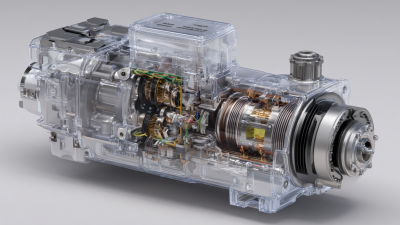
Battery powered motors have gained popularity due to their versatility and efficiency. Understanding their components is crucial for grasping how they function. At their core, these motors consist of several essential parts: the battery, motor windings, rotor, stator, and controller. The battery acts as the energy source, converting chemical energy into electrical energy. This energy powers the motor, allowing it to convert electrical energy into mechanical energy.
The motor windings are crucial as they create a magnetic field when current flows through them. Typically made from copper wire, they are wound around the stator. The rotor moves within this magnetic field, which causes rotation. Controllers play a significant role too. They regulate the power from the battery, ensuring optimal performance. According to industry reports, effective power management can improve efficiency by up to 30%.
However, challenges remain. Battery efficiency can diminish over time due to factors like temperature and age. The reliance on battery technology also poses design constraints. Innovations in materials and technologies are continuously necessary to ensure long-term reliability. Without ongoing advancements, the potential of battery powered motors may be limited. Finding the right balance between performance, cost, and sustainability is vital for the future of this technology.
Types of Battery Technologies Used in Battery Powered Motors
Battery powered motors are increasingly popular in various applications, from electric vehicles to portable tools. The effectiveness of these motors largely depends on the type of battery technology employed. Key battery types include lithium-ion, nickel-metal hydride, and lead-acid. Each has unique characteristics that influence performance.
Lithium-ion batteries dominate the market due to their high energy density and lightweight design. Reports indicate that they account for approximately 80% of electric vehicle batteries sold in 2022. This dominance stems from their efficiency and longer lifespan. However, challenges persist. Their manufacturing process carries environmental concerns, and they are sensitive to temperature.
Nickel-metal hydride (NiMH) batteries are another option, primarily used in hybrid vehicles. They offer better safety and thermal stability but have a lower energy density than lithium-ion. Although their overall market share is smaller, NiMH batteries serve niche applications efficiently. Lead-acid batteries, while the oldest technology, remain relevant for specific uses due to their low cost and reliability. They are, however, less efficient compared to newer technologies. These nuances highlight the trade-offs inherent in selecting battery technologies for optimal motor performance.
Advantages and Limitations of Using Battery Powered Motors
Battery powered motors have gained traction in various sectors due to their unique advantages. They offer cleaner energy solutions, reducing emissions significantly. A report from the International Energy Agency noted that electric motors could help diminish global CO2 emissions by 1.5 gigatonnes by 2030. This can be crucial for industries aiming for sustainability.
However, there are limitations to consider. Battery powered motors depend heavily on battery life and charging infrastructure. Reports indicate that battery degradation can lead to 20-30% loss in performance after a few years of use. This presents challenges for applications requiring long operational hours. Additionally, the energy density of current battery technology still lags behind traditional fuels. Many users find themselves in scenarios where insufficient power limits operational capacity.
Safety concerns also play a role. Overheating and potential battery malfunctions can pose risks, especially in high-performance scenarios. Some studies suggest that manufacturers must invest more in safety measures to mitigate these risks. The balance of benefits and challenges defines the current landscape of battery powered motors. They show promise, yet careful consideration is necessary.