What is a 240v DC Motor and How Does It Work?
The 240v DC motor is a critical component in various industrial applications. According to the International Electrotechnical Commission, DC motors account for around 25% of electrical motor usage worldwide. This data highlights their significance in our daily technology. The 240v DC motor operates using direct current, converting electrical energy into mechanical energy efficiently.
In today's market, these motors are frequently employed in sectors like manufacturing, automotive, and renewable energy. They provide precise control and high torque, making them ideal for demanding tasks. However, users must consider the power supply and environmental impact when utilizing a 240v DC motor.
Despite their advantages, the complexity of these systems can present challenges. Maintenance is crucial for ensuring optimal performance. Users should be aware of factors that might lead to inefficiencies. As technology evolves, understanding the practical implications of the 240v DC motor remains essential for continued innovation.
What is a 240v DC Motor? Definition and Overview
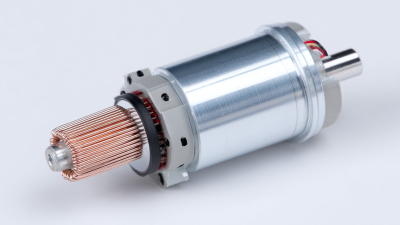
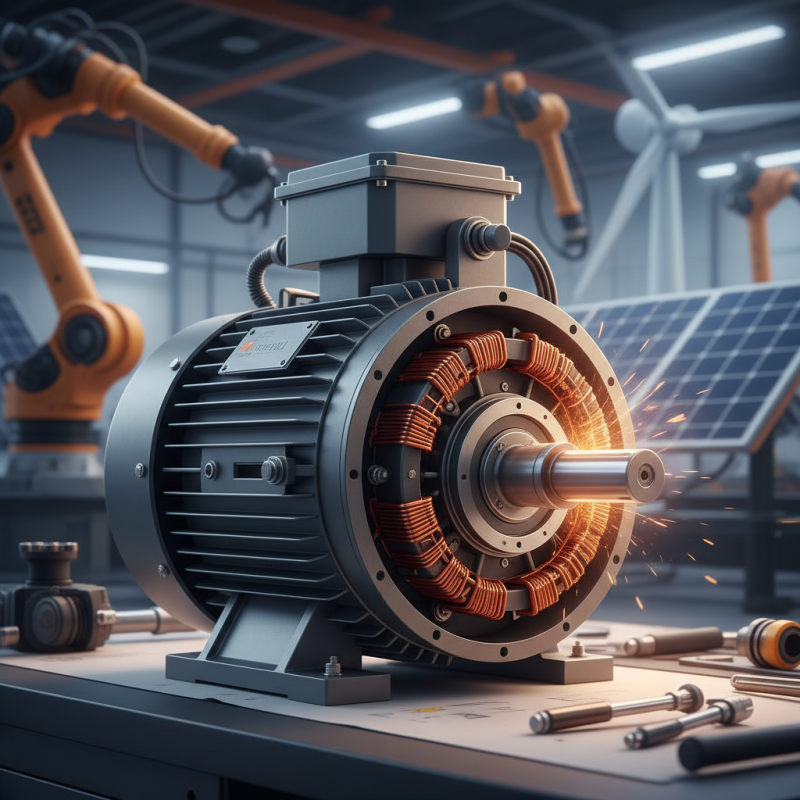
A 240v DC motor is an electric motor that operates on direct current. It typically converts electrical energy into mechanical energy. This type of motor is commonly used in various applications, from industrial machinery to electric vehicles. Understanding its components is crucial for efficient operation.
The main parts include the rotor, stator, and commutator. The rotor rotates within the magnetic field created by the stator. This interaction generates torque, causing movement. Commonly, these motors run at high speeds with significant torque, making them suitable for heavy-duty tasks.
**Tips:** Regular maintenance is essential for optimal performance. Inspect brushes and commutators often. Additionally, ensure proper ventilation to avoid overheating. Remember, motor efficiency can decrease if not properly maintained. Understanding potential issues helps in troubleshooting effectively. Keep in mind that overload can harm your motor's longevity. Make adjustments according to the motor's specifications.
What is a 240v DC Motor and How Does It Work?
| Dimension |
Specification |
| Voltage |
240V DC |
| Power Rating |
750W - 1500W |
| Speed Range |
1000 - 4000 RPM |
| Torque |
0.5 - 5 Nm |
| Type |
Brushed/Brushless |
| Operating Temperature |
-20°C to +50°C |
| Applications |
Industrial machinery, Electric vehicles, Robotics |
Components of a 240v DC Motor: Key Parts and Their Functions
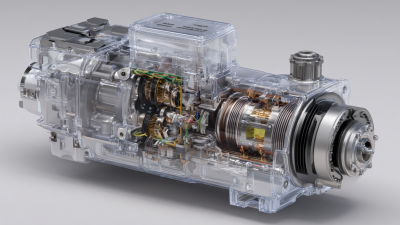
A 240v DC motor is a powerful device commonly used in industrial applications. Understanding its components is crucial to grasping its operation. The key parts include the stator, rotor, commutator, and brushes. Each plays a vital role in the motor's functionality.
The stator is the stationary part of the motor. It generates a magnetic field that interacts with the rotor. The rotor rotates within this magnetic field, converting electrical energy into mechanical energy. When the rotor spins, the commutator ensures the current direction changes. This allows for continuous rotation. Brushes maintain contact with the commutator, facilitating the flow of electricity.
Maintaining these components is essential for optimal performance. Over time, brushes can wear out, affecting the motor's efficiency. In some cases, improper installation can lead to overheating. Regular inspection can prevent these issues. An understanding of these parts helps in troubleshooting and repairs. Each component's reliability determines the motor's overall effectiveness.
Components of a 240V DC Motor
Operating Principles: How a 240v DC Motor Converts Electrical Energy
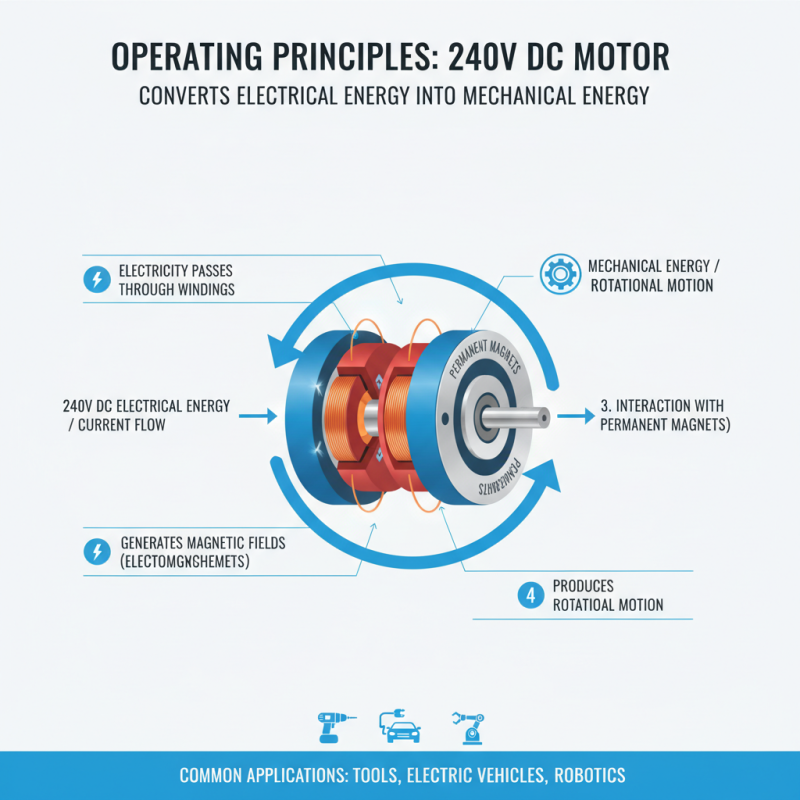
A 240v DC motor operates on a straightforward principle, converting electrical energy into mechanical energy. The process involves the interaction of magnetic fields and current flow. When electricity passes through the motor's windings, it generates magnetic fields. These fields interact with permanent magnets or additional winding coils. This interaction produces rotational motion, common in many applications, from tools to electric vehicles.
According to industry reports, DC motors account for nearly 25% of the electric motor market. Their efficiency ranges between 70% and 90%. This makes them reliable and widely used, especially in applications requiring adjustable speed and torque. The simplicity of their design contributes to their durability and ease of maintenance.
Tip: When selecting a 240v DC motor, consider the application demands. Matching speed and torque ratings to your needs is vital. It's easy to overlook these details, leading to inefficiencies.
Even with strong performance, DC motors have disadvantages. They can produce electrical noise, which may interfere with sensitive devices nearby. Regular maintenance routines can help mitigate these issues. Understanding these concerns ensures you get the most out of your motor.
Applications of 240v DC Motors in Industry and Automation
240v DC motors play a crucial role in various industrial and automation applications. These motors are favored for their high efficiency and reliability. They are commonly used in conveyor systems, where precise speed control is essential. By adjusting the voltage, operators can easily manage the motor's performance. This adaptability makes them suitable for different materials and weights.
Another significant application of 240v DC motors is in robotics. These motors provide the necessary torque for movement and manipulation. They can be found in automated assembly lines and robotic arms. However, challenges exist regarding power supply fluctuations. A sudden drop in voltage can impact motor performance. Therefore, consistent monitoring is essential.
In the field of HVAC systems, 240v DC motors enhance energy efficiency. They are used in fans and compressors. The smooth operation of these components is vital for maintaining optimal temperature control. Yet, maintenance can be demanding. Regular checks are essential to avoid unexpected breakdowns and ensure long-term functionality.
Performance Metrics: Efficiency, Torque, and Speed Ratings Explained
When exploring a 240v DC motor, performance metrics like efficiency, torque, and speed ratings are crucial. Efficiency refers to how well the motor converts electrical energy into mechanical energy. High efficiency means less energy waste, which is essential for cost savings. However, achieving optimal efficiency can be challenging due to factors like heat generation and load variations. Engineers often need to balance these factors for the best performance.
Torque is another vital metric. It measures the motor's twisting force and determines its ability to start and maintain motion. Higher torque is beneficial for driving heavy loads. Yet, too much torque can lead to increased wear and tear. It's a delicate balance to maintain durability while ensuring adequate performance. Speed ratings indicate how fast the motor can operate, impacting the overall application. However, higher speeds can also lead to instability, requiring careful design considerations.
Understanding these metrics helps in selecting the right motor for various applications. Each parameter interacts with others, making the process complex. Regular testing and reevaluation ensure that the motor meets specific needs. Developers must continuously adapt their designs, emphasizing the importance of real-world testing and adjustments.