Main Menu
Choosing the right wafer type butterfly valve in 2026 requires more than comparing prices or catalog photographs. These compact valves sit between flanges, save installation space, and often control water, air, chemicals, or process fluids. Yet their performance depends on pressure rating, temperature, media compatibility, and operating frequency.
This guide examines resilient-seated, high-performance, and triple-offset butterfly valve designs. It also considers lug-style alternatives where maintenance isolation matters. In practical installations, a soft-seated valve may serve chilled water effectively, while a metal-seated design may better handle heat and abrasive service. Small details matter. Disc material, stem construction, seat geometry, and actuator torque can change the entire result.
Reliable selection begins with verified data. Check applicable standards, including API 609, EN 593, and ISO 5752, when relevant to the project. Confirm face-to-face dimensions before ordering. Review leakage requirements, flange alignment, and available maintenance space. A valve can meet its pressure rating and still fail early if the seat material is unsuitable.
Field experience also shows that “best” is rarely universal. A budget valve may perform well in clean water but struggle in corrosive process duty. A premium valve may be unnecessary for a low-cycle application. No choice is perfect. This guide helps engineers, buyers, and maintenance teams compare valve types with clearer judgment. It highlights practical trade-offs, common specification gaps, and selection questions worth asking before installation. Expect useful direction, not a shortcut.
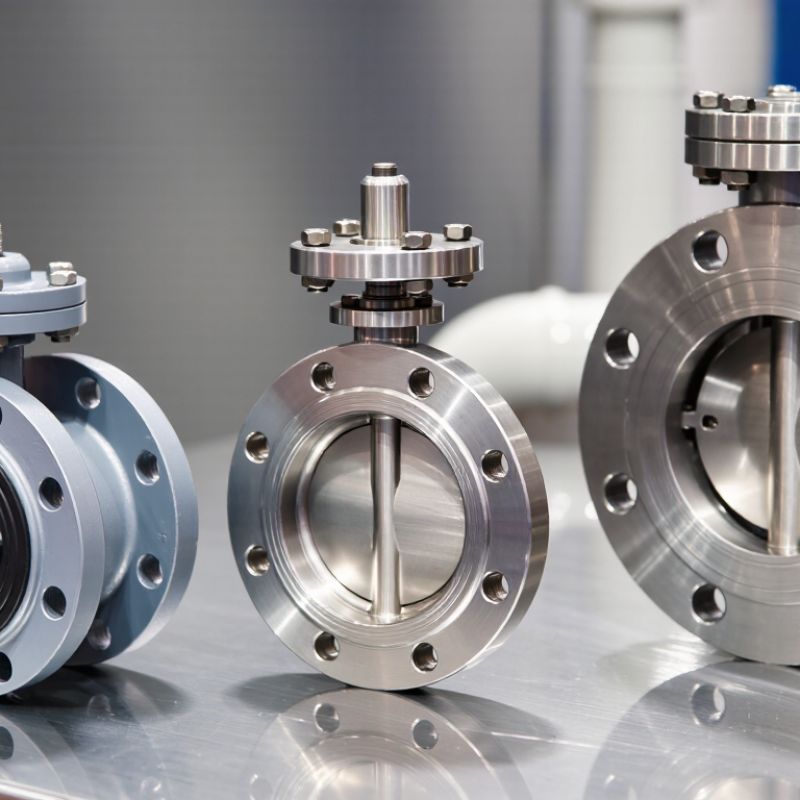
Wafer type butterfly valves fit between two flanges, creating a compact and economical flow-control assembly. Their disc rotates around a stem, usually through 90 degrees. When the disc aligns with the pipe, fluid flows freely. When it turns across the passage, flow stops. Resilient-seated valves suit water and many general services. Double-offset designs reduce seat friction and support higher temperatures. Triple-offset valves use metal seats for demanding thermal and industrial conditions. The choice depends on fluid, pressure, temperature, leakage limits, and operating frequency.
In field applications, check the pipeline space before selecting the valve. A wafer body needs correct flange alignment and suitable bolts. Poor centering can damage the seat during operation. Manual handles work well for small valves. Gear operators or actuators help with larger sizes and frequent cycling. Partial opening can control flow, but it may increase turbulence, vibration, or seat wear. This is often overlooked. It should not be treated as a universal throttling solution.
Tips: Confirm the medium’s temperature and chemical behavior first. Check pressure ratings at the actual operating temperature. Inspect the stem, disc edge, and seat during maintenance. Test the valve after installation, not only before shipping. Leave enough clearance for the handle or actuator. A simple site measurement can prevent an expensive correction later. Selection charts help, but real operating conditions deserve more attention.
Wafer butterfly valves differ mainly in disc design, sealing, and allowable service conditions.
A concentric, resilient-seated valve keeps the stem centered through the disc. It suits water, air, and general utility lines at moderate temperatures. Its compact wafer body saves space, but rubber seats can age faster under heat, chemicals, or abrasive solids. That trade-off is easy to underestimate.
Double-eccentric valves move the stem away from the seat centerline. This reduces rubbing and operating torque, especially in larger pipelines.
Triple-eccentric valves add a conical seat geometry, creating near-zero rubbing during operation. They are better suited to higher temperatures, steam, hydrocarbons, and demanding cycling.
API 609 and ISO 5752 provide useful dimensional and design references. The U.S. Department of Energy reports that pumping systems may consume 25–50% of industrial electricity. Lower valve friction and correct sizing can therefore support measurable system efficiency.
Tips: Confirm pressure class, temperature, media compatibility, leakage requirement, and actuator torque before purchasing. Match the valve to the pipe flange standard. Do not select only by diameter. A large valve running almost closed may create unstable flow and unnecessary wear. In practice, the “best” type is not always the most advanced. A resilient seat may outperform a metal-seated design in clean water, while the reverse can happen in hot service. Real operating data should challenge the first selection.
2026 Top Wafer Type Butterfly Valve Types: How to Choose?
Selecting a wafer type butterfly valve starts with the actual service conditions. Pressure and temperature must be reviewed together. A ductile iron body may suit moderate water systems, while carbon steel handles tougher mechanical duty. Stainless steel is often preferable when moisture, chemicals, or cleaning agents threaten corrosion. The disc material also matters. Temperature changes everything.
In practical selection work, engineers should check the maximum working pressure, pressure spikes, flow medium, and operating frequency. A valve rated for ordinary water may fail early in steam, abrasive slurry, or corrosive fluid. EPDM seats perform well with hot water and many mild fluids, but they are unsuitable for several oil-based media. NBR suits many oil applications, while PTFE offers strong chemical resistance and broader temperature capability. It can still deform under pressure if poorly supported.
Do not match materials by temperature alone. Rapid heating and cooling can stress the body, seat, and shaft differently. For high-cycle service, the shaft and disc connection deserve careful inspection. A thicker disc is not automatically safer; it may increase torque and actuator demand. I would also question catalogue ratings without checking the test standard, pressure class, and installation orientation. Real pipelines are rarely perfect. Sediment, vibration, and unexpected surges often expose weaknesses that a simple selection chart misses.
| Wafer Butterfly Valve Type | Typical Disc and Stem Arrangement | Recommended Seat or Sealing Material | Common Body and Disc Materials | Typical Pressure Range | Typical Temperature Range | Suitable Applications | Key Selection Guidance |
|---|---|---|---|---|---|---|---|
| Concentric Resilient-Seated Wafer Valve | The stem is centered in the valve body and the disc rotates concentrically inside a resilient seat. | EPDM for water and many mild aqueous services; NBR for oils and hydrocarbons; PTFE for higher chemical resistance. | Ductile iron or cast iron body; ductile iron, stainless steel, or coated carbon-steel disc; stainless-steel stem. | Usually PN 6–PN 16 or Class 150, depending on design and size. | Approximately −20°C to 120°C for common elastomer configurations. | Water distribution, cooling water, HVAC, irrigation, low-pressure air, and general utility services. | Best for economical isolation or moderate throttling. Confirm that the seat, disc coating, and elastomer are compatible with the fluid. |
| High-Performance Double-Offset Wafer Valve | The stem is offset from the disc centerline and the seat centerline, reducing rubbing between the disc and seat during operation. | Reinforced PTFE, laminated PTFE, graphite-filled PTFE, or fire-safe resilient designs. | Carbon steel, stainless steel, or ductile iron body; stainless-steel or alloy disc; stainless-steel stem. | Commonly PN 10–PN 40 or Class 150–Class 300, subject to size and construction. | Approximately −50°C to 200°C with suitable polymer or graphite sealing systems. | Steam, process water, compressed air, gas, chemical services, and higher-cycle industrial applications. | Choose this design when lower operating torque, improved cycle life, and tighter shutoff are required than a concentric valve can provide. |
| Triple-Offset Metal-Seated Wafer Valve | Three geometric offsets create a cam-like disc movement and minimize contact between the disc and seat during rotation. | Metal-to-metal seat, commonly stainless steel, nickel alloy, or hard-faced alloy; graphite may be used for secondary sealing. | Carbon steel, stainless steel, or alloy-steel body; stainless, duplex, or nickel-alloy disc and seat components. | Often PN 16–PN 63 or Class 150–Class 600, depending on design, size, and standard. | Approximately −196°C to 650°C with appropriate materials, packing, and body construction. | High-temperature steam, hot gas, thermal oil, refinery services, power generation, and severe industrial isolation. | Use when fire-safe performance, high temperature resistance, low fugitive emissions, or repeated cycling is more important than the lowest purchase cost. |
| Cryogenic Wafer Butterfly Valve | Usually uses an extended stem or bonnet to keep the actuator and packing away from extremely cold media. | PTFE, PCTFE, or specially qualified low-temperature polymer seals; metal components must retain toughness at cryogenic temperatures. | Stainless steel body and disc are common; austenitic stainless-steel stems and bolts are typically selected for low-temperature toughness. | Commonly PN 10–PN 40 or Class 150–Class 300, depending on the cryogenic design. | Approximately −196°C to 80°C for liquid nitrogen, oxygen, argon, and similar services. | Liquefied gases, cryogenic storage, air-separation plants, and low-temperature process lines. | Verify oxygen-clean service requirements, seat leakage class, material impact toughness, thermal contraction, and extended-stem requirements. |
| Fluoropolymer-Lined Wafer Valve | Concentric or offset disc design with a chemically resistant liner or seat isolating the process fluid from the body. | PTFE, modified PTFE, PFA, or other qualified fluoropolymer lining systems. | Carbon steel, ductile iron, or stainless-steel body; corrosion-resistant disc and stem surfaces. | Often PN 6–PN 16 or Class 150; pressure may decrease at elevated temperature. | Typically about −40°C to 180°C, depending on the lining compound and pressure derating. | Acids, alkalis, corrosive chemicals, high-purity fluids, and aggressive process media. | Prioritize chemical compatibility and permeation resistance. Do not select by temperature alone; pressure-temperature derating is essential. |
| Fire-Safe Wafer Butterfly Valve | Usually a double-offset or triple-offset configuration with secondary metal or graphite sealing features. | Graphite packing and gasket systems with metal backup sealing; resilient components may be included for normal operation. | Carbon steel, stainless steel, or alloy-steel body; stainless or alloy disc and stem. | Commonly Class 150–Class 600 or equivalent PN ratings, depending on certification and design. | Normal operating limits depend on the seat; post-fire capability may reach approximately 650°C for qualified designs. | Hydrocarbon processing, fuel gas, combustible liquids, petrochemical plants, and emergency isolation systems. | Confirm fire-test qualification, external leakage limits, antistatic continuity, stem retention, and the applicable project standard. |
| Sanitary Stainless-Steel Wafer Valve | Compact concentric disc design with smooth internal surfaces and hygienic clamp or wafer connections. | EPDM, silicone, FKM, or PTFE, selected according to cleaning chemicals, product compatibility, and sanitation requirements. | Usually 304 or 316L stainless steel body, disc, and stem; surface finish may be specified for hygienic service. | Commonly low to moderate pressure, often approximately PN 6–PN 10 or Class 150. | Approximately −20°C to 150°C, with higher limits possible for specific seat materials and cleaning cycles. | Food processing, beverage production, pharmaceutical utilities, purified water, and hygienic process lines. | Check cleanability, surface roughness, elastomer approvals, dead-leg control, steam-in-place compatibility, and connection dimensions. |
| Important Selection Note: The pressure and temperature ranges shown are typical engineering ranges rather than universal limits. Actual allowable pressure is affected by valve size, pressure class, body material, seat material, flange standard, operating medium, temperature derating, and the applicable design standard. Always verify the manufacturer’s pressure-temperature chart, leakage class, material certificates, and project specifications before final selection. | |||||||
A wafer butterfly valve suits compact pipelines with limited installation space. Its slim body fits between two flanges, reducing weight and material use. The connection still needs careful checking. Confirm flange standards, pressure class, face-to-face dimensions, and available removal space. A wafer design cannot always isolate a pipeline safely during maintenance. That detail is often missed.
Actuation depends on operating frequency and failure risk. Manual handles work for occasional service and small diameters. Pneumatic actuators respond quickly and suit frequent cycling. Electric actuators help where compressed air is unavailable, but power-loss behavior needs review. MarketsandMarkets’ 2024 valve industry report identifies automation as a major growth driver. Grand View Research’s 2024 analysis also places water and wastewater among the leading butterfly-valve applications. These sectors usually demand reliable cycling, clear position feedback, and corrosion-resistant materials.
Sealing materials control service life. EPDM fits many water duties, while NBR handles several oil-based services. PTFE offers stronger chemical resistance, but temperature and torque limits still matter. Metal seats suit demanding heat, yet they may leak more than resilient seats. ISO 5211 helps match actuator mounting dimensions. EN 593 supports industrial butterfly-valve requirements.
Tips: Write down fluid, temperature, pressure, cycle frequency, and shutdown position. Then calculate breakaway torque, not only running torque. Add a practical safety margin. I have seen under-sized actuators stall on the first cold start. A lower purchase price can become the expensive choice.
2026 Top Wafer Type Butterfly Valve Types How to Choose?
Installation, maintenance, and selection determine whether a wafer butterfly valve performs reliably in 2026. API 609 covers butterfly valve design, while ISO 5208 defines pressure testing and leakage rates. Choose the body and disc materials for the actual medium, temperature, and pressure. EPDM suits many water services, but it may fail in oils or aggressive chemicals. Check the pressure class carefully. A smaller actuator can appear efficient, yet struggle during high-cycle operation. Measure the pipe alignment before installation. Even a few millimeters of offset can stress the seat and increase operating torque.
Tips: Keep the valve disc partly open during lifting. Never use the actuator as a pipe-spacer. The U.S. Department of Energy reports that compressed-air leaks can waste 20–30% of compressor output. For pneumatic systems, inspect actuator tubing and fittings during commissioning. Use a calibrated torque wrench, then record the final setting. That simple record improves traceability.
Maintenance should include visual checks, stem movement, flange bolts, and seat leakage. Follow the test method in ISO 5208 rather than relying only on a dry hand test. Industry maintenance reports often emphasize condition-based inspection, but field teams still overlook vibration and corrosion under insulation. That is an uncomfortable gap. Replace damaged seats early, yet question repeated failures before changing parts. Misalignment, unsuitable elastomers, or excessive cycling may be the real cause. A practical 2026 checklist should include service data, test results, actuator cycles, and the installer’s observations.
The chart compares three widely used wafer-style butterfly valve configurations against practical selection criteria. Scores range from 1 to 5, where 5 indicates stronger suitability. Actual limits depend on the applicable standard, seat material, pressure class, temperature, media, and manufacturer design.
Resilient-seated concentric valves are commonly selected for water and general utility services because of their simple design and tight shutoff. Double-eccentric high-performance valves reduce seat wear and are better suited to higher-pressure or higher-temperature service. Triple-offset metal-seated valves are typically considered for demanding high-temperature, fire-safe, cycling, or severe-service applications. Confirm pressure, temperature, leakage, material compatibility, installation space, and maintenance access before final selection.
Office: (281) 855-2218
Copyright © 2025 Telco Intercontinental Corp. All rights reserved. Privacy Policy | Legal Disclaimer
Telco®, TelcoMotion®, and TelcoGreen® are registered trademarks of Telco Intercontinental Corp.