2026 Top LED Bulb Types Which Should Global Buyers Choose?
Choosing LED Bulbs for global markets in 2026 requires more than comparing wattage and unit price. Buyers must match each bulb with local voltage, socket standards, lighting habits, and installation conditions. A warm 2700K bulb may suit a hotel bedroom, while a 4000K model may improve visibility in a warehouse. Small details matter.
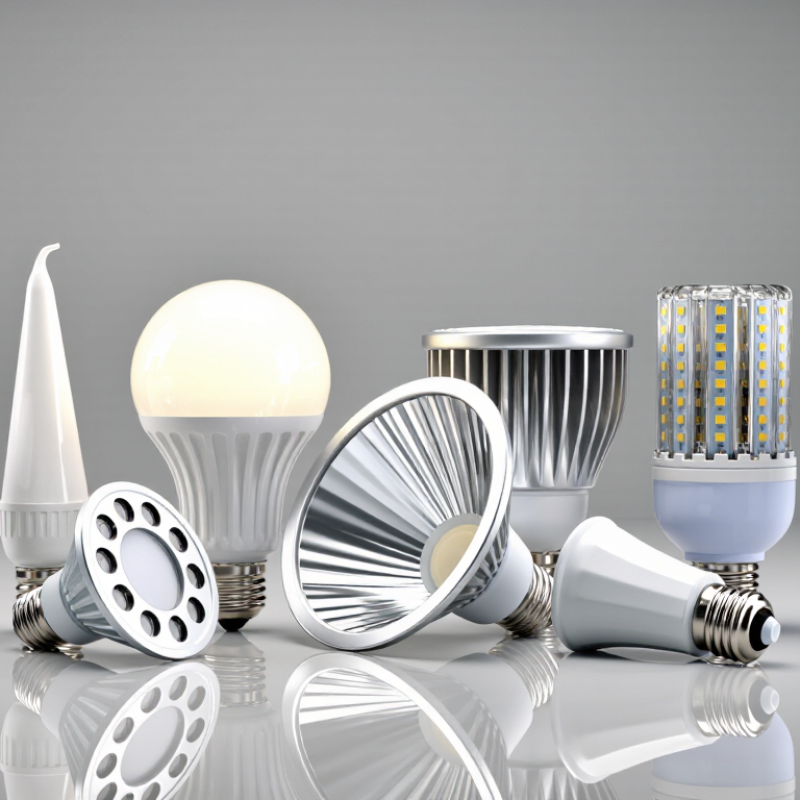
This guide examines common types, including A-shape, candle, globe, reflector, PAR, MR16, corn, and smart bulbs. It considers lumens, color temperature, CRI, beam angle, energy efficiency, dimming performance, and expected lifetime. Buyers should also review driver quality, heat dissipation, packaging strength, and replacement support. A polished datasheet is not proof. Ask for test reports from credible laboratories, production samples, and batch-level quality records. Verify applicable IEC requirements and local market certifications before placing a large order.
The right choice depends on the application, not fashion. A low-cost bulb can create hidden expenses through early failures, flicker, poor color rendering, or incompatible dimmers. Experienced procurement teams often test products in real rooms before approving them. That step reveals issues that factory photographs cannot show. Still, no evaluation is perfect. Supply chains change, and performance may vary between batches. Buyers should define acceptance standards, warranty terms, inspection procedures, and spare-part responsibilities in writing. This practical approach helps distributors, contractors, retailers, and project owners choose dependable LED Bulbs with fewer surprises. Reliability is built before shipment.
LED Bulb Basics: How Types Differ in Design, Light, and Performance
In 2026, global buyers should treat LED bulb types as performance tools, not simple replacements. A19 or A60 bulbs suit general rooms, while candle-shaped bulbs fit decorative fixtures. GU10 and MR16 models create focused beams for retail displays, kitchens, and artwork. Tubular bulbs work well in narrow wall or ceiling fittings. The socket must match exactly. A bright bulb is useless if it cannot fit safely.
Design affects light distribution, heat control, and service life. Frosted covers soften shadows for bedrooms and offices. Clear filament designs provide a vintage appearance but may create glare at eye level. A broad 200-degree beam spreads light across a room, while a 36-degree beam highlights a shelf. Buyers should compare lumens, color temperature, color rendering index, and dimming compatibility. For accurate product evaluation, testing under the actual fixture is more reliable than reading packaging alone.
The simple lumen-first method is useful, but incomplete. A 1,000-lumen bulb can still feel uncomfortable with poor glare control. Warm 2700K light supports relaxed spaces; 4000K to 5000K light appears sharper for work areas. Check operating temperature, voltage range, switching cycles, and IP rating for damp locations. Heat remains a quiet concern. A compact bulb inside a sealed fixture may age faster than expected. Procurement teams should request test reports, clear tolerance data, and samples before placing large orders. Even careful selection needs review.
A Step-by-Step Guide to the Main LED Bulb Types in 2026
Choosing LED bulbs in 2026 starts with the application, not the package design. The International Energy Agency reports that LEDs represented about half of global lighting sales in 2022, compared with roughly 5% in 2013. That rapid shift has widened product differences. Buyers should check the socket, supply voltage, required lumens, and room purpose before comparing prices.
Begin with shape. A19 or A60 bulbs suit bedrooms, offices, and general ceiling fixtures. Choose candle or globe bulbs for visible decorative fittings. GU10 and MR16 models provide focused beams for retail displays and kitchens. Filament-style LEDs create a warm appearance, but their decorative housings can limit heat dissipation. Check carefully. Poor thermal design can shorten service life.
Next, match performance to the project. Select 2700–3000K for hospitality and homes, or 4000–6500K for task areas and warehouses. A color-rendering index of 80 is a practical baseline; museums and premium retail may need 90 or higher. The U.S. Department of Energy’s solid-state lighting forecasts identify efficacy improvement as a major energy-saving driver, so compare lumens per watt, not watts alone. For outdoor or industrial use, review ingress protection, surge tolerance, dimmer compatibility, and ambient temperature ratings. Smart bulbs add control features, but connectivity failures remain an overlooked purchasing risk. Regional certification requirements also differ, and treating one test report as universal can be a costly mistake.
2026 Top LED Bulb Types: Which Should Global Buyers Choose?
The chart compares representative luminous efficacy values for major LED bulb types commonly specified in 2026. Higher efficacy means more light output per watt and generally lower operating energy use. Buyers should also consider beam angle, socket compatibility, dimming performance, color temperature, environmental conditions, and required lifetime.
Data basis: representative midpoints of commonly published performance ranges for general-purpose LED lamps, reflector lamps, directional lamps, decorative lamps, and retrofit corn lamps. Actual specifications vary by product and regional certification requirements.
How to Match LED Bulb Shapes and Bases with Existing Fixtures
Choosing an LED bulb starts with the existing fixture, not the product box. A bulb can fit and still be wrong. Check the socket marking, voltage, fixture depth, and shade opening before ordering. Common examples include A19 with E26 bases in North America and A60 with B22 bases in many other markets. These names describe different standards, so global buyers should verify local compatibility.
Shape affects both appearance and performance. Candle-shaped bulbs suit narrow decorative holders, while globe bulbs spread light across open shades. A19 or A60 bulbs work well in general ceiling fixtures. For recessed fittings, choose a reflector shape with the correct diameter and trim clearance. Measure the old bulb’s length. Small differences can prevent the cover from closing.
Base contact must feel firm, never forced. Match the bulb’s voltage range and confirm whether the fixture uses dimming controls. Not every LED bulb dims smoothly. Some may flicker, buzz, or lose brightness with older dimmers. Enclosed fixtures also need bulbs rated for enclosed use, because trapped heat can shorten their service life. I have seen buyers focus on wattage while ignoring lumens, color temperature, and beam angle. That mistake can produce a bright but uncomfortable room. Product specifications are useful, but physical measurement remains the safer check.
Key Buying Factors: Brightness, Color, Efficiency, and Lifespan
For global buyers, choosing an LED bulb starts with brightness, not wattage. Lumens show actual light output, while watts only measure electricity use. The U.S. Department of Energy reports that LEDs can use up to 75% less energy than incandescent bulbs and last up to 25 times longer. However, real performance depends on heat control, driver quality, and operating hours.
Color temperature changes the room’s feeling. Warm white, around 2700–3000K, suits bedrooms and restaurants. Neutral white, near 4000K, works well in kitchens and offices. Daylight versions can exceed 5000K, but they may feel harsh in homes. Check the color rendering index, or CRI, when accurate colors matter. A CRI of 80 is common; 90 or above is better for retail displays and detailed tasks. The International Energy Agency continues to identify efficient lighting as a practical energy-saving measure, yet buyers should not treat efficiency claims as identical across suppliers.
Tips: Compare lumens per watt, not price alone. Request test reports based on recognized photometric standards. Confirm the rated life, dimming compatibility, power factor, and warranty terms. A bulb marked 25,000 hours may perform differently in a hot, enclosed fixture. I have seen buyers overlook this detail. That mistake is expensive. Also, longer life is useful only when brightness remains acceptable over time; lumen maintenance data deserves a closer look.
Choosing the Right LED Bulb for Homes, Businesses, and Global Markets
In 2026, global buyers should match LED bulb types to real spaces, not chase the highest wattage. For homes, A19 or A60 bulbs suit bedrooms, kitchens, and hallways. Warm white light, around 2700–3000K, creates a comfortable residential atmosphere. High-CRI versions work better near mirrors, dining areas, and worktables. The U.S. Department of Energy reports that LED bulbs use at least 75% less energy and can last up to 25 times longer than incandescent bulbs. That matters where replacement labor is expensive.
Businesses need a different calculation. Retail stores often require 3500–4000K light, accurate color rendering, and stable dimming. Offices benefit from low-glare bulbs and reliable daily operation. Warehouses need high-lumen lamps with suitable beam angles, while hospitality spaces may prefer dimmable decorative bulbs. The International Energy Agency’s Energy Efficiency 2024 report stresses that faster efficiency improvements are essential worldwide. Lower electricity demand supports operating budgets and emissions goals.
Global markets add practical complications. Check voltage, base type, frequency, dimmer compatibility, and local safety certification before ordering. Smart bulbs can help homes manage schedules, but they may increase cost and technical support needs. No choice is perfect. A cheap bulb with poor heat control may fail early in a hot ceiling fixture. Buyers should request photometric data, lifetime testing conditions, warranty terms, and sample units before large purchases. One overlooked detail can become a container-sized problem.


