2026 Top Frequency Converter Solutions for Global Buyers
In the evolving landscape of industrial technology, Frequency Converters play a crucial role. They enhance efficiency and optimize energy use in various applications. This guide explores the top frequency converter solutions for global buyers in 2026.
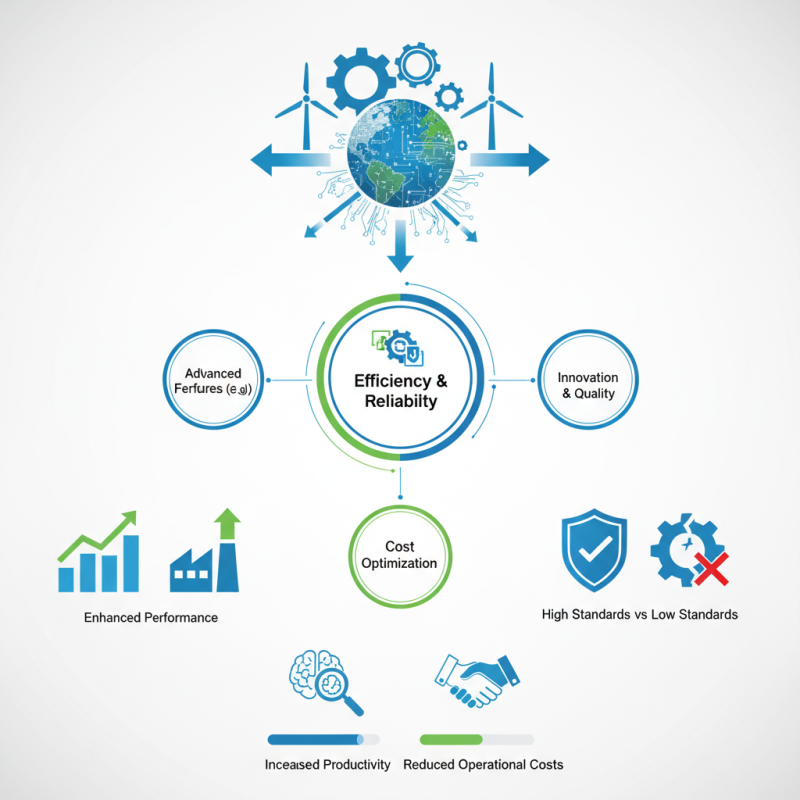
With numerous options available, selecting the right frequency converter can be daunting. Buyers must consider factors like efficiency, reliability, and cost. However, not all products meet high standards. Research and expert insights are vital for informed decisions.
The market has seen exciting innovations. Advanced frequency converters improve performance and add features like remote monitoring. Yet, some brands fall short on support and reliability. Buyers must stay vigilant and prioritize quality. Making the right choice can enhance productivity and lower operational costs.
Overview of Frequency Converters: Types and Applications
Frequency converters are crucial in various industries. They adapt alternating current (AC) power to suit specific machinery needs. This versatility makes them vital in sectors like manufacturing, renewable energy, and transportation. There are two main types: static and dynamic. Static converters are often used for simple applications, while dynamic converters handle more complex tasks, managing variable speeds effectively.
Tips: When selecting a frequency converter, consider the load type and power requirements. Ensure compatibility with your existing systems to avoid performance issues.
The applications of frequency converters are diverse. In wind and solar energy systems, they optimize output efficiency, contributing to better energy management. In industrial settings, they protect equipment by controlling motor speeds and reducing wear and tear. However, improper usage can lead to malfunctions and increased costs, highlighting the importance of understanding your specific needs.
Tips: Regular maintenance checks can prolong the life of frequency converters. Monitor performance to identify issues early. This proactive approach saves time and resources in the long run.
2026 Frequency Converter Market Analysis
Key Features to Consider When Selecting Frequency Converter Solutions
When selecting frequency converters, buyers should focus on several key features. Power rating is crucial. This determines the converter's efficiency and application range. It's essential to ensure that the selected unit matches the specific needs of your machinery or system. Oversizing or undersizing can lead to inefficiencies and potential equipment failure.
Another important aspect is input voltage range. Compatibility with your current system's voltage is vital. A unit that cannot accommodate your voltage specifications might underperform. Reliability is equally significant. A reliable frequency converter will enhance overall system longevity. It minimizes downtime, which can save costs in the long run.
Buyers should also consider the control method utilized by the converter. Options include Voltage Frequency Control (V/F) and Vector Control. Each method has unique advantages, affecting performance differently. While V/F is simpler, it may not provide the precision that Vector Control can offer. Thoroughly understanding these differences can inform smarter purchasing decisions. Adapting the frequency converter to your application is not a one-size-fits-all approach. Each system’s needs should be carefully assessed to avoid costly mistakes.
Top Manufacturers of Frequency Converters in the Global Market
The frequency converter market is witnessing significant growth. In 2026, this sector is expected to expand at a CAGR of 5.8%, reaching a valuation of over $9 billion. Various manufacturing giants are driving this trend by innovating their product lines. They focus on enhancing energy efficiency and expanding operational capabilities. The demand for frequency converters is rising in industries like renewable energy, automotive, and manufacturing.
Key manufacturers are increasingly integrating advanced technologies. These include digital control systems and high-performance semiconductors. This integration improves device reliability and performance. Data from industry reports highlight a growing emphasis on reducing energy consumption. Efficiency ratings can influence buyer decisions strongly. However, some manufacturers still struggle with production scalability. Supply chain disruptions and resource shortages can hinder their progress.
Research indicates a notable increase in adoption rates among emerging markets. These regions understand the need for energy-efficient solutions. They also face challenges adapting to rapid technological advancements. Buyers should prioritize manufacturers that showcase thorough compliance certifications. This not only ensures product quality but also builds trust. Understanding the landscape is crucial, as not all solutions will meet specific needs.
Global Trends in Frequency Converter Technology for 2026
In 2026, the frequency converter landscape is poised for transformation. Advances in technology are shifting how industries utilize these devices. Energy efficiency remains a key focus. Modern converters are designed to optimize power usage while minimizing waste. This reflects a growing commitment to sustainability across sectors.
Another notable trend is the integration of smart technology. Frequency converters now often come with IoT capabilities. This allows for real-time monitoring and efficiency tracking. Users can gather data and make informed decisions quickly. However, there are challenges to consider. Not all users are tech-savvy, raising concerns about usability and accessibility.
Manufacturers face pressure to innovate. They must ensure reliability while pushing for advanced features. This balance is critical yet difficult to achieve. There's still much to learn about user needs in diverse environments. Technology should prioritize user experience alongside operational excellence. As these trends evolve, continuous reflection on design and functionality is essential.
Case Studies: Successful Applications of Frequency Converters Worldwide
Frequency converters have found diverse applications in various industries. In manufacturing, they enhance efficiency by enabling precise control of motor speeds. A recent report indicates that effective use of frequency converters can lead to energy savings of 30% in industrial settings. This showcases their critical role in reducing operational costs while improving productivity.
Case studies from different regions demonstrate the versatility of these solutions. In the renewable energy sector, frequency converters help optimize wind turbine performance. By adjusting the speed of turbines, they maximize energy output, directly addressing fluctuating wind conditions. One project analysis showed that such systems increased energy capture by over 15%, illustrating their potential for sustainable development.
However, challenges remain. Integrating frequency converters into existing systems can be complex. Many companies report unexpected maintenance issues, which can offset initial savings. This highlights the need for thorough planning and assessment before implementation. As industries continue to evolve, lessons learned from these applications will be vital for advancing frequency converter technology.