Main Menu
Choosing the 2026 Best Rebar Bending Machine for Sale requires more than comparing prices and motor power. Construction demand is becoming more selective, while contractors expect faster production, safer operation, and consistent bending accuracy. The World Steel Association’s Short Range Outlook connects steel demand with infrastructure and construction activity, showing why reliable reinforcement processing equipment remains important. Grand View Research also identifies infrastructure, residential construction, and commercial development as key drivers of the global steel rebar market.
A suitable Rebar Bending Machine should match real project conditions. Check its maximum bar diameter, bending angle accuracy, bending radius, production speed, and electrical requirements. A machine rated for 32-millimeter bars may perform differently with high-strength steel or repeated stirrup production. Watch the working table during testing. Excessive vibration can reveal poor balance, weak bearings, or an underpowered drive system.
Safety matters just as much.
Enclosed transmission parts, emergency-stop controls, stable guarding, and clear operating instructions should be standard expectations. Buyers should also examine PLC quality, spare-parts availability, warranty terms, and local technical support. ISO 9001 certification can support process reliability, but it does not guarantee excellent machine performance by itself.
Some specifications look impressive on paper. They may not reflect daily site conditions. An honest evaluation should include sample bending tests, energy consumption, maintenance access, and operator feedback. This guide compares leading 2026 models through those practical measures, using manufacturer data, industry reports, and field-oriented purchasing considerations. No machine is perfect. The best choice depends on your rebar sizes, workload, budget, and service environment.
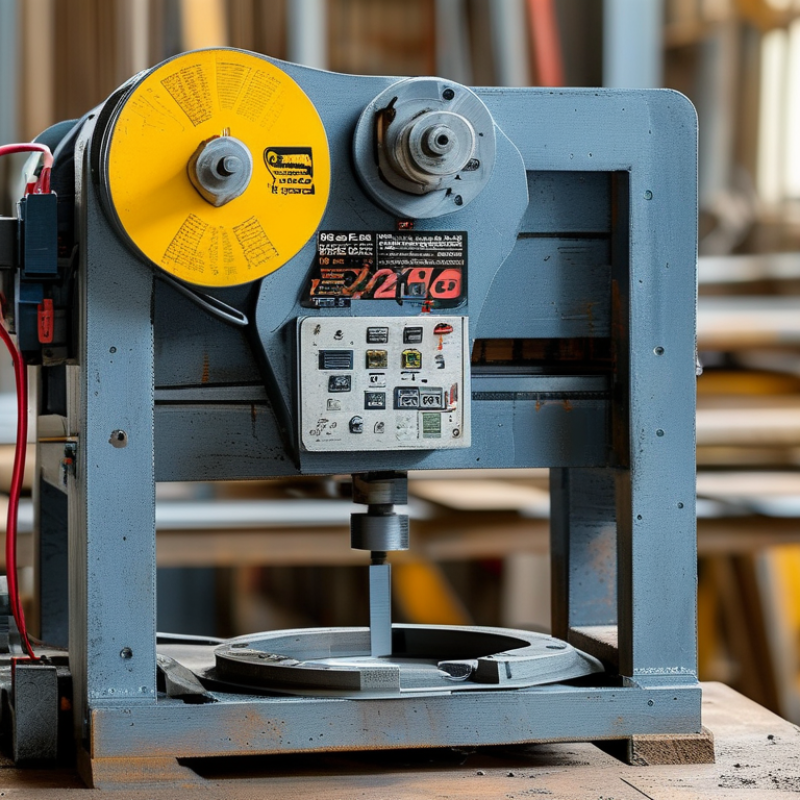
Rebar bending machines reshape steel bars into accurate hooks, stirrups, links, and circular cages. Core components include a drive motor, bending table, central pin, side rollers, and programmable controls. Buyers should match machine capacity with bar diameter, steel grade, bending radius, and daily production volume. A compact unit may suit residential footings. It can struggle with dense bridge reinforcement.
The Global Construction Futures report by Oxford Economics projects worldwide construction output will reach 13.3 trillion dollars by 2037.
This growth supports demand for faster reinforcement fabrication in bridges, tunnels, precast plants, and high-rise foundations. The International Energy Agency reported that buildings and construction consumed 32% of global energy in 2022. Accurate bending can reduce rework, scrap, and unnecessary transport. Small gains matter.
In industrial use, angle repeatability is critical.
A two-degree error can disturb cage alignment. Operators also need guarded moving parts, emergency stops, clear manuals, and planned maintenance. EN 1090-based fabrication practices can help control execution quality, but machine compliance alone does not guarantee safe reinforcement. That is an easy mistake.
Inspectors should verify test bends, calibration records, and actual cycle performance before purchase. A lower price may hide slower feeding or costly tooling changes. I would also question advertised capacity without material-specific testing. Supplier claims are useful, not final evidence.
2026 Best Rebar Bending Machine for Sale?
The main types of rebar bending machines suit different work conditions. Manual bending tools are compact, affordable, and useful for small repairs or occasional site work. They depend heavily on operator strength and consistency. Portable electric benders handle common bar sizes faster, while remaining easy to move between foundation areas. Check the rated bar diameter, bending angle range, and motor protection before buying.
Hydraulic rebar benders deliver higher force for thick steel bars. They are suitable for bridge components, heavy foundations, and repeated production work. Some models bend and cut with separate functions, reducing handling time. Automatic stirrup benders form rectangular or square links with consistent dimensions. These machines help workshops produce reinforcement cages efficiently, but they require accurate feeding and regular alignment checks. Small errors multiply quickly.
CNC rebar bending machines are designed for complex shapes and high-volume fabrication. Operators can program multiple angles and lengths, improving repeatability. In practical inspections, I look beyond advertised speed. The control system, emergency stop, tooling access, and after-sales maintenance matter just as much. A machine may claim broad capacity, yet perform poorly with irregularly straightened bar. That is an easy detail to miss. Consider available power, floor space, noise, training time, and local technical support. The cheapest option can become expensive when downtime interrupts a scheduled pour.
Typical specifications for commonly available rebar bending machine categories
| Machine Type | Typical Application | Typical Bar Diameter Capacity | Common Bending Angle | Approximate Output | Typical Motor Power | Approximate Machine Weight | Main Advantages | Best Buying Consideration |
|---|---|---|---|---|---|---|---|---|
| Portable Rebar Bender | On-site repair work, small construction projects, foundations, and reinforcing bars that cannot be transported to a workshop. | Usually 6–16 mm for standard steel bar; some heavy-duty models handle bars up to approximately 20–25 mm. | Commonly 0°–180°, depending on the selected stop or control system. | Approximately 15–30 bends per minute, depending on bar diameter and bend angle. | About 1.5–3 kW, usually with single-phase or compact three-phase power options. | Approximately 40–120 kg. | Easy to move, quick to set up, and suitable for locations without a dedicated fabrication shop. | Check carrying handles, power supply, bending die size, and whether the rated capacity applies to high-strength rebar. |
| Stirrup Bending Machine | Production of rectangular, square, U-shaped, and closed stirrups for beams, columns, walls, and cages. | Typically 6–16 mm for single bars; many industrial models can process larger diameters with reduced speed. | Usually programmable from 0°–180° with repeatable angle control. | Approximately 20–40 bends per minute; output depends on the number of bends per stirrup. | About 3–7.5 kW. | Approximately 250–900 kg. | Consistent stirrup dimensions, fast repetitive production, and reduced manual measuring. | Look for automatic length stops, programmable bend sequences, adjustable rollers, and compatible stirrup dimensions. |
| Automatic Rebar Bending Center | High-volume production of stirrups, links, open shapes, closed shapes, and multi-bend reinforcing components. | Commonly 6–16 mm for high-speed processing; larger ranges are available for specific production requirements. | Computer-controlled angles, commonly up to 180° or more depending on the configuration. | Approximately 30–60 bends per minute or several hundred shaped pieces per hour, depending on product geometry. | About 7.5–30 kW, including feeding and auxiliary systems. | Approximately 1,500–6,000 kg. | High repeatability, automatic feeding, programmable shapes, and lower labor requirements for large production volumes. | Evaluate software functions, rebar straightness requirements, tooling changeover time, service access, and floor-space needs. |
| Heavy-Duty Rebar Bending Machine | Large-diameter reinforcement for bridges, precast elements, industrial buildings, tunnels, and heavy structural work. | Typically 16–32 mm; specialized configurations may process bars above 32 mm. | Usually 0°–180°, with mechanical or digital angle stops. | Approximately 8–20 bends per minute, depending on bar size, steel grade, and angle. | About 5.5–15 kW. | Approximately 600–2,000 kg. | High torque, rigid construction, stable bending accuracy, and suitability for large reinforcement bars. | Confirm maximum bending moment, die compatibility, foundation requirements, and the machine’s capacity for high-yield-strength steel. |
| CNC Rebar Bending Machine | Custom bar shapes, complex reinforcement schedules, prefabricated cages, and projects requiring digital production records. | Often 6–25 mm, depending on whether the machine uses single-bar or multi-bar processing. | Programmable multi-angle bending, commonly covering 0°–180° per bend. | Approximately 15–45 bends per minute, depending on shape complexity and handling time. | About 5.5–22 kW. | Approximately 800–3,500 kg. | Accurate repeat production, recipe storage, reduced setup errors, and compatibility with digital bending schedules. | Check controller usability, file-import capability, backup procedures, calibration functions, and operator training requirements. |
| Multi-Function Rebar Bender and Cutter | Small and medium fabrication yards that need both bar cutting and bending from one equipment setup. | Commonly 6–25 mm for bending; cutting capacity varies by machine and steel grade. | Typically 0°–180° for bending operations. | Approximately 10–25 bends per minute, with separate cutting-cycle limits. | About 3–7.5 kW. | Approximately 250–800 kg. | Saves floor space, combines two basic operations, and can reduce equipment investment for smaller workshops. | Compare the independent capacities of the cutting and bending functions rather than relying only on the combined rating. |
| Spiral and Ring Bending Machine | Circular rings, spiral reinforcement, circular columns, piles, tanks, manholes, and curved structural components. | Typically 6–16 mm for fast spiral production; some machines handle bars up to approximately 20–25 mm. | Continuous radius control or programmable ring and spiral diameters. | Approximately 10–30 m of shaped bar per minute, depending on diameter, pitch, and bar size. | About 3–15 kW. | Approximately 500–2,500 kg. | Produces consistent circular geometry and can create continuous spirals with adjustable pitch. | Verify minimum and maximum bending radius, spiral pitch range, coil or straight-bar feeding method, and changeover tooling. |
| Three-Roller Rebar Bending Machine | Large-radius arcs, circular segments, curved beams, and reinforcement requiring gradual forming rather than sharp bends. | Commonly 10–32 mm, with capacity determined by roller diameter, spacing, and drive torque. | Continuous radius adjustment rather than fixed-angle bending. | Approximately 3–12 m of curved bar per minute. | About 4–15 kW. | Approximately 500–2,500 kg. | Suitable for smooth curves and adjustable radii with relatively low risk of creating sharp kinks. | Check minimum bend radius, roller adjustment method, straightness of the finished curve, and available roller sets. |
Specification note: Capacity, speed, power, and weight are representative ranges for equipment commonly offered for sale. Actual performance depends on rebar grade, bar diameter, bending radius, bend sequence, tooling, electrical supply, and the machine configuration.
Choosing the 2026 best rebar bending machine for sale requires more than checking motor power. Start with the workable bar diameter range and steel grade. A machine should bend the sizes used on your projects without constant overload. Check bending angle accuracy, repeatability, and maximum production speed. For crowded reinforcement cages, a compact table and clear rotation markings can save valuable setup time.
In field testing, I watch the first ten bends closely. The machine should return accurately to 90, 135, and 180 degrees. A practical target is angle repeatability within about one degree, although results depend on bar quality and operator settings. Electric drive systems often provide cleaner control, while hydraulic systems may handle demanding cycles well. Review rated duty cycle, motor protection, emergency stopping, and guard access before comparing prices.
Control quality also matters. A simple programmable panel can store common bend sequences and reduce manual errors. Look for visible displays, password protection, and easy calibration. Noise, footprint, lifting points, and spare-part availability affect daily ownership costs. I once focused too heavily on maximum speed and underestimated setup time. That was a mistake. A slower machine with stable feeding may produce more usable bends each shift. Measure actual output, not only catalog claims. Ask for test bends using your own bar sizes, because advertised performance can change under real site conditions.
2026 Best Rebar Bending Machine for Sale? How to Choose the Best Rebar Bending Machine for Your Projects
Choosing the best rebar bending machine starts with your actual workload, not a showroom specification. The World Steel Association reported 1.89 billion tonnes of crude steel production in 2023, showing the enormous scale of steel use worldwide. Yet your project may need only consistent bending for 10, 16, and 20 mm bars. Check the machine’s tested diameter range, bending angle accuracy, cycle speed, and daily duty rating. A fast machine is not useful if it overheats before lunch.
Look closely at the worksite. Measure available floor space, confirm three-phase power, and inspect the bar-feeding path for mud, dust, and standing water. Guarding, emergency stops, foot controls, and clear operating instructions matter because small handling errors can cause serious injuries. Global Infrastructure Hub’s Global Infrastructure Outlook estimates about $94 trillion in infrastructure investment is needed through 2040. That pressure can encourage rushed purchasing, but spare-part access and technician response often protect productivity better than a slightly higher top speed.
Ask the seller for a sample bend using your own rebar. Check the finished angle with a gauge, then repeat it after several cycles. Do not trust one perfect demonstration. Also calculate setup time, electricity use, tooling replacement, and operator training. A machine that saves ten seconds per bend may still lose money when maintenance is difficult. I would leave room for uncertainty; site conditions rarely match the brochure.
2026 Best Rebar Bending Machine for Sale?
In 2026, rebar bending machine prices may range from about $2,000 to $15,000. Capacity, motor power, automation, and included tooling affect the final cost. Always request a detailed quotation. A low price can hide weak gears, limited dies, or expensive shipping. That mistake becomes costly on a busy construction site.
Safety should guide the purchase. Look for a fixed guard, emergency stop button, overload protection, and stable foot controls. Clear angle settings help operators make repeatable bends. A strong frame should remain steady when bending thick steel. Ask about noise, maintenance access, spare parts, and operator training. Regional electrical requirements also need checking. Specifications can look impressive, yet daily usability matters more.
Tips: Test the machine with your actual rebar sizes before paying. Measure bend accuracy after repeated cycles. Check whether the supplier provides manuals and practical support. Keep enough workspace around the rotating table. Inspect cables, switches, and guards regularly. I would not choose the cheapest model automatically. However, buying excessive capacity may waste money and floor space. A realistic production estimate is better than a rushed decision.
The chart compares typical 2026 USD purchase-price ranges for common rebar bending machine categories. Actual prices vary according to bending diameter, automation level, motor power, tooling, shipping, taxes, and local standards.
Indicative market ranges: USD, equipment price only, excluding freight, installation, tax, and optional tooling. Verify specifications and quotations before purchase.
Office: (281) 855-2218
Copyright © 2025 Telco Intercontinental Corp. All rights reserved. Privacy Policy | Legal Disclaimer
Telco®, TelcoMotion®, and TelcoGreen® are registered trademarks of Telco Intercontinental Corp.